Bathrooms Built to Handle Moisture
Bathroom Remodeling in Chassell for spaces showing water damage, outdated fixtures, or failing moisture barriers
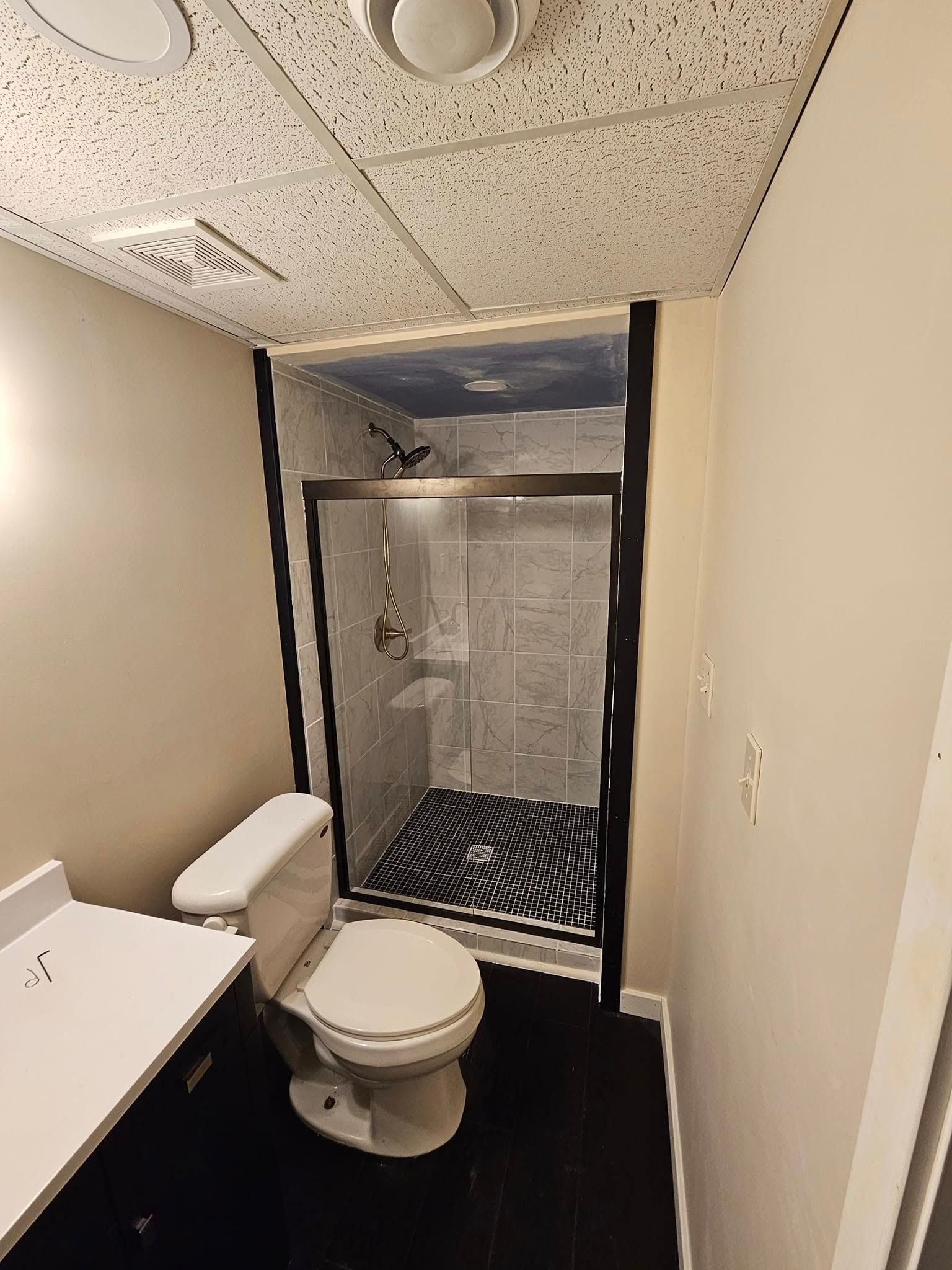
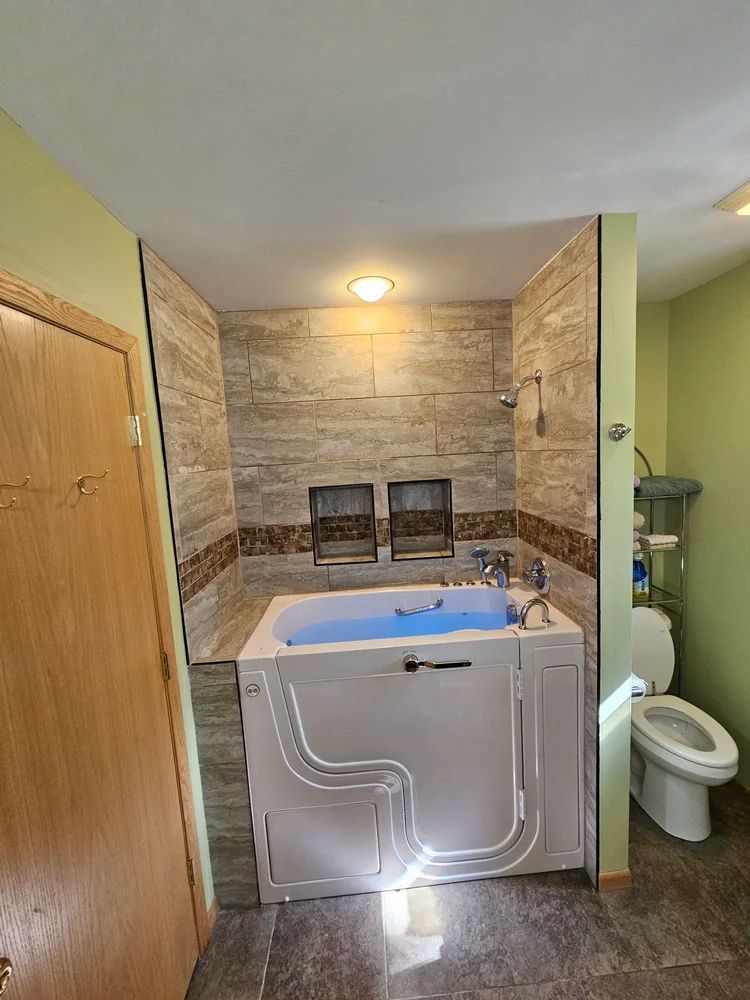
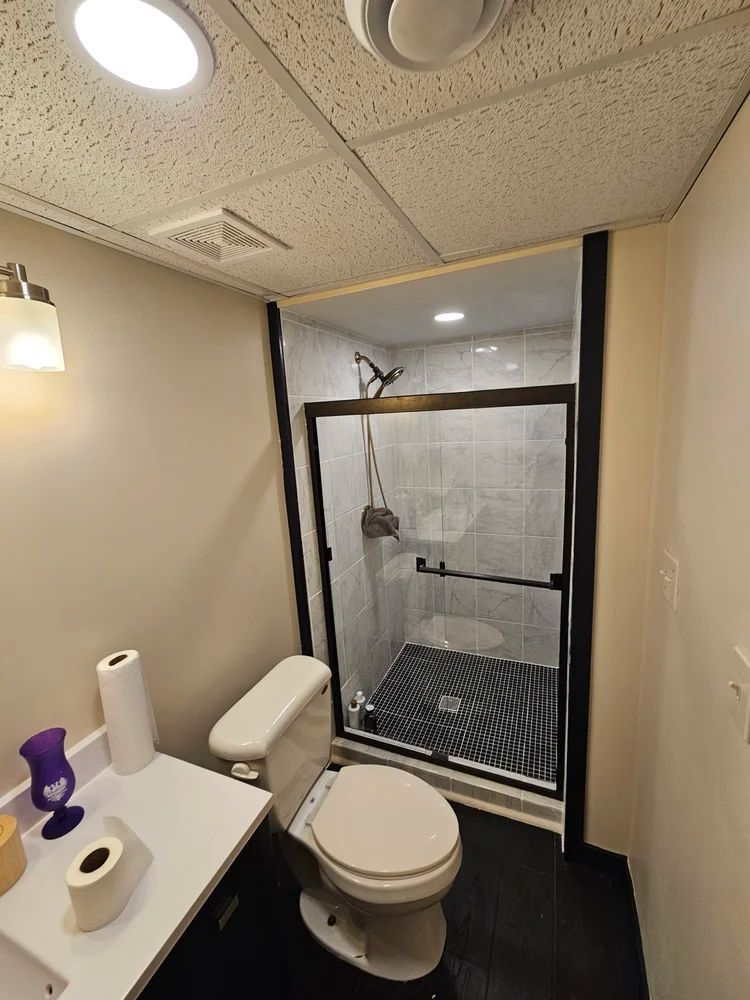
Modern bathroom upgrades in Chassell address both visible wear and hidden moisture problems that compromise walls, subfloors, and framing over time. The work involves careful installation of showers, tubs, vanities, tile, and flooring using techniques that prevent water from reaching vulnerable materials behind finished surfaces. Pace Contracting approaches bathroom renovations with attention to waterproofing details often skipped in quick remodels—properly sloped shower pans that drain completely, cement board installed behind all wet areas, and sealed transitions where tile meets tubs or shower bases.
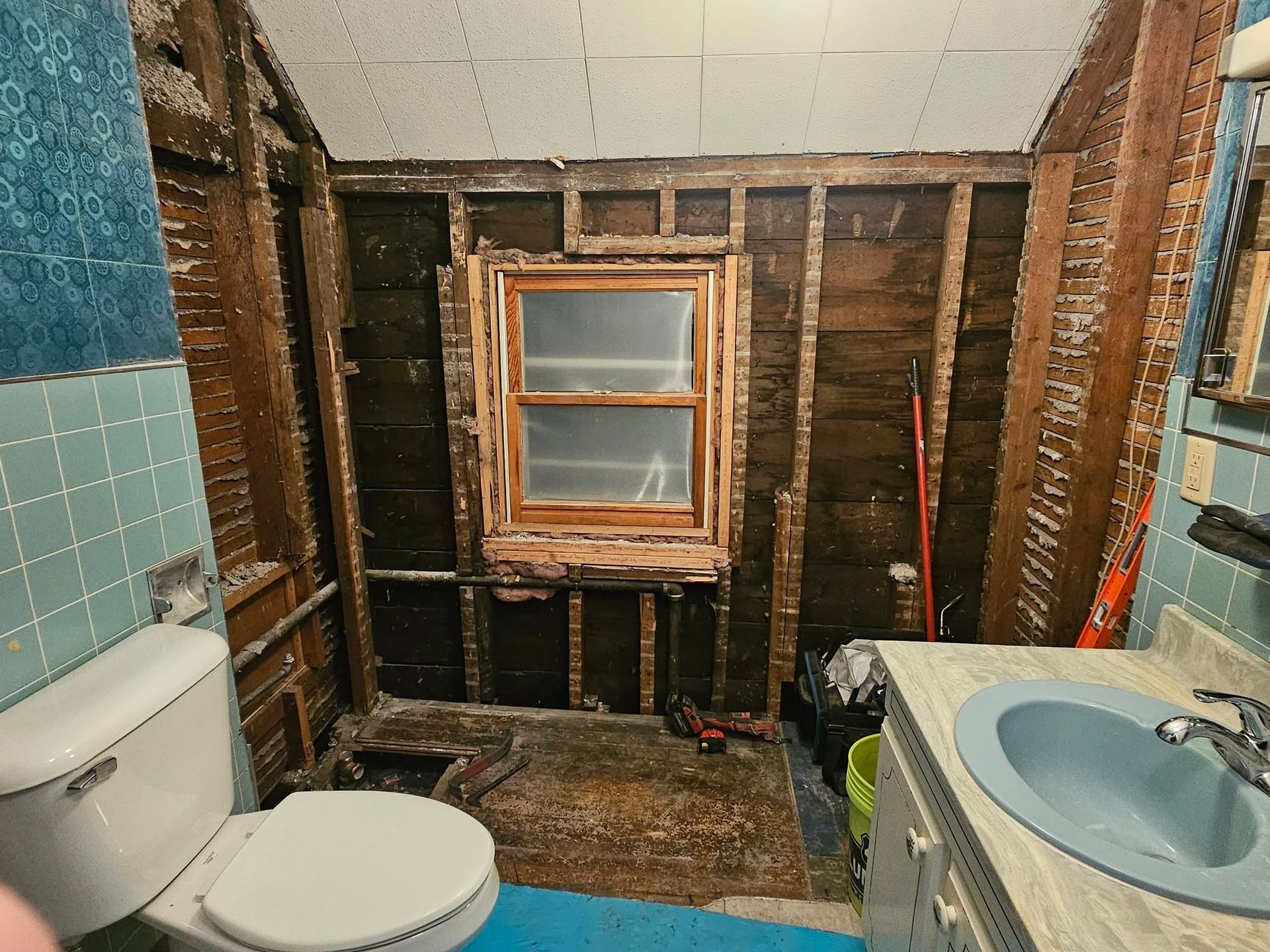
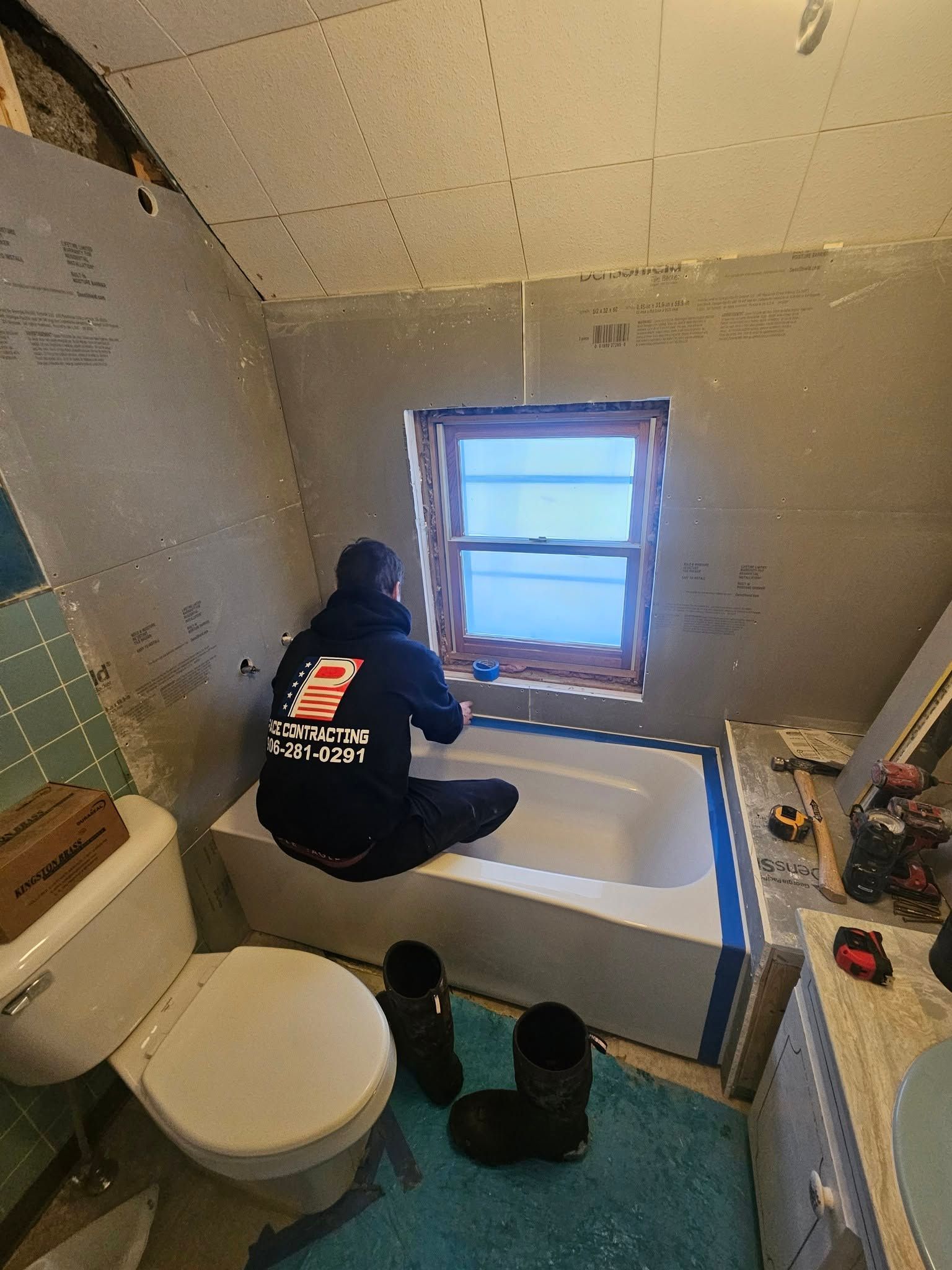
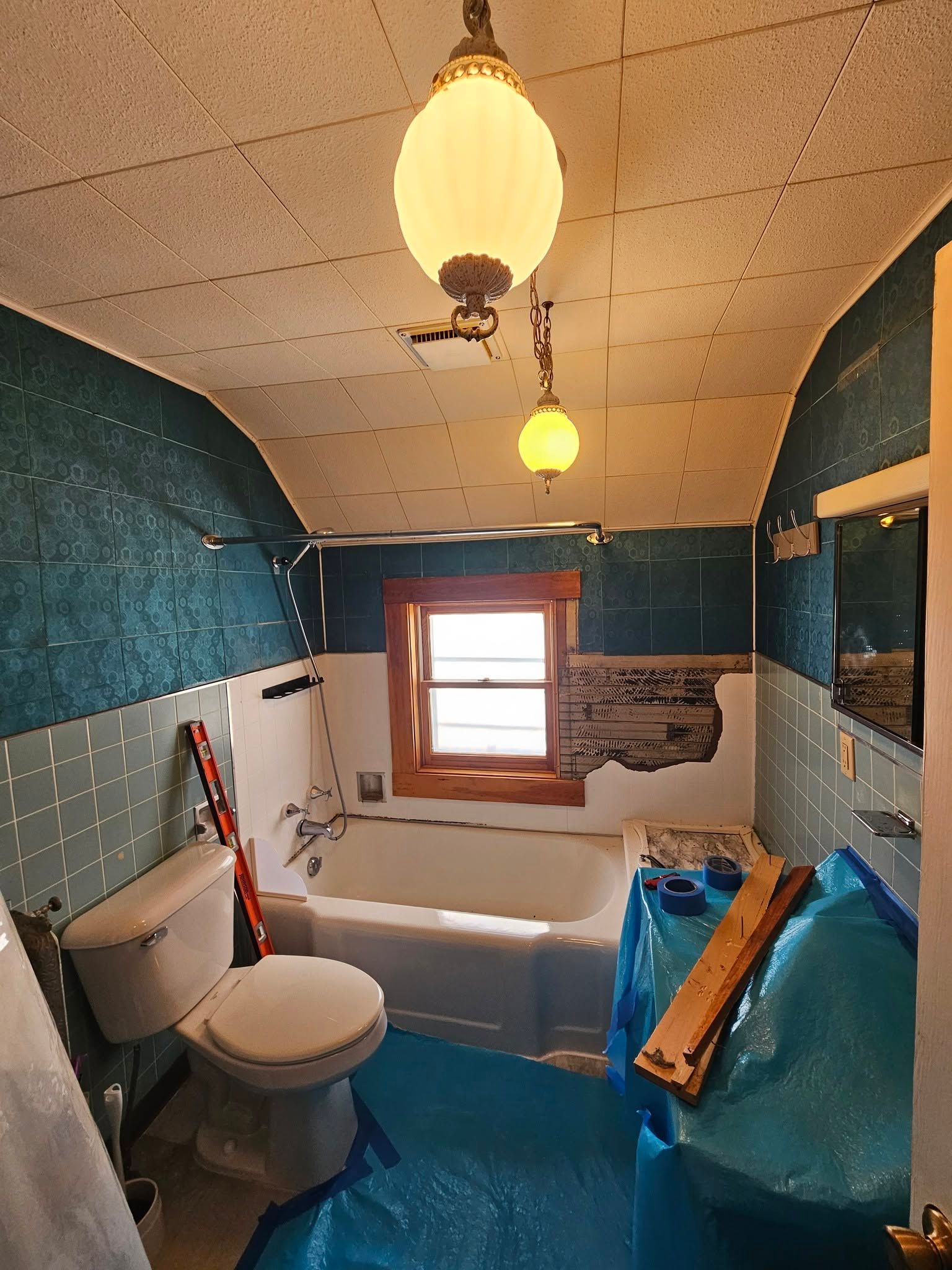
The renovation process begins by removing old fixtures and finishes to assess the condition of framing and subfloor beneath. Drywall damaged by years of steam exposure gets replaced with moisture-resistant materials, and any wood rot discovered in framing or subflooring is repaired before new tile or flooring goes down. Finish carpentry provides clean transitions between tile and drywall, and trim around vanities and tubs seals gaps where water could migrate into wall cavities.
Schedule a free bathroom remodeling consultation to evaluate moisture protection and discuss fixture upgrades that improve daily use.
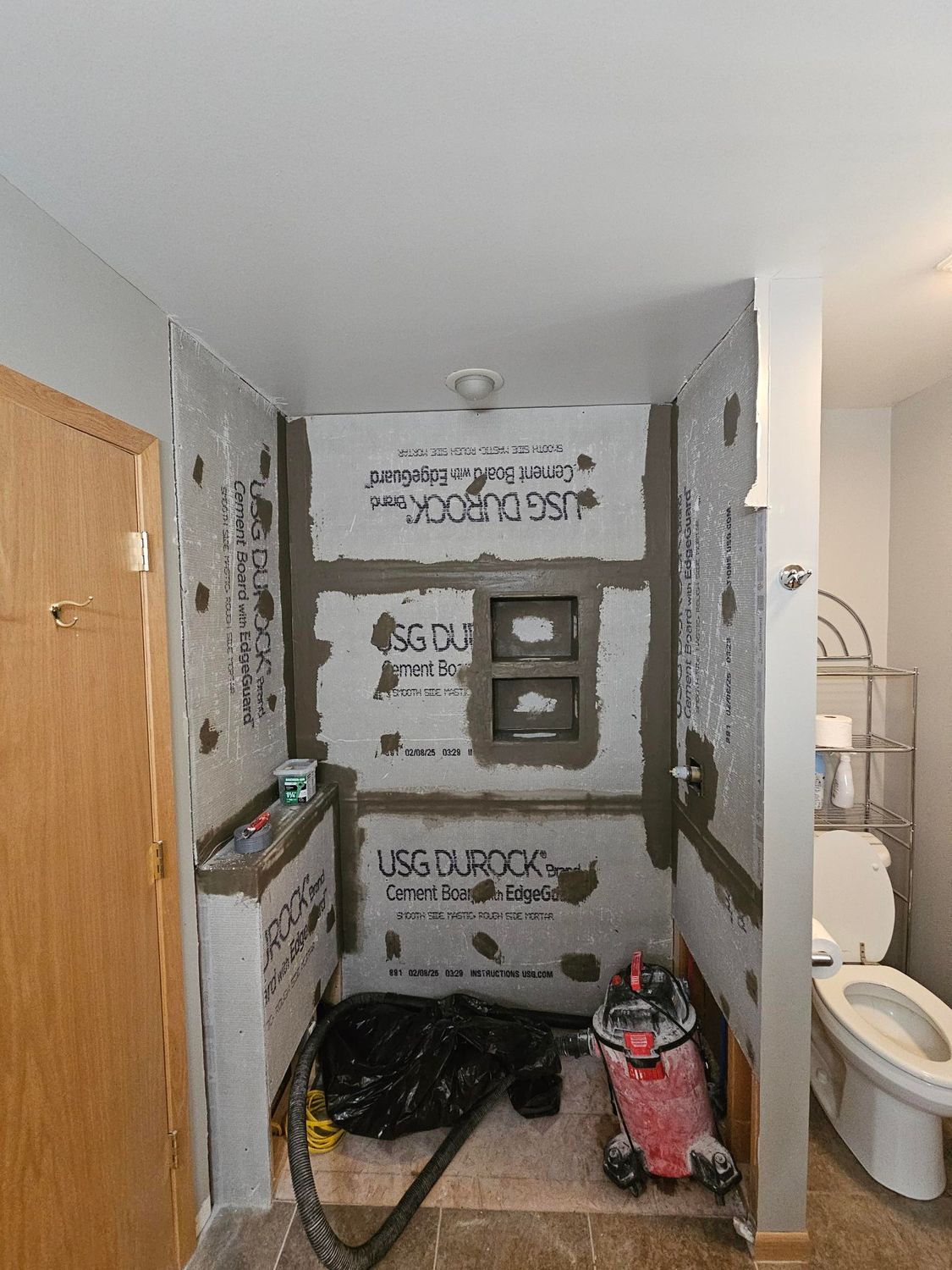
Bathroom construction starts with waterproofing layers applied before any tile or finish material is visible. Cement board replaces standard drywall in wet areas, waterproof membranes seal seams and corners where walls meet tubs or shower bases, and subfloor repairs address any wood that has softened from prolonged moisture exposure. Tile installation includes proper thinset coverage on the back of each tile to eliminate voids where water can collect, and grout lines are sealed to reduce absorption.
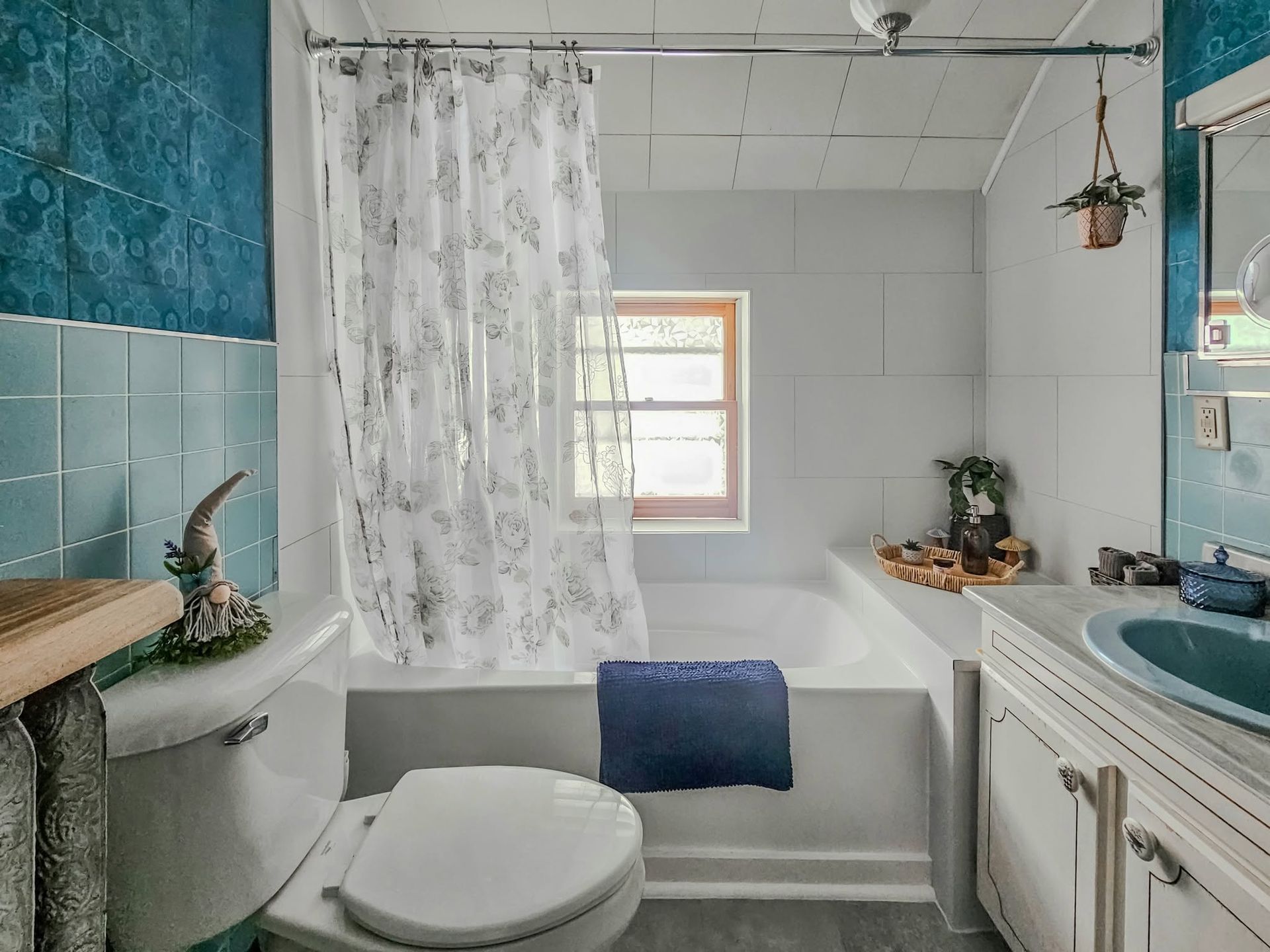
Once construction is complete, you'll notice fixtures that operate smoothly without leaks, tile surfaces that remain firmly attached to walls, and flooring that doesn't feel spongy near the tub or toilet. Vanities sit level so cabinet doors close properly, mirrors and lighting are positioned for functional use rather than generic placement, and ventilation fans exhaust moisture outside rather than into attic spaces where it condenses on cold surfaces during Michigan winters.
Every bathroom project includes durable materials selected to withstand daily moisture exposure and temperature swings. The goal is construction that holds up to years of showers, baths, and humidity without callbacks for loose tile, peeling paint, or soft spots in flooring—problems that indicate water reached areas it shouldn't.
Questions Homeowners Ask About Bathroom Renovations
Bathroom remodeling requires careful moisture management and precise installation to prevent damage behind finished surfaces. These questions address how proper construction differs from shortcuts that lead to failures.
What causes soft spots in bathroom floors?
Water seeping through grout lines, around toilet bases, or from tub overflows saturates subfloor materials over time. Proper installation includes waterproof barriers beneath tile and sealed transitions at every fixture to prevent moisture from reaching wood subfloors.
Why does tile fall off shower walls in some bathrooms?
Inadequate thinset coverage, missing waterproof membranes behind cement board, or tile installed over standard drywall in wet areas allow water to degrade the bond between tile and substrate. Full thinset coverage and proper backer materials prevent this failure.
How does ventilation affect bathroom durability in Chassell?
Without adequate ventilation, steam condenses on walls, ceilings, and inside wall cavities where it promotes mold growth and wood rot. Properly sized exhaust fans vented to the exterior remove moisture before it damages materials, which is critical in Michigan's humid summers and cold winters.
What should homeowners prioritize when selecting bathroom materials?
Porcelain tile resists moisture absorption better than ceramic, waterproof vinyl plank flooring performs well in bathrooms where flooding occasionally occurs, and quartz or solid surface vanity tops don't require sealing like natural stone. Durability matters more than appearance in spaces with constant moisture exposure.
How long does a complete bathroom remodel take?
Full renovations involving fixture replacement, tile work, flooring, and vanity installation typically require one to two weeks depending on whether structural repairs or plumbing modifications are needed once old materials are removed.
Pace Contracting installs every bathroom component with careful attention to moisture barriers and waterproofing details that prevent hidden damage. Request a free estimate to assess your current bathroom condition and discuss upgrades that combine improved appearance with long-term durability.