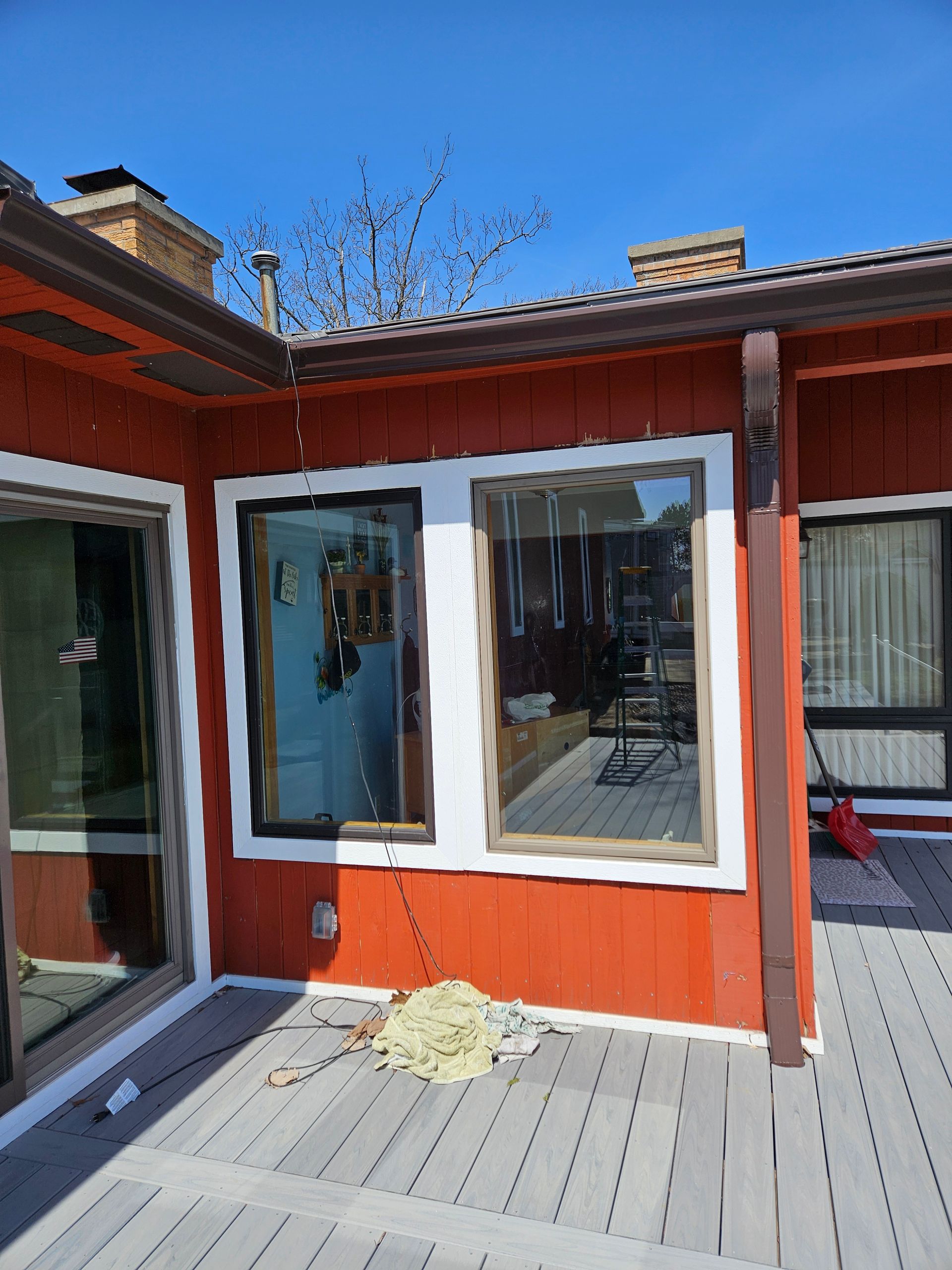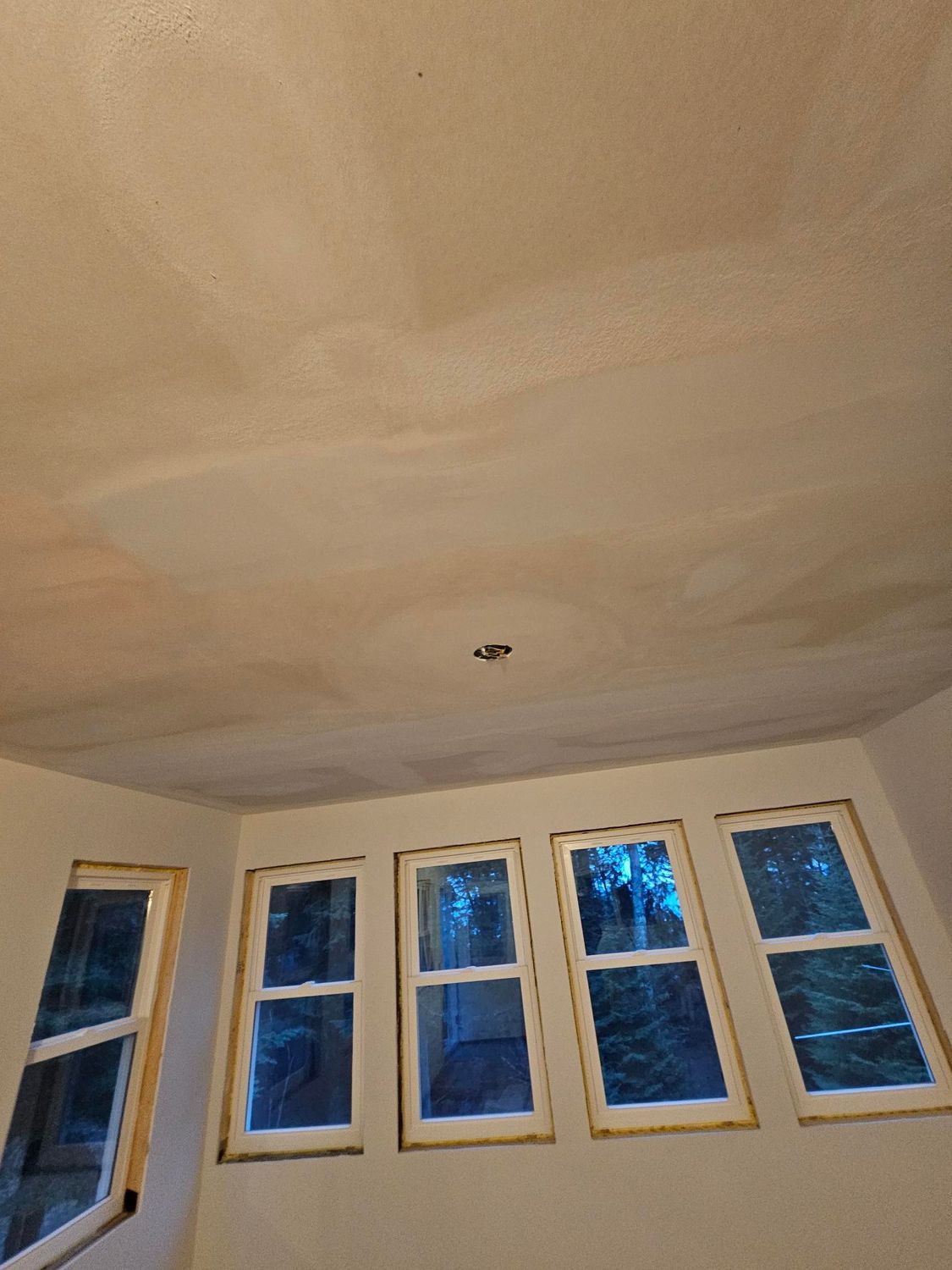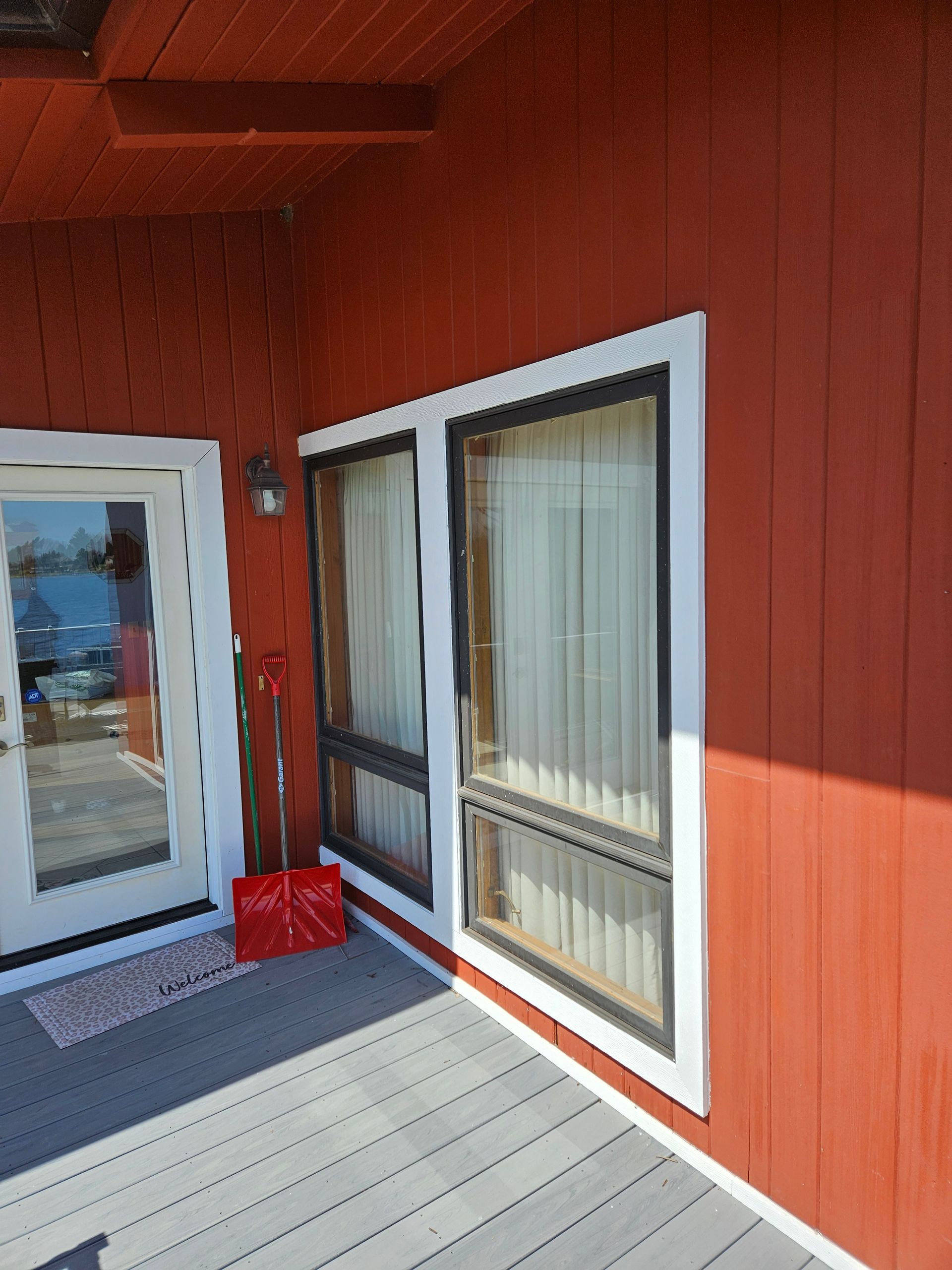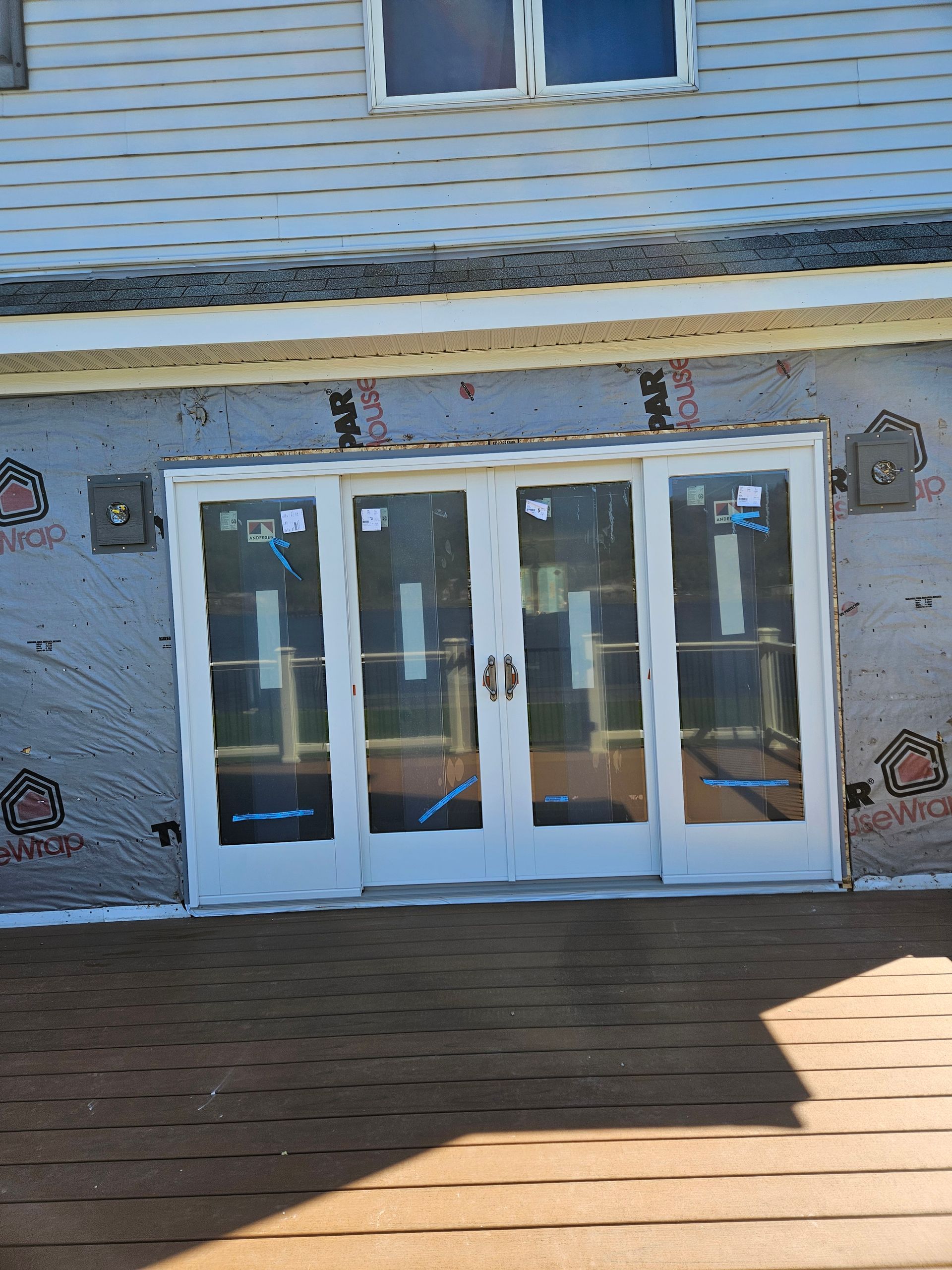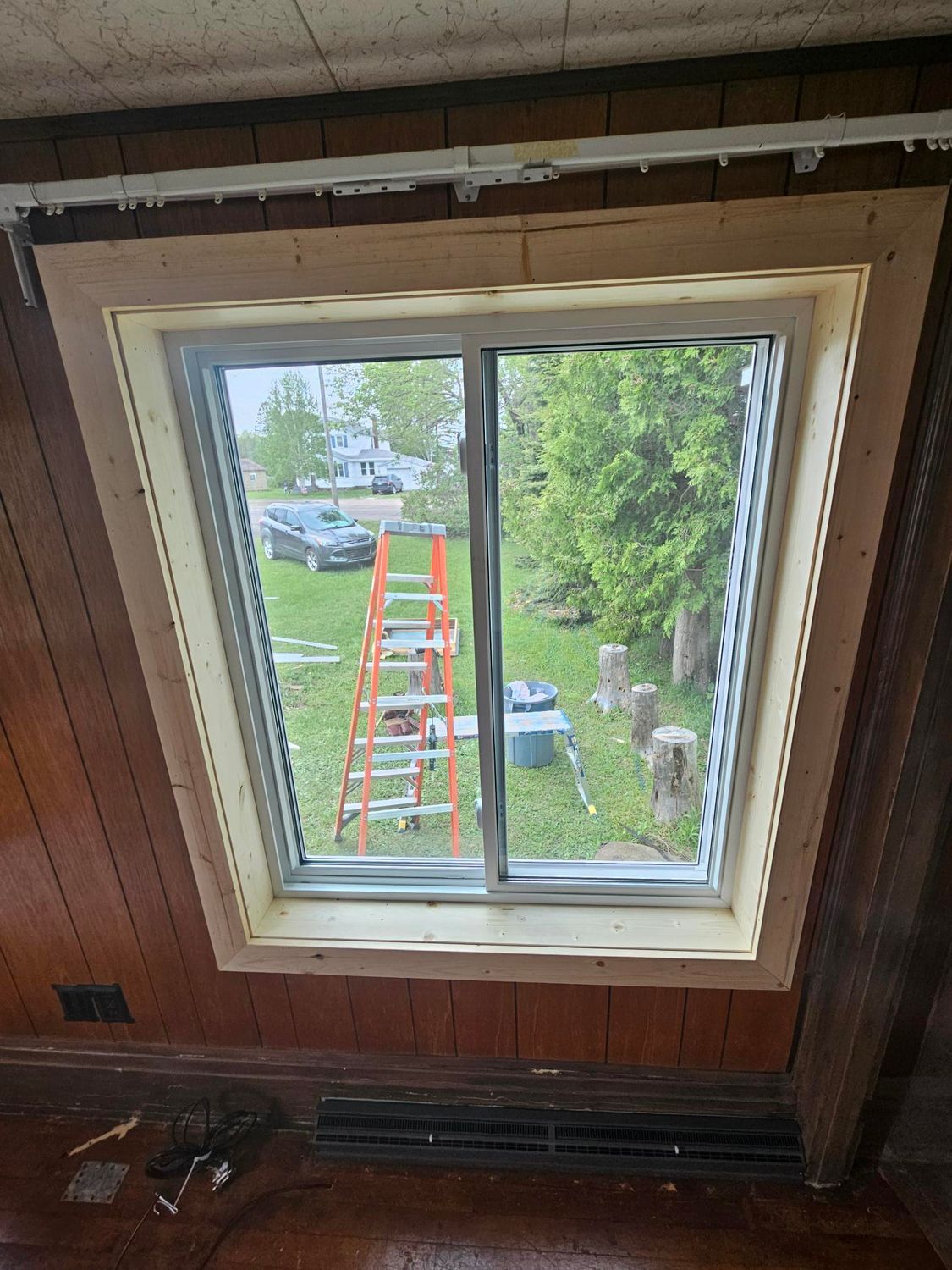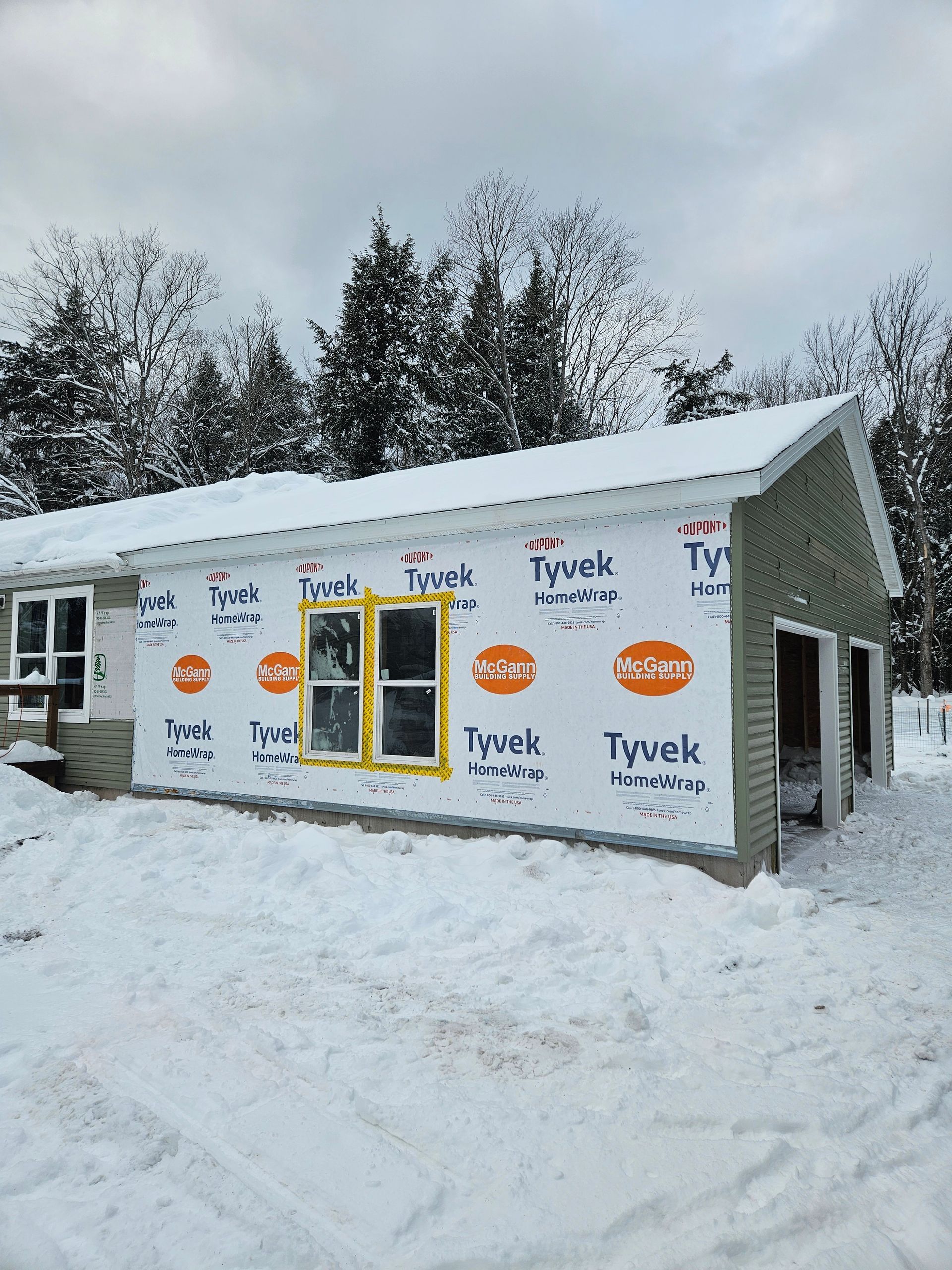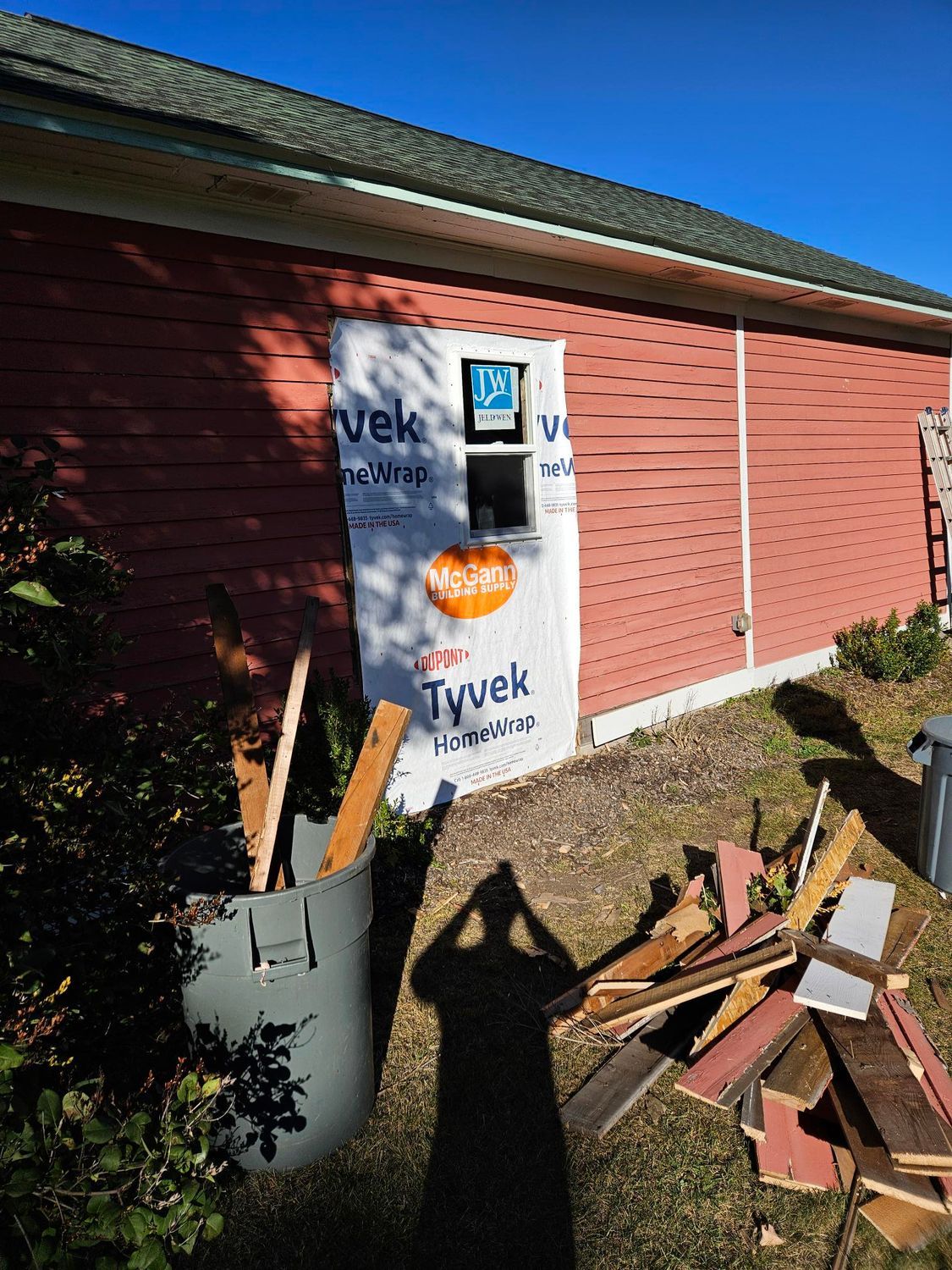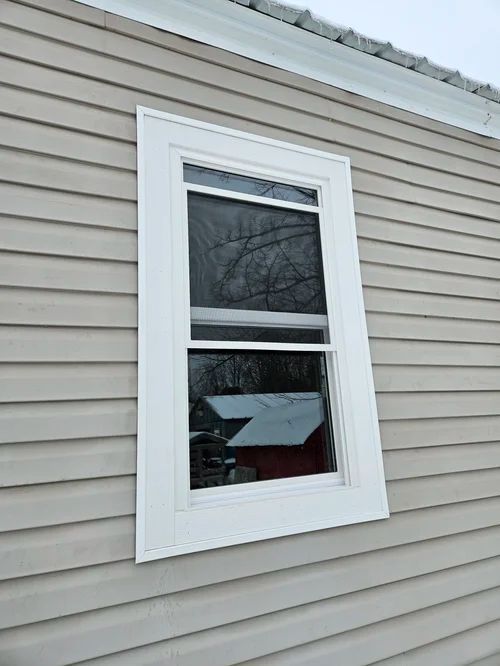
Windows Installed to Seal and Insulate
Window Installation in Chassell for homes needing improved energy efficiency, moisture protection, or replacement of failing units
Professional window installation involves more than setting a unit in an opening and caulking the perimeter. Proper installation includes waterproofing with flashing tape and membranes, insulating gaps between the window frame and rough opening, leveling and shimming so the unit operates smoothly, and sealing air pathways that allow drafts and moisture infiltration. Pace Contracting installs vinyl, composite, wood-clad, replacement, and new construction windows in Chassell using techniques that protect against water intrusion and air leakage—two common causes of window failures and framing rot in Michigan homes.
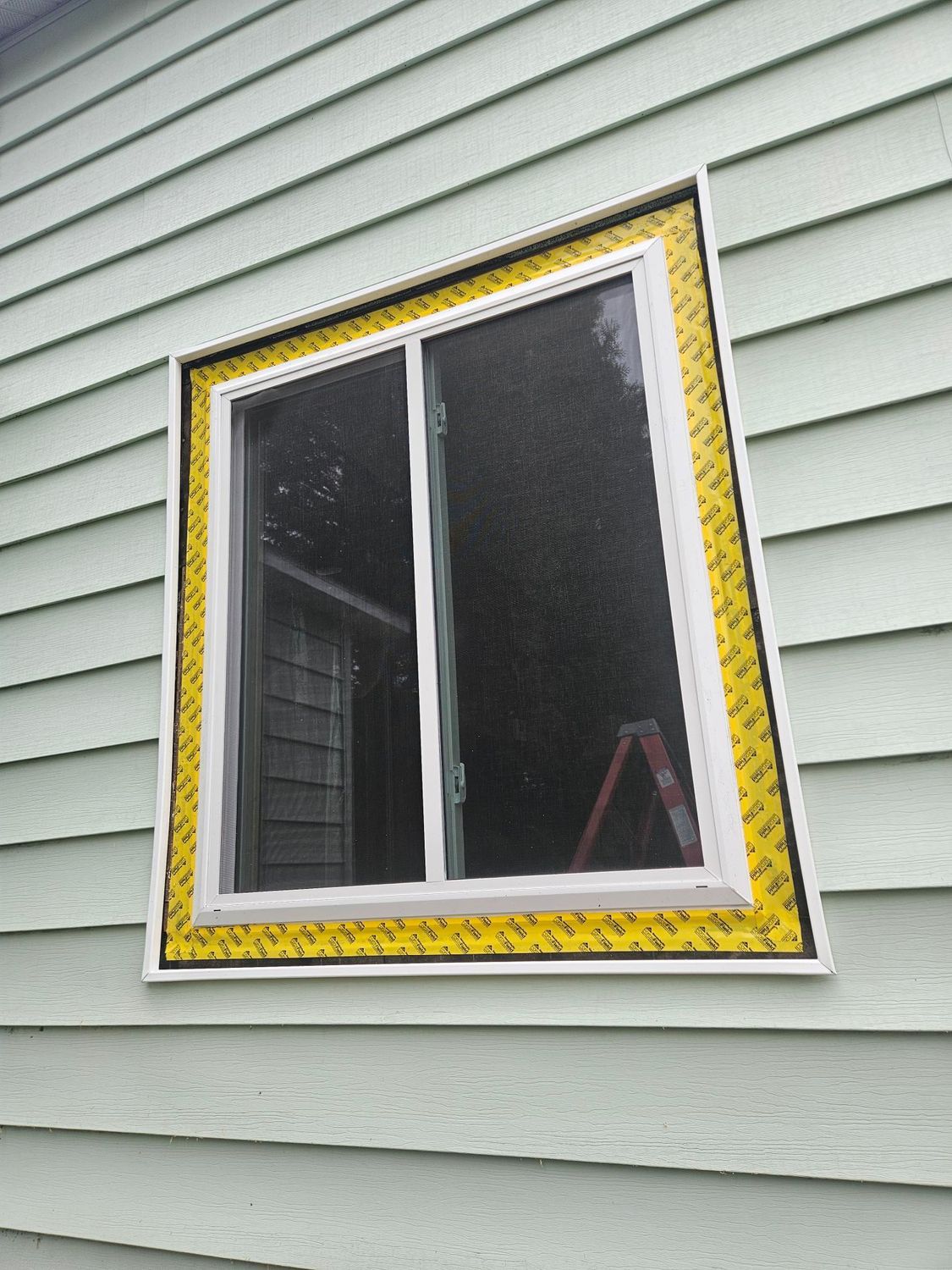
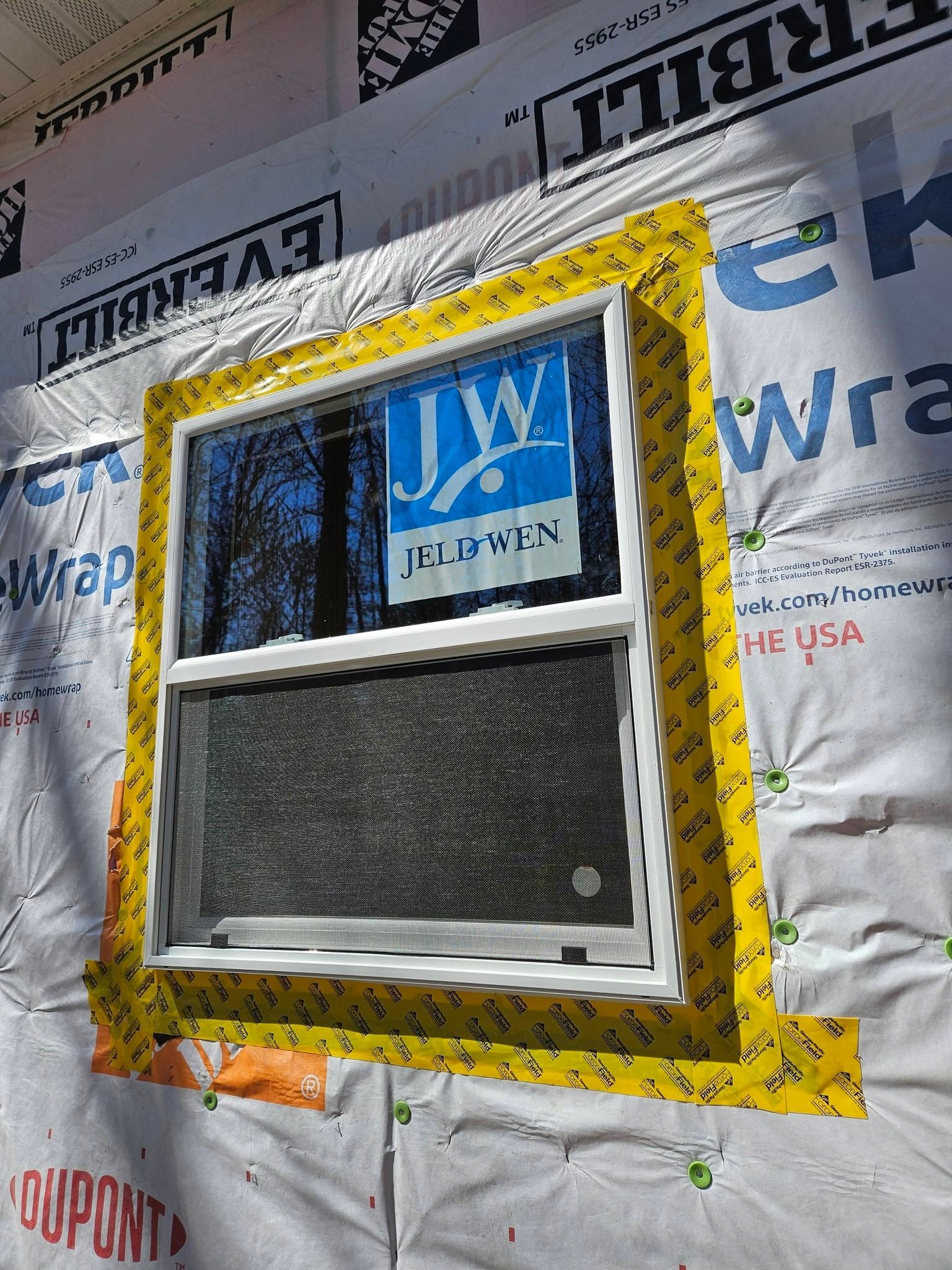
The installation process begins by preparing the rough opening with flashing applied in a layered sequence so water drains outward rather than into wall cavities. Windows are leveled precisely so sashes slide without binding and locks engage fully, and low-expansion foam fills gaps without bowing the frame. Exterior trim is caulked at seams and flashed at the head to direct water over the window rather than behind it.
Schedule a free window consultation to assess your current units and discuss installation methods that improve both performance and longevity.
Windows must be installed plumb, level, and square or they bind when opening, allow air leakage at corners, and stress seals prematurely. Shims placed at specific intervals support the frame without bowing it, and fasteners are driven through shims into solid framing rather than pulling the window out of square. Flashing tape applied before the window is set and lapped correctly after installation creates a continuous drainage plane that directs water downward across the exterior surface rather than allowing it to seep into the wall assembly.
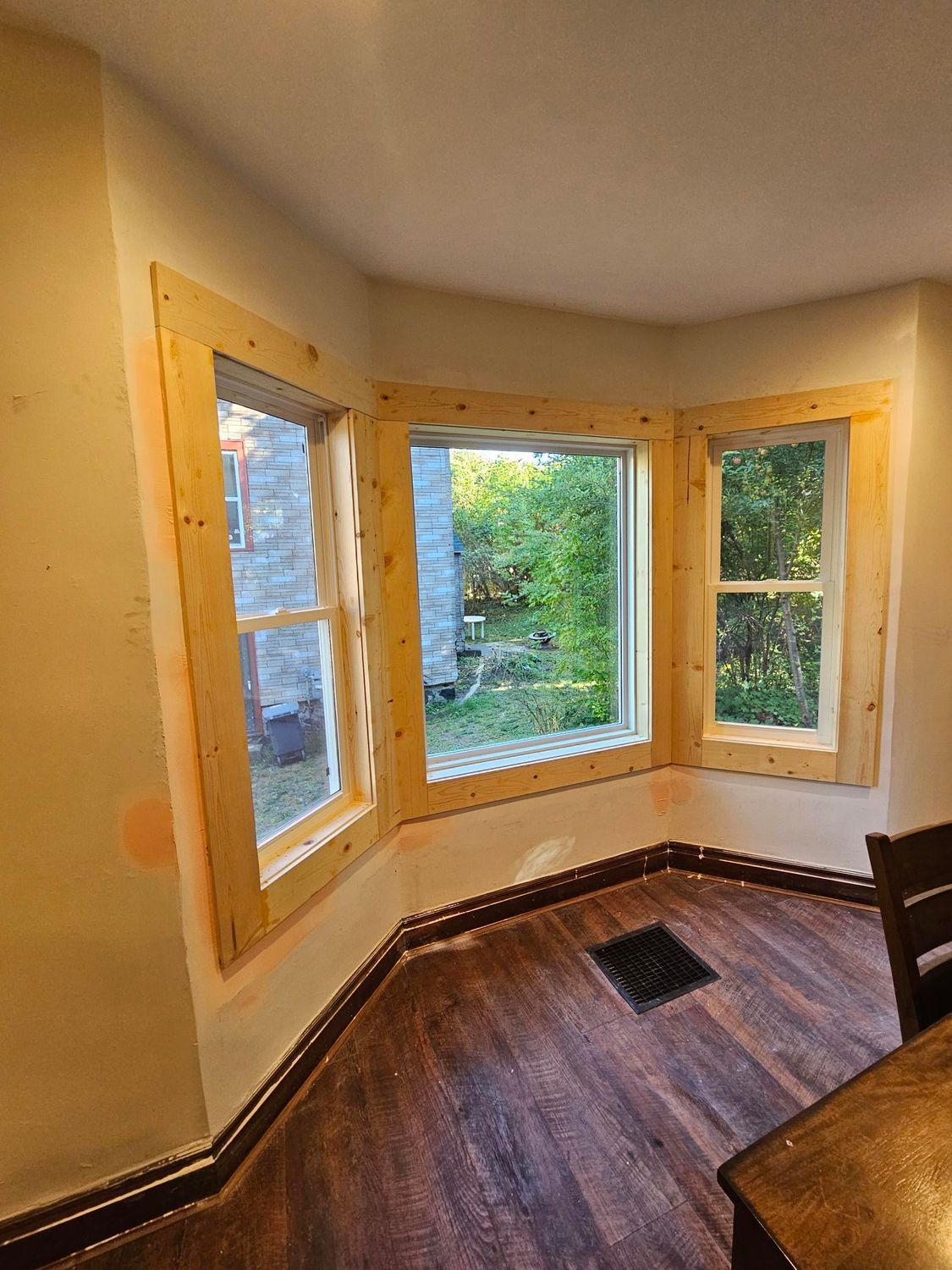
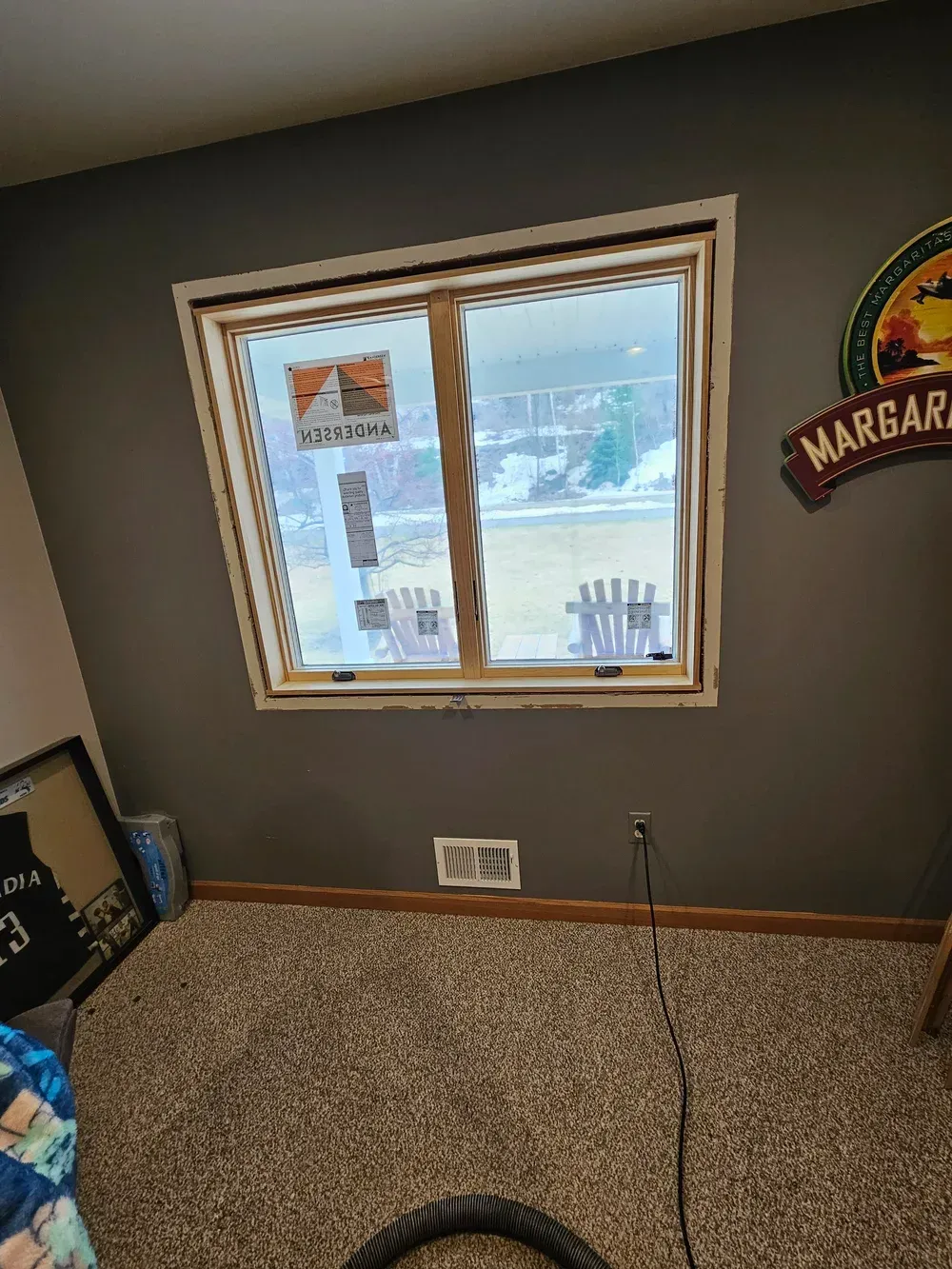
After installation, windows open and close smoothly without forcing, locks secure without gaps visible between sash and frame, and drafts no longer occur around the perimeter during windy days. Condensation between glass panes—a sign of seal failure—stops when old units are replaced, and interior trim sits flush against drywall without gaps where air infiltrates. Energy efficiency improves as heated or cooled air stays inside rather than escaping through leaky seals and poorly insulated gaps.
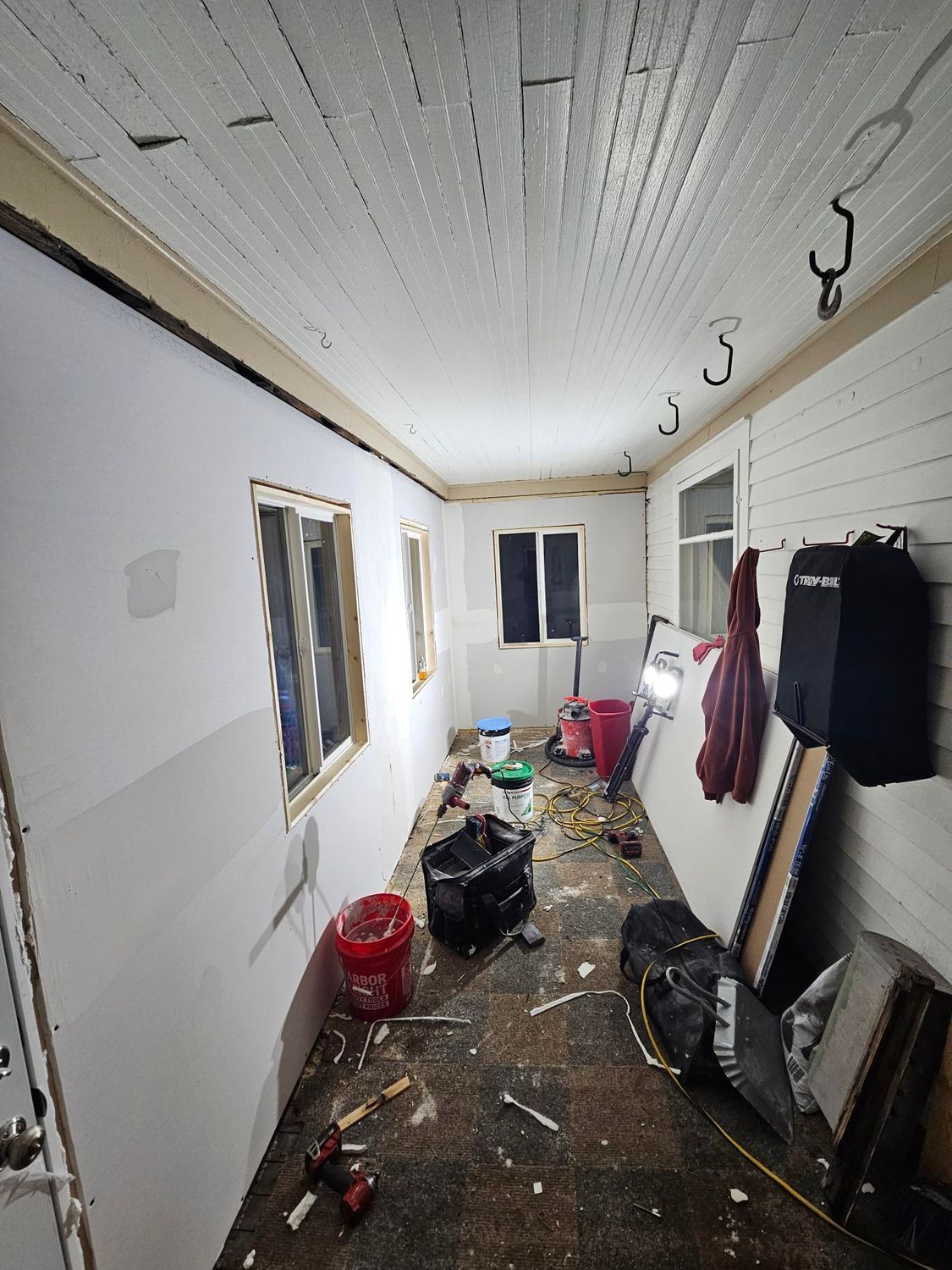
Attention to hidden installation details separates windows that perform for decades from those that leak, rot surrounding framing, or require premature replacement. The work includes solutions for both newer homes with standard openings and older homes where out-of-square rough openings require custom shimming and trim to achieve proper fit.
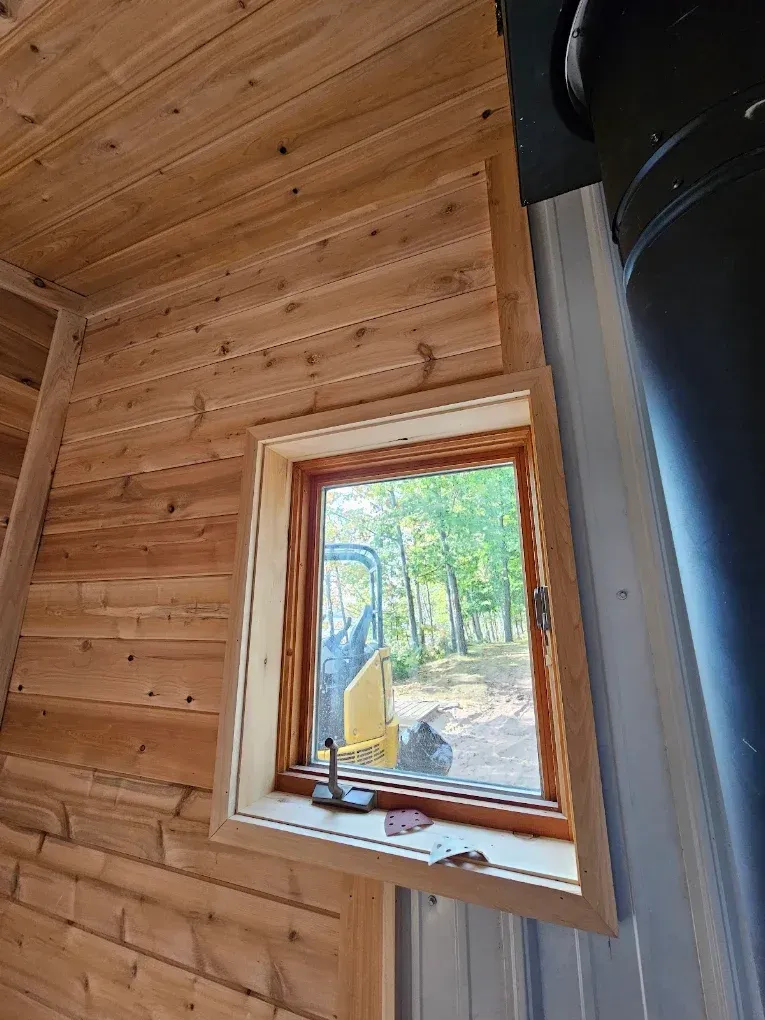
Questions Homeowners Ask Before Window Projects
Window installation directly affects energy costs, moisture protection, and how long the units last before seals fail. These questions address installation practices that determine performance.
What causes windows to become difficult to open over time?
Frames installed out of level or bowed by over-tightened fasteners create binding as sashes slide. Windows must be shimmed carefully and checked for square before fasteners are driven, or operational problems develop within months of installation.
How does flashing prevent water damage around windows?
Flashing tape applied at the sill before the window is set and lapped up the sides after installation creates a drainage path that directs water over the exterior cladding. Without this layered flashing sequence, water enters the wall cavity during wind-driven rain and snowmelt common in Chassell winters.
Why do some windows develop condensation between glass panes?
Seal failure allows moisture into the space between panes where it condenses and obscures visibility. Quality windows use durable seals and proper gas fills, but even the best units fail prematurely if installation stresses the frame by over-shimming or fastening unevenly.
What insulation method works best in window rough openings?
Low-expansion foam fills gaps without bowing the frame, which maintains proper operation and prevents seal stress. Standard expanding foam exerts too much pressure and distorts the window, causing operational problems and premature seal failure.
How long does window replacement take?
Replacing windows in an average home typically requires one to two days depending on the number of units, whether trim replacement is needed, and if rough openings require repair where rot or previous installation failures damaged framing.
Pace Contracting installs every window with careful attention to leveling, flashing, insulation, and sealing techniques that prevent the moisture infiltration and air leakage common when these details are skipped. Request a free estimate to evaluate your current windows and discuss installation practices that extend unit lifespan and improve energy performance.