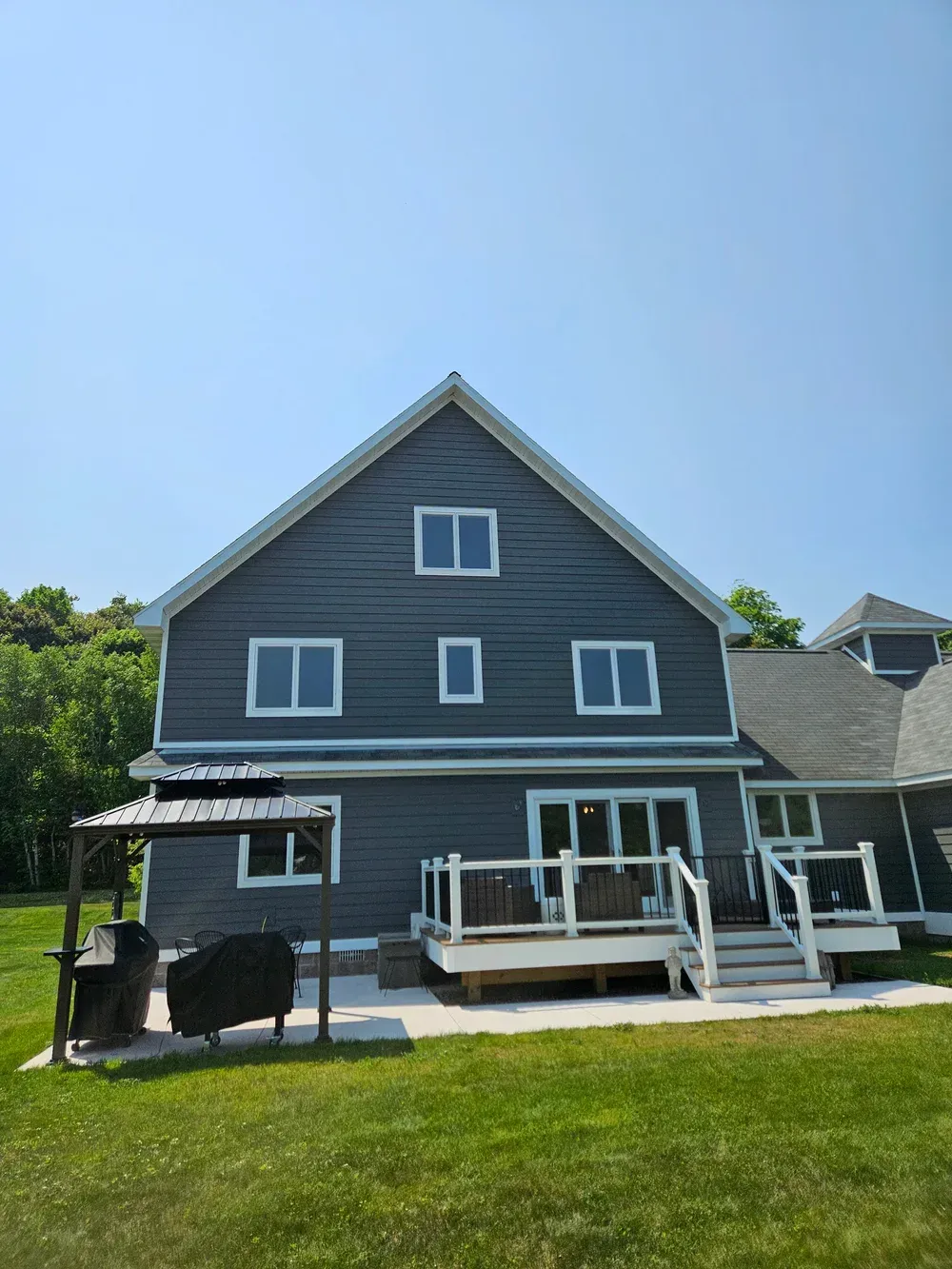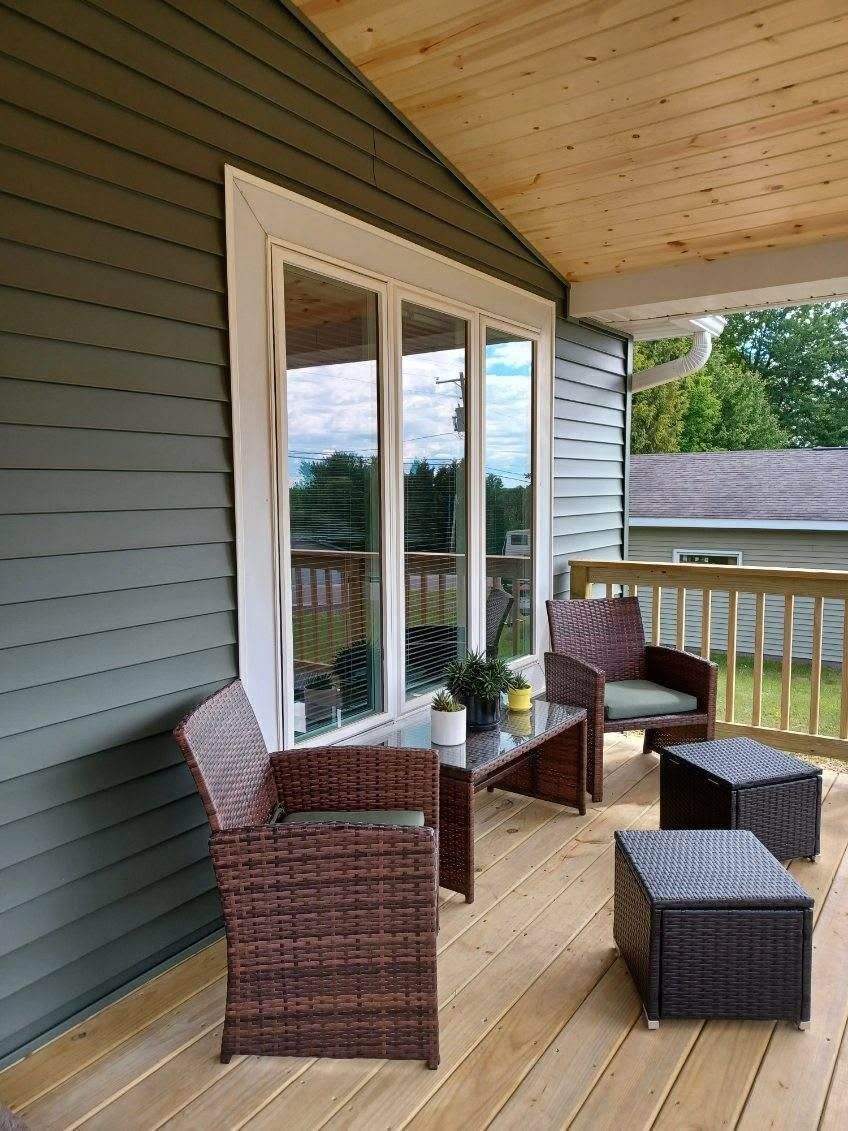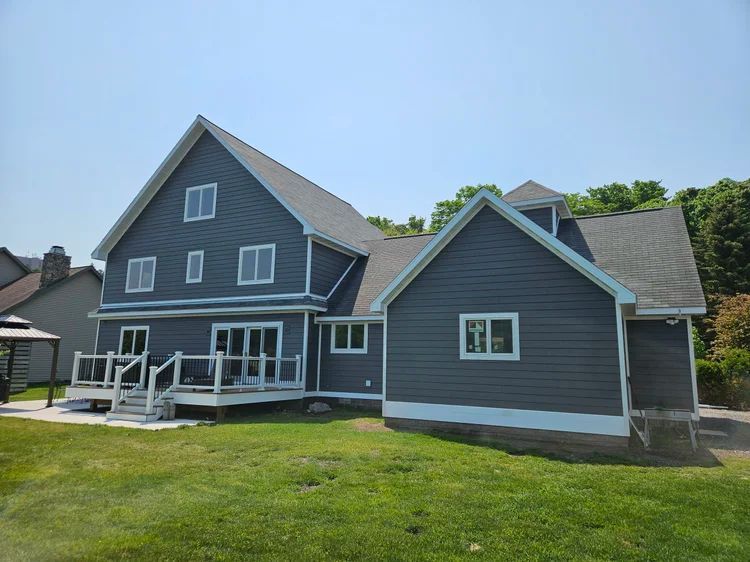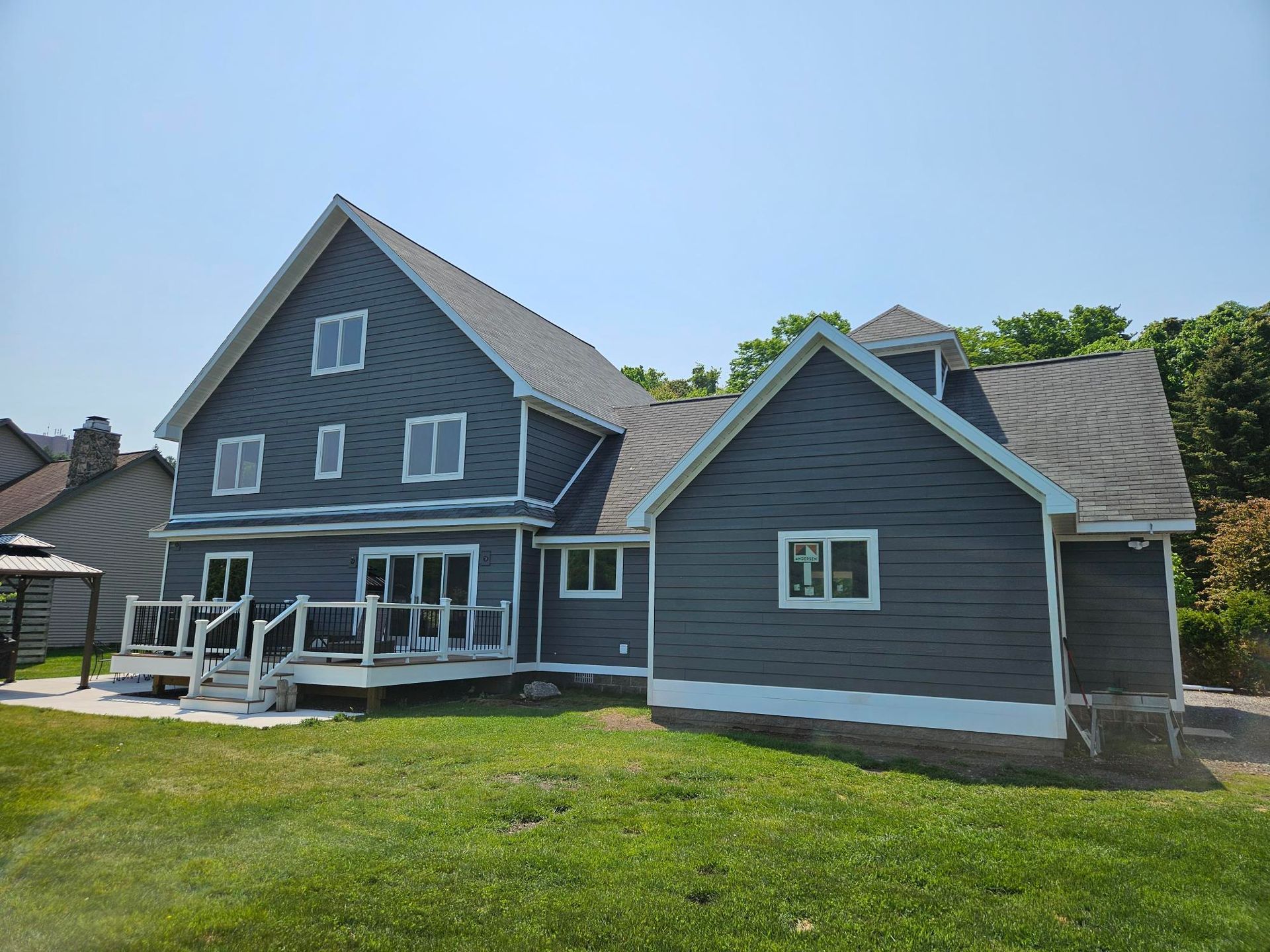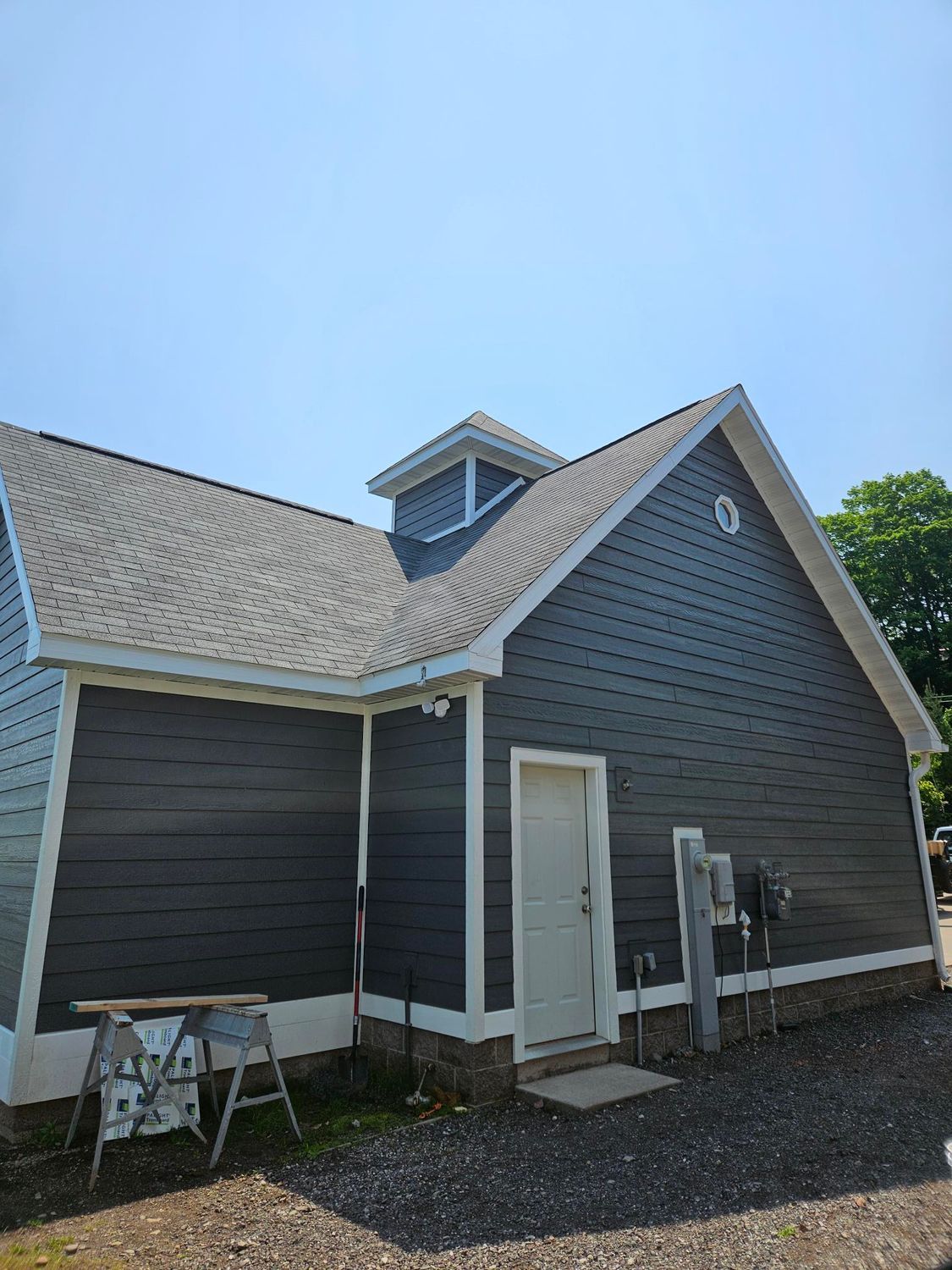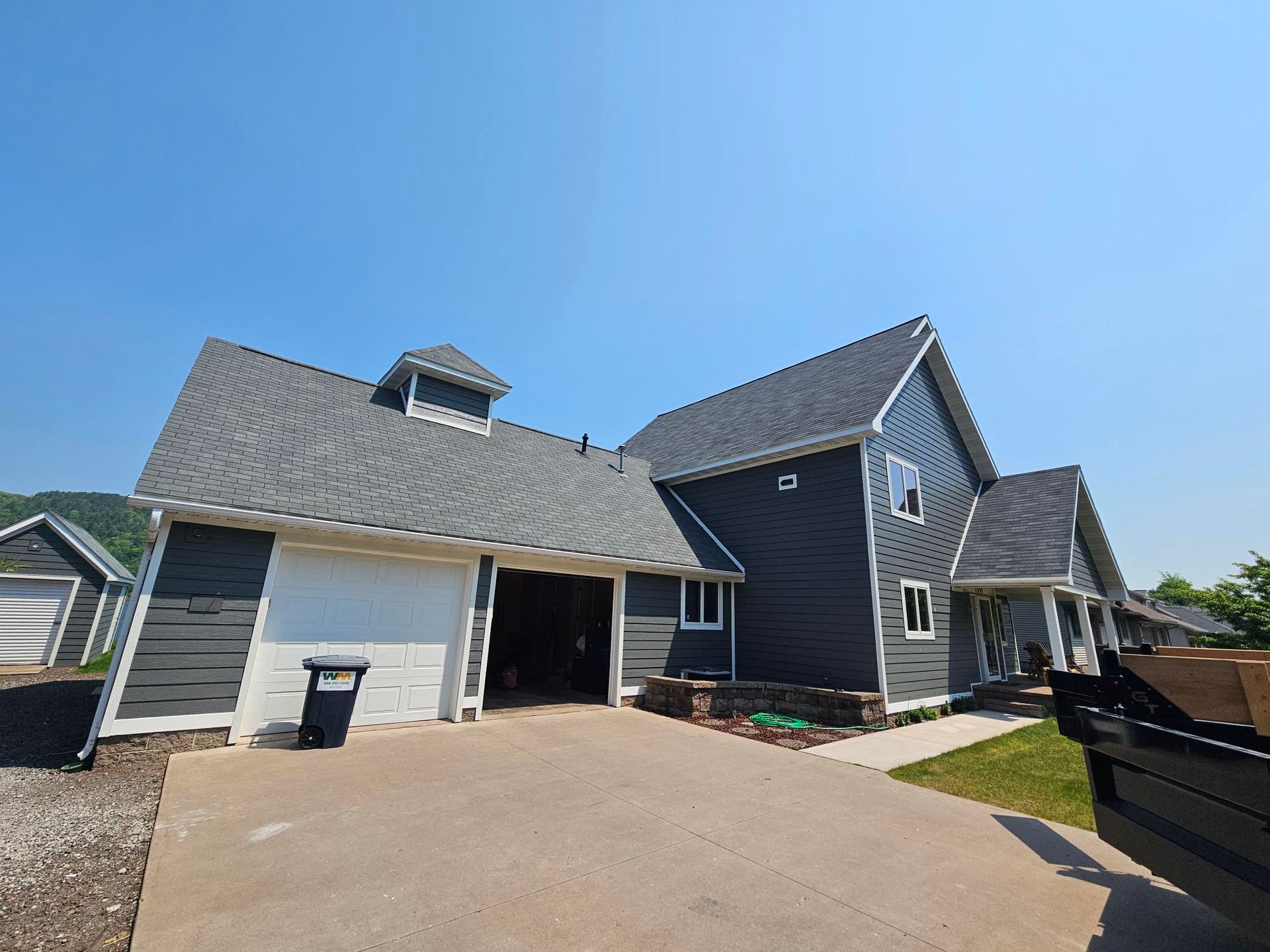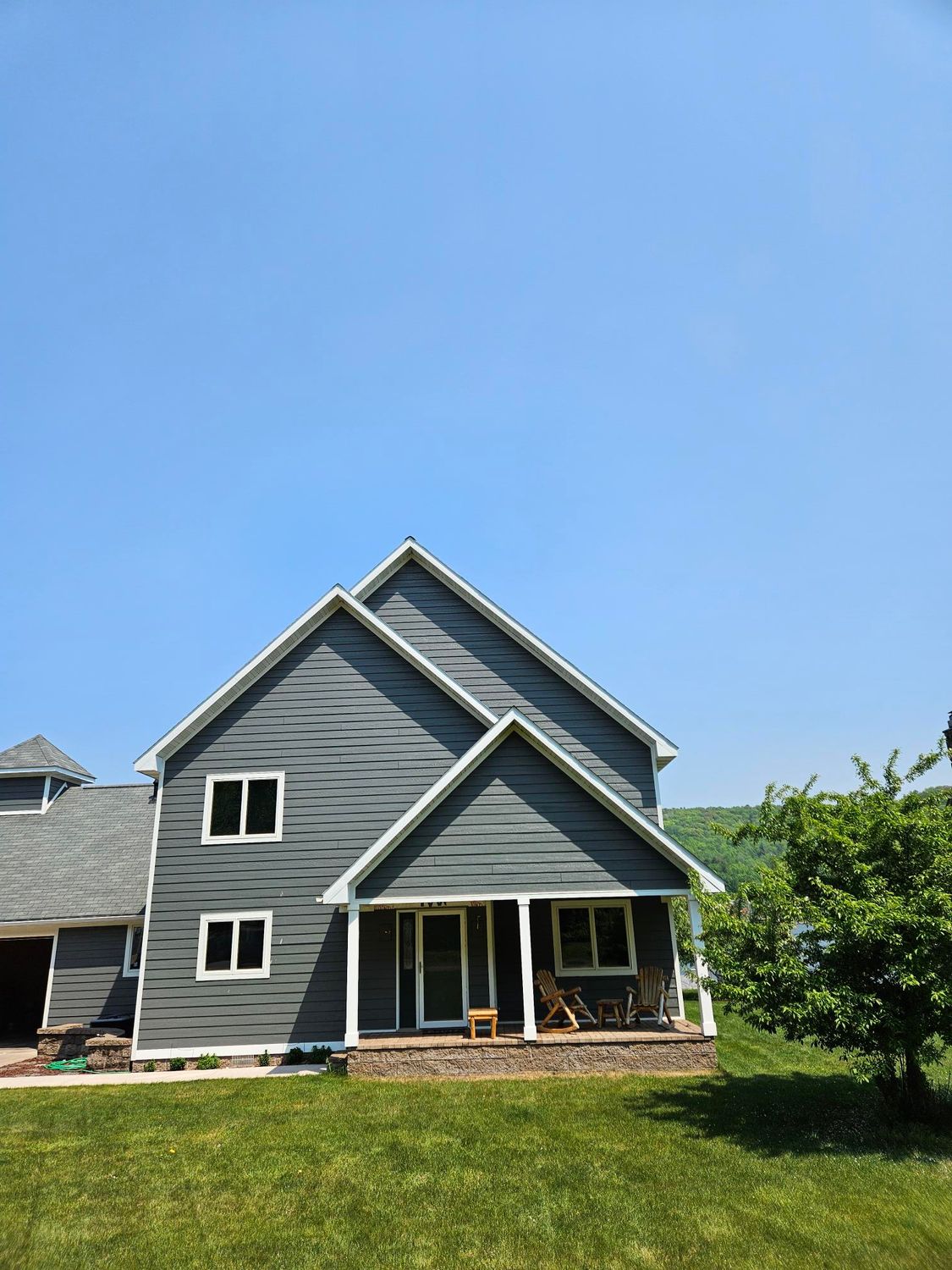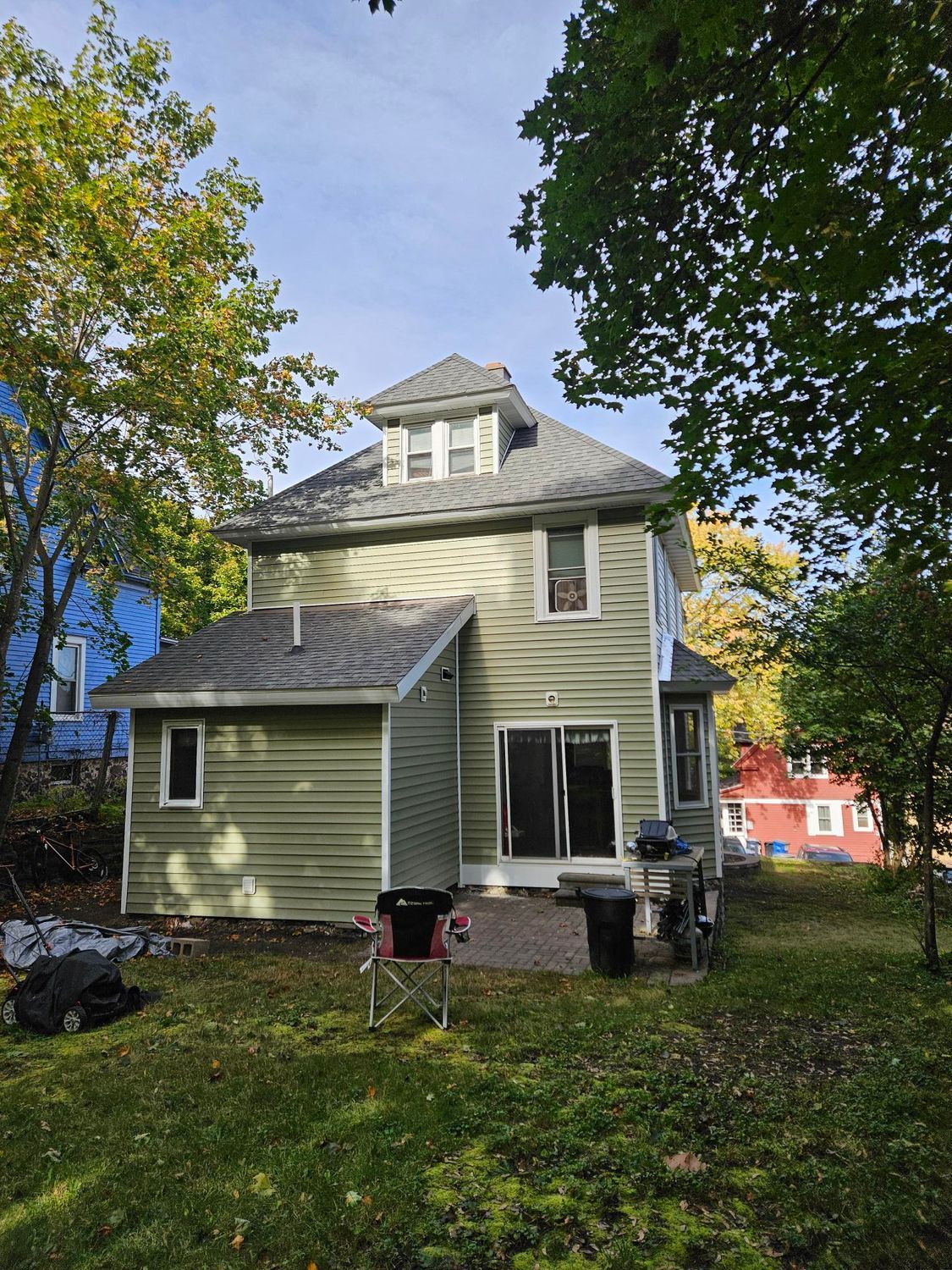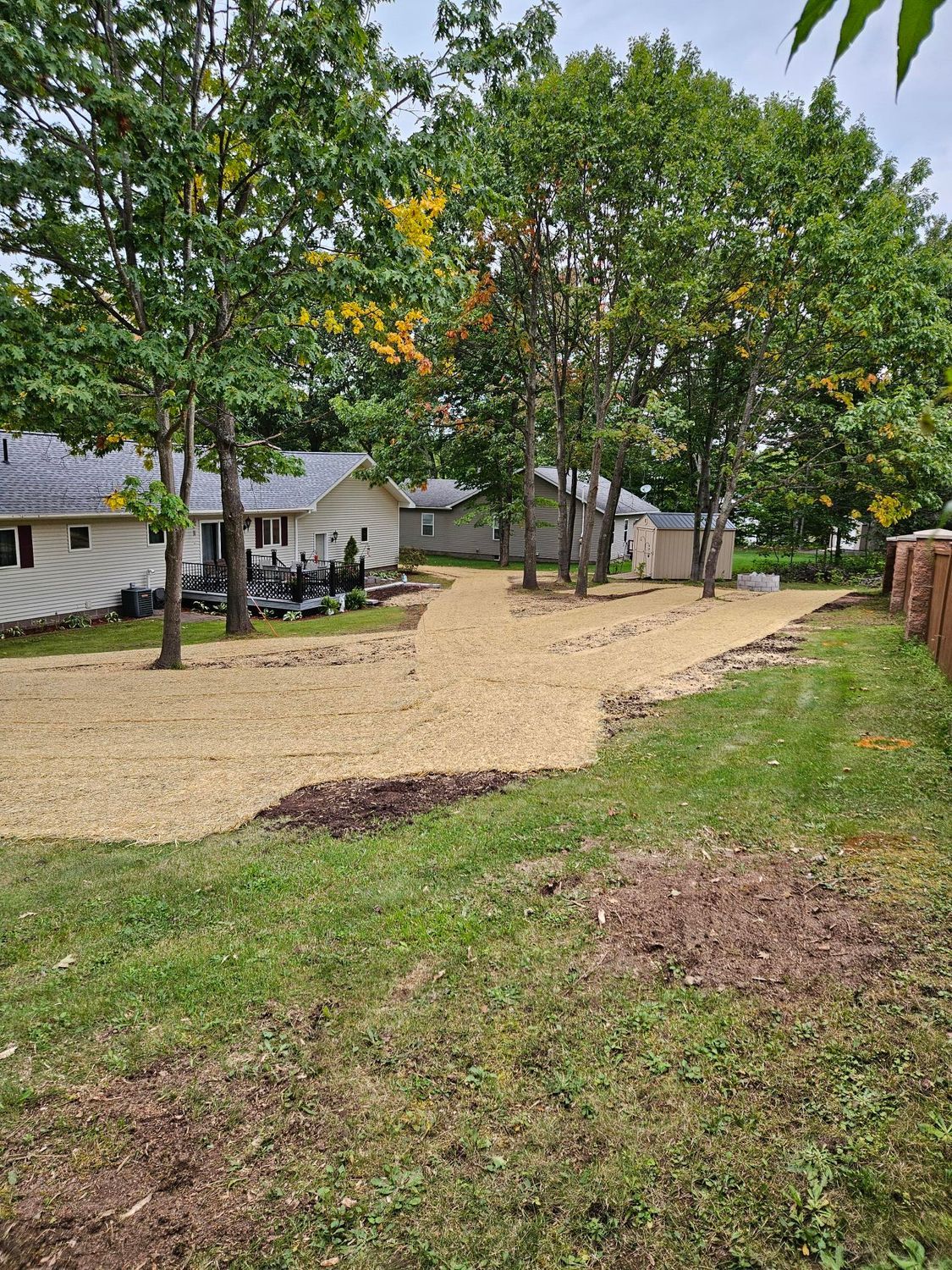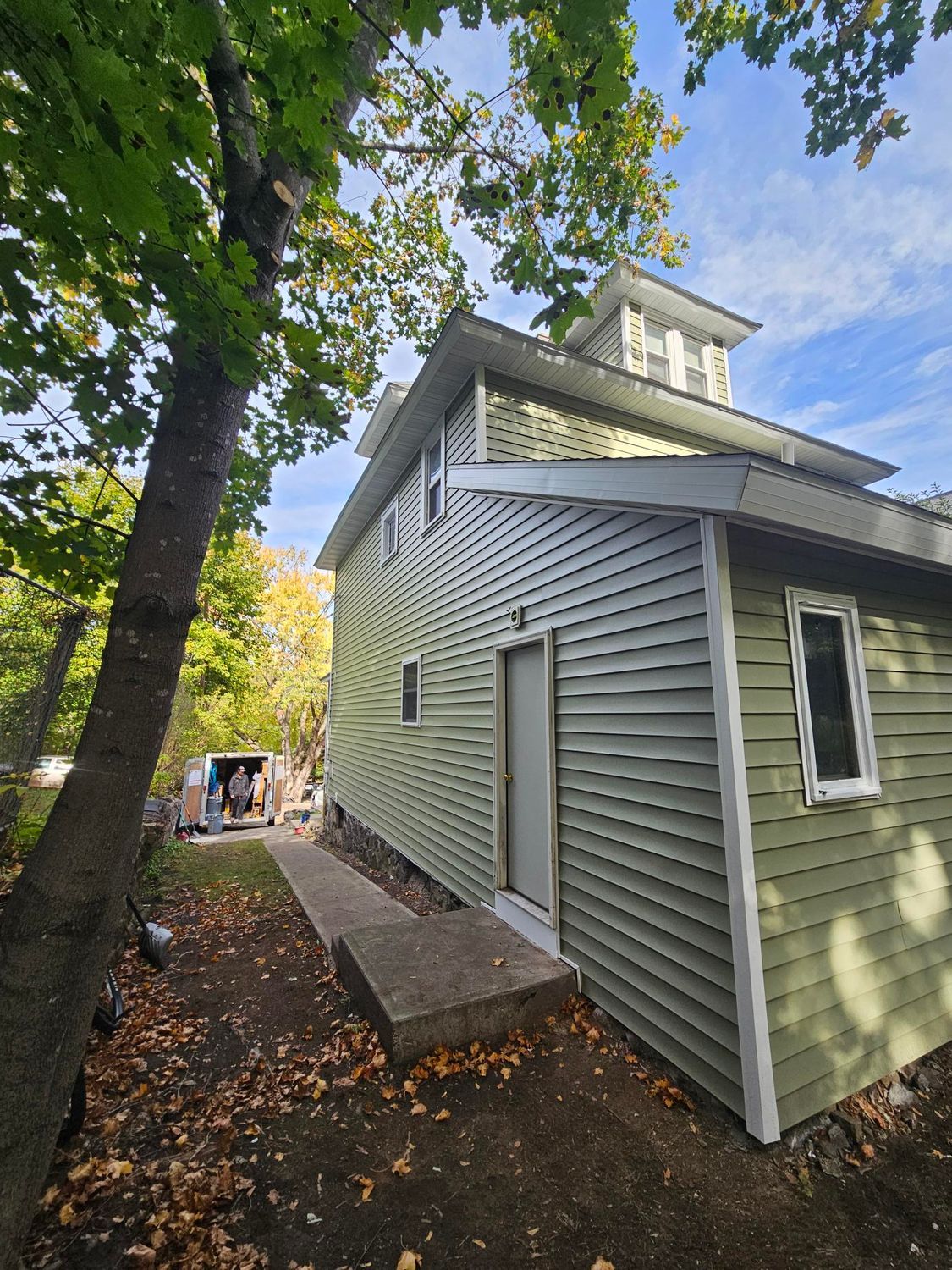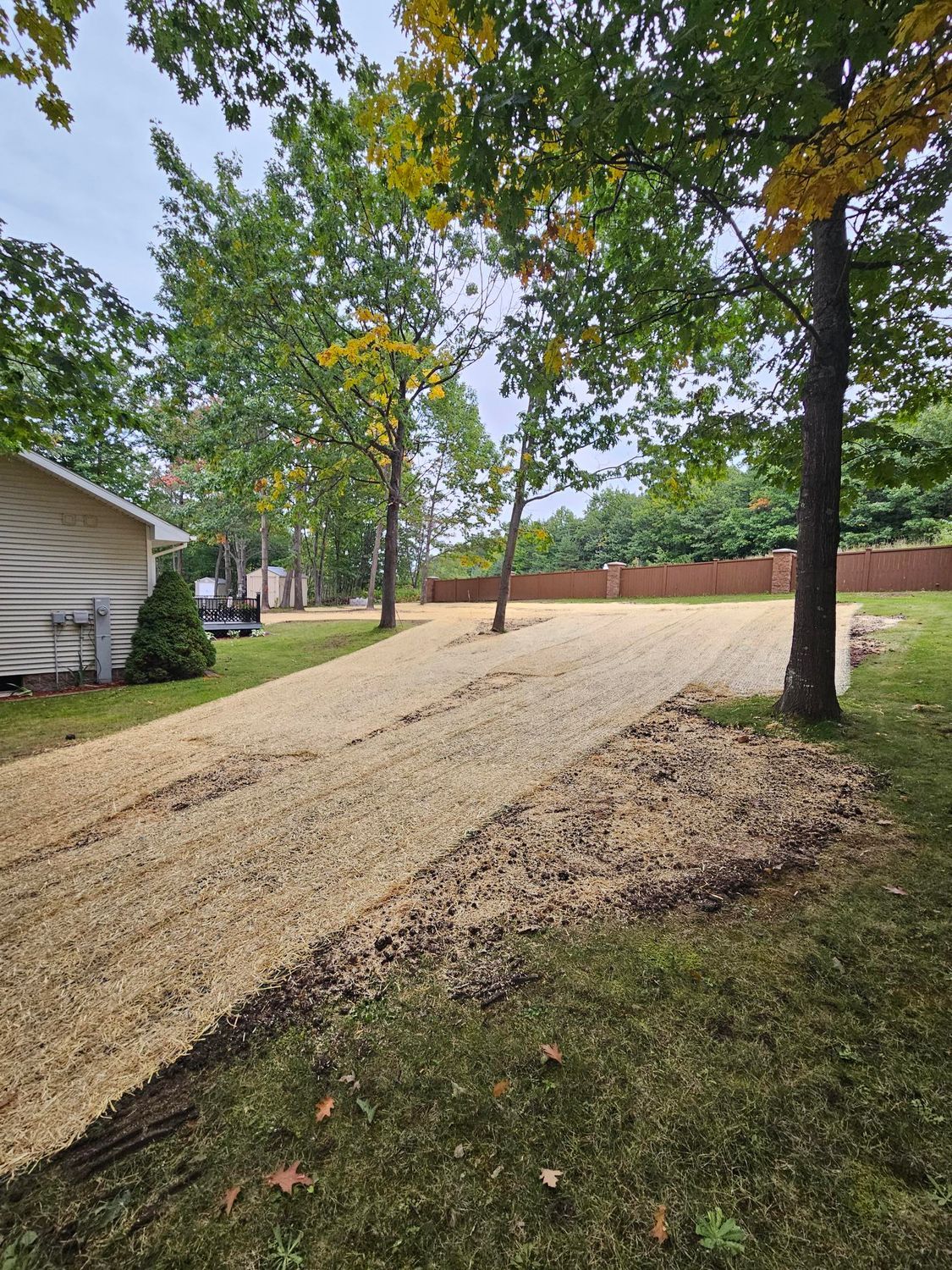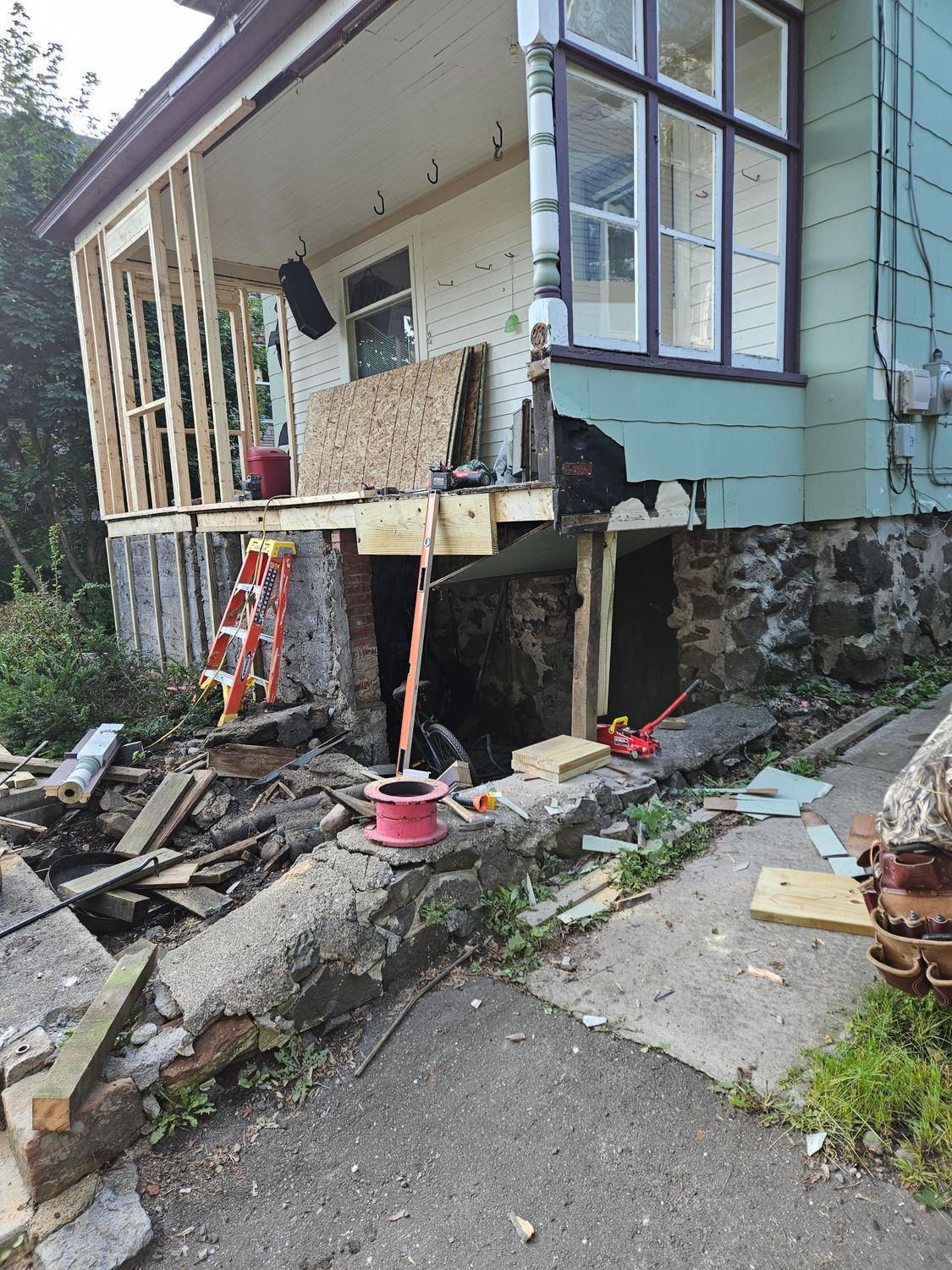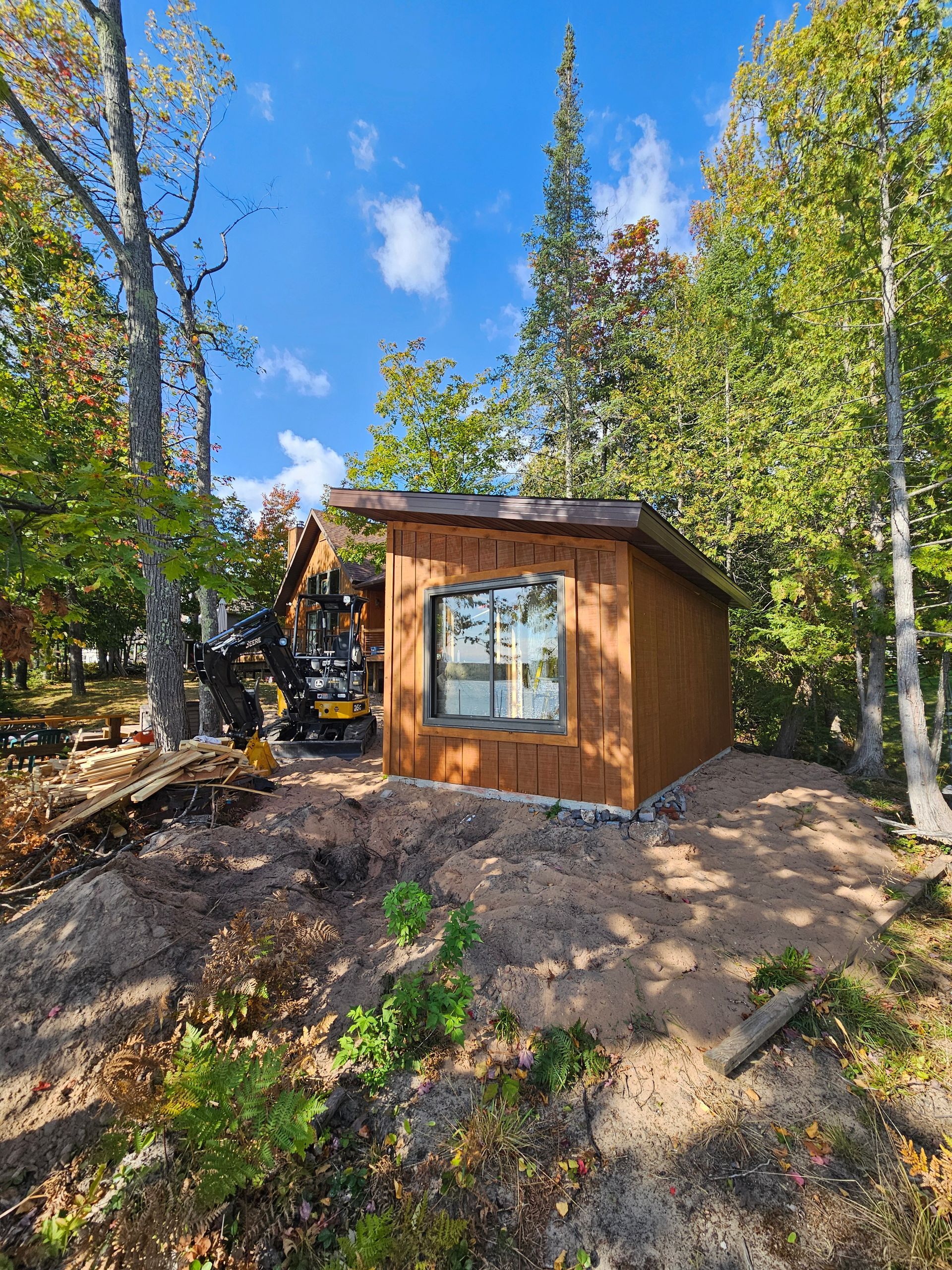
Exterior Upgrades That Handle Weather
Exterior Renovations in Chassell for homes needing siding replacement, trim repair, or protection against Michigan's seasonal extremes
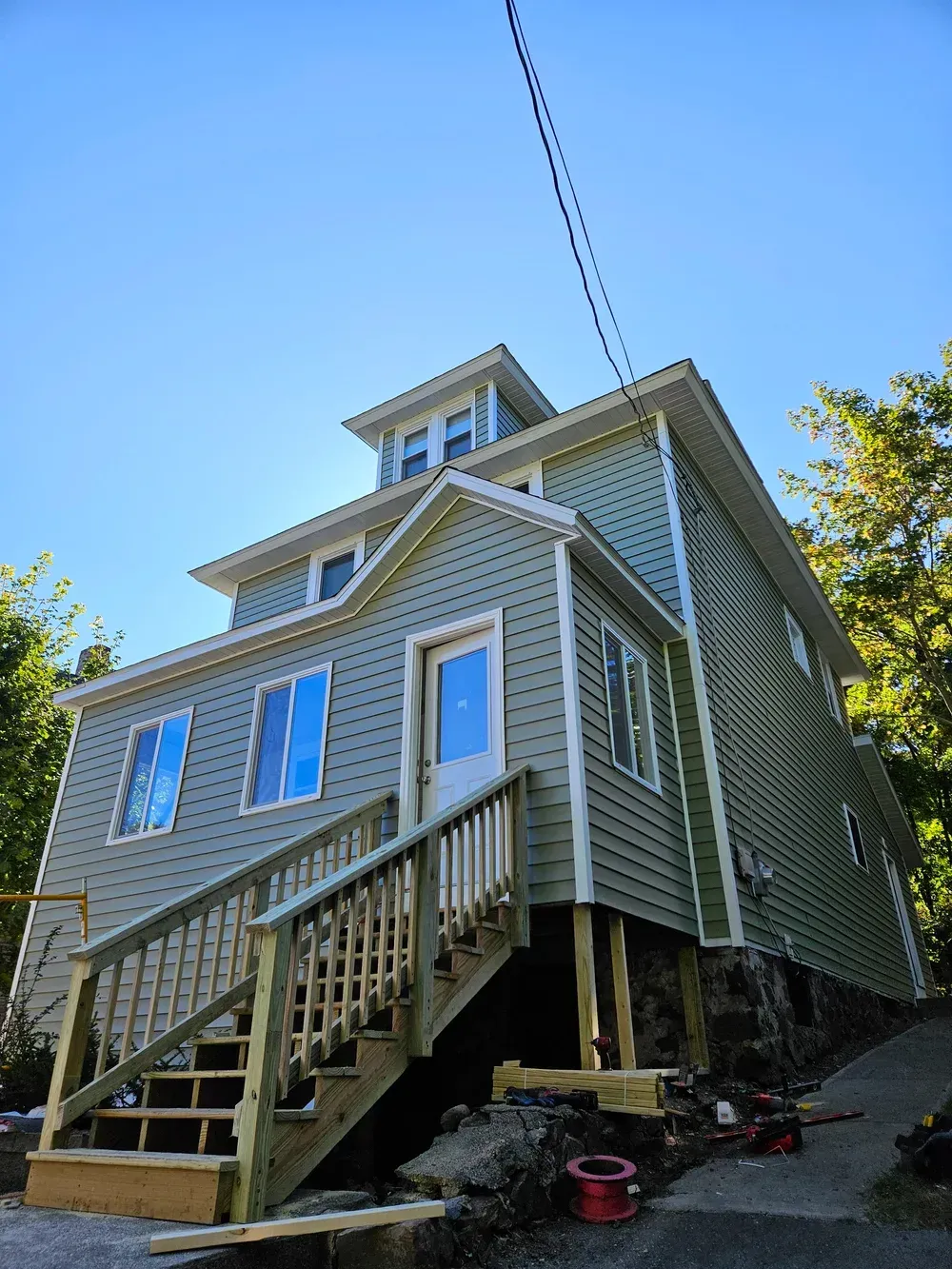
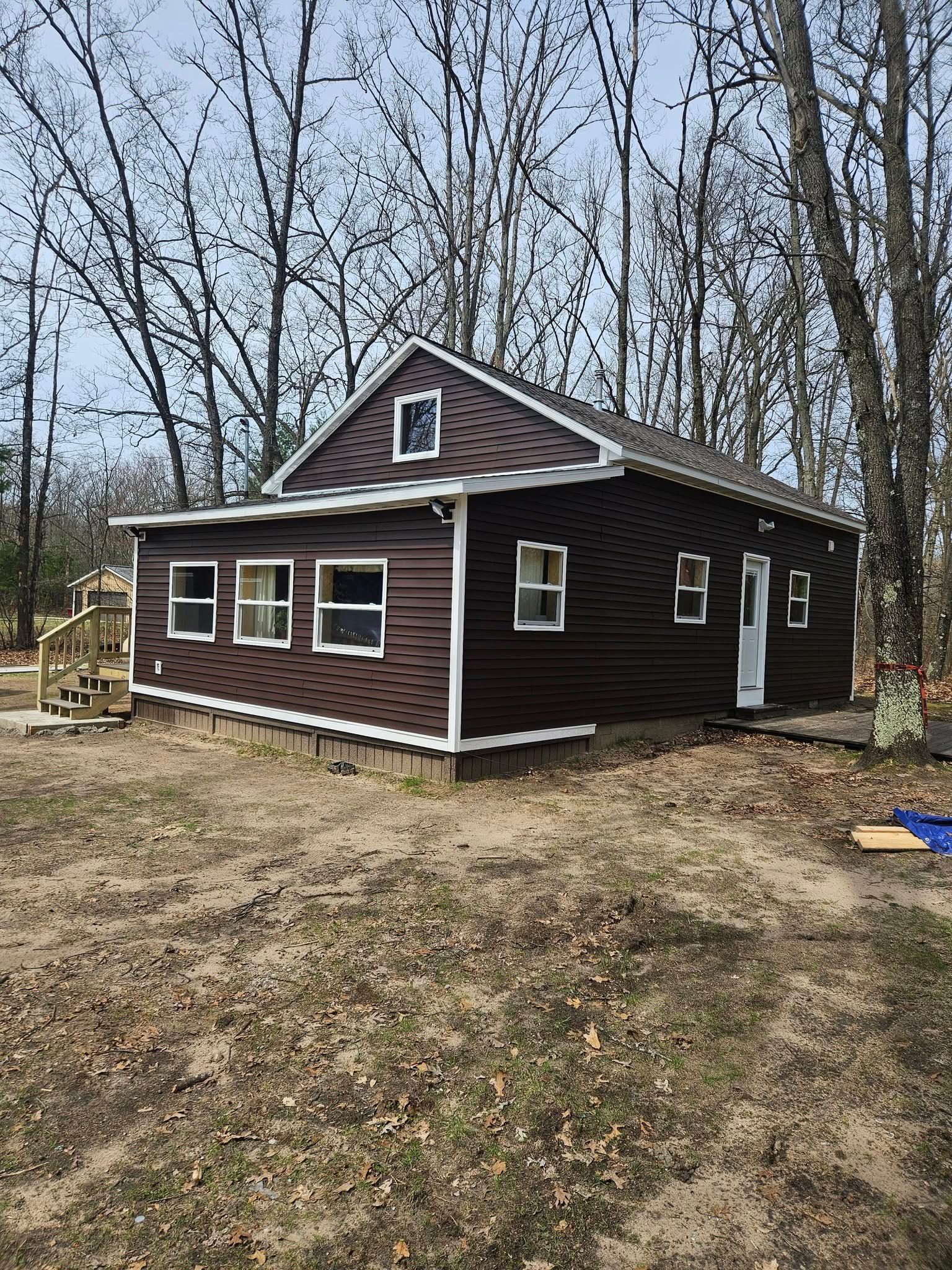
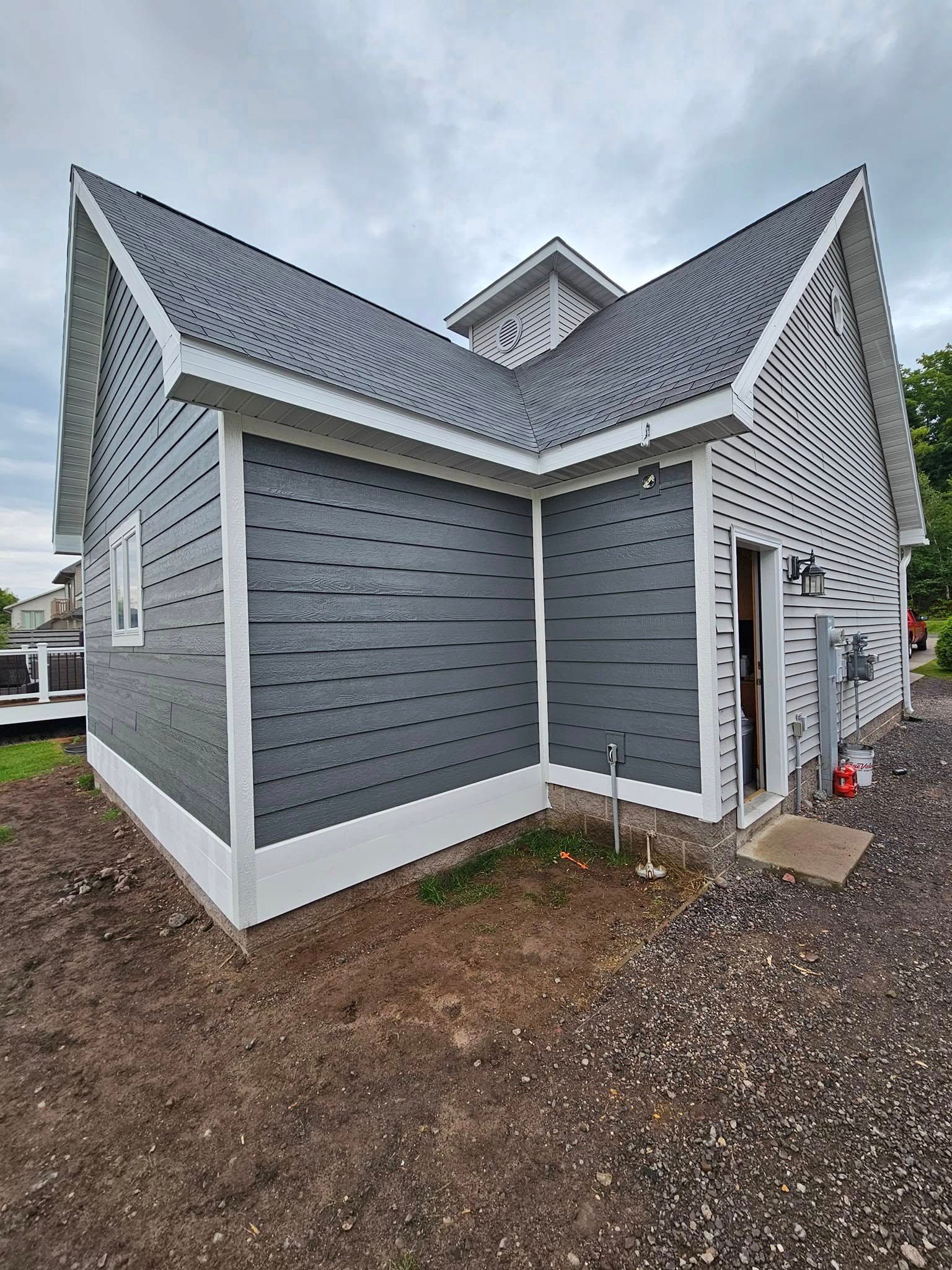
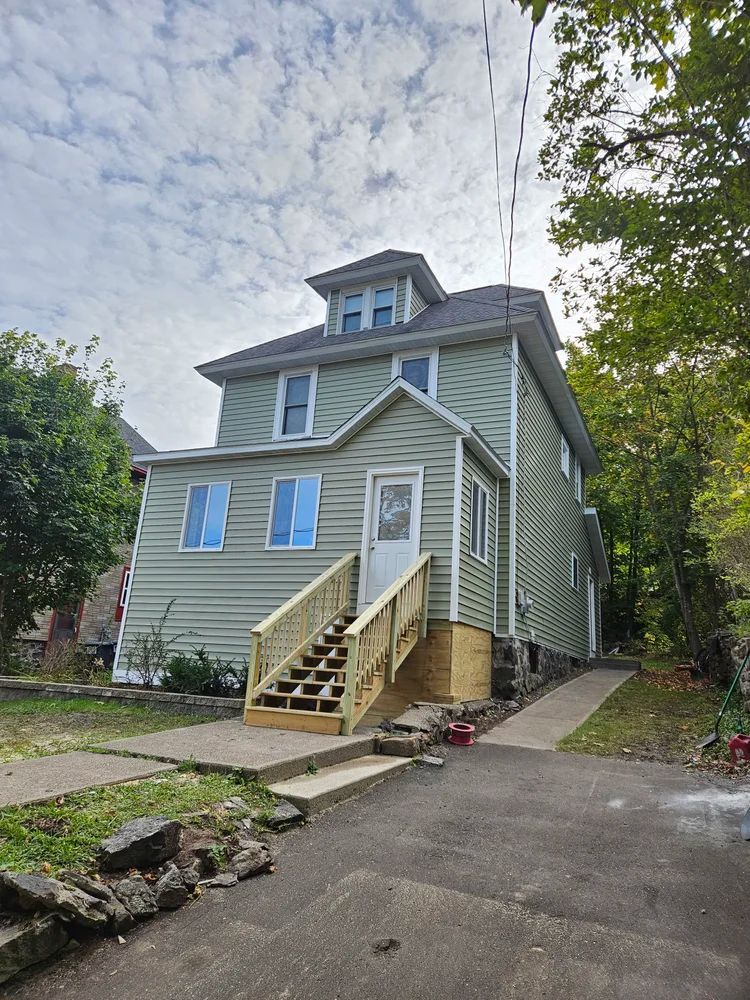
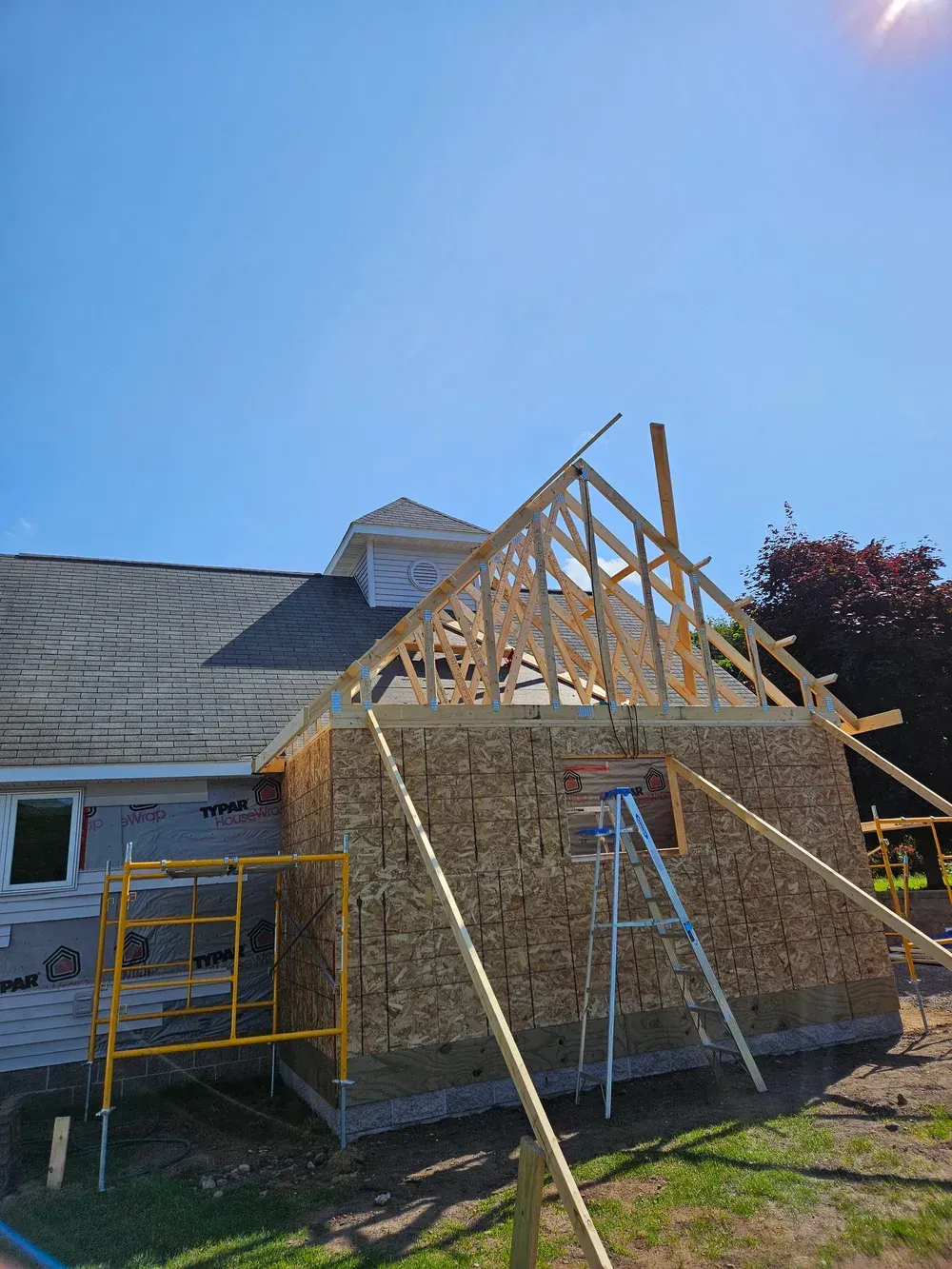
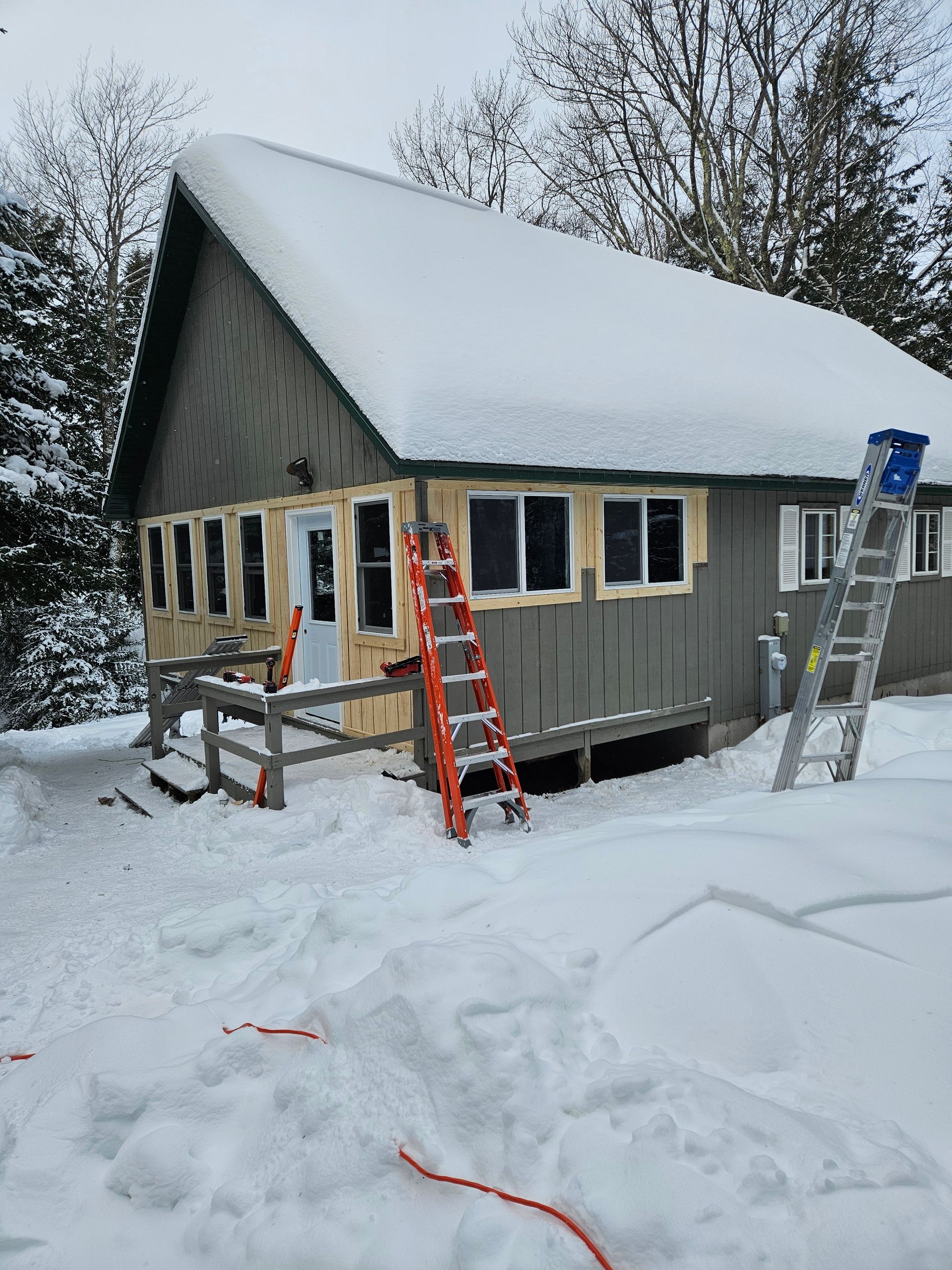
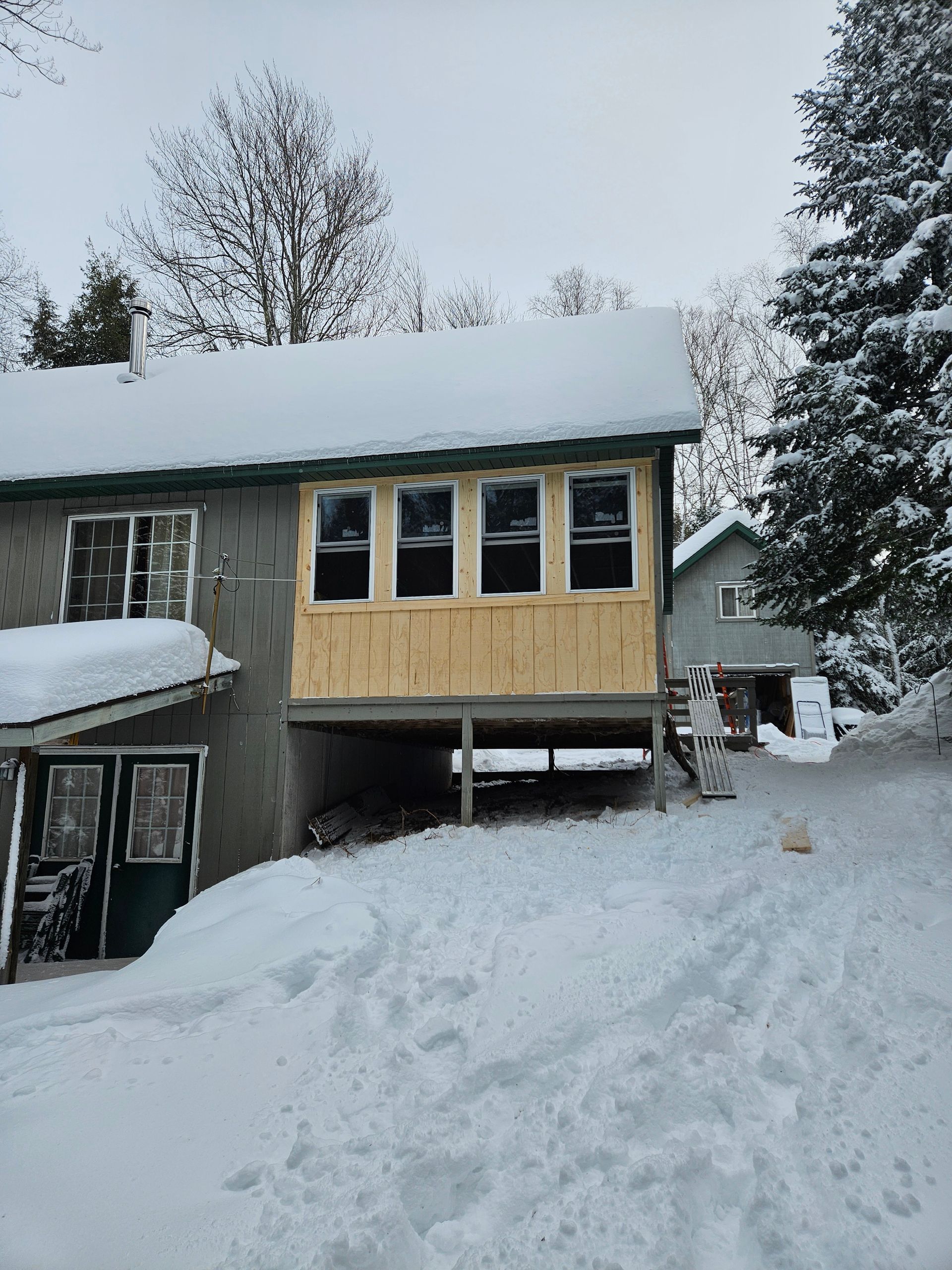
Michigan weather cycles between summer humidity, winter snow loads, freeze-thaw cycles that open seams, and UV exposure that degrades finishes over time. Exterior improvements must account for these conditions or they fail within years rather than decades. Pace Contracting completes exterior renovations in Chassell using installation techniques that manage moisture intrusion, allow materials to expand and contract with temperature swings, and provide long-term structural protection. The work includes siding replacement, trim and fascia repair, soffit installation, and entry improvements designed to withstand local weather patterns rather than simply covering surfaces.
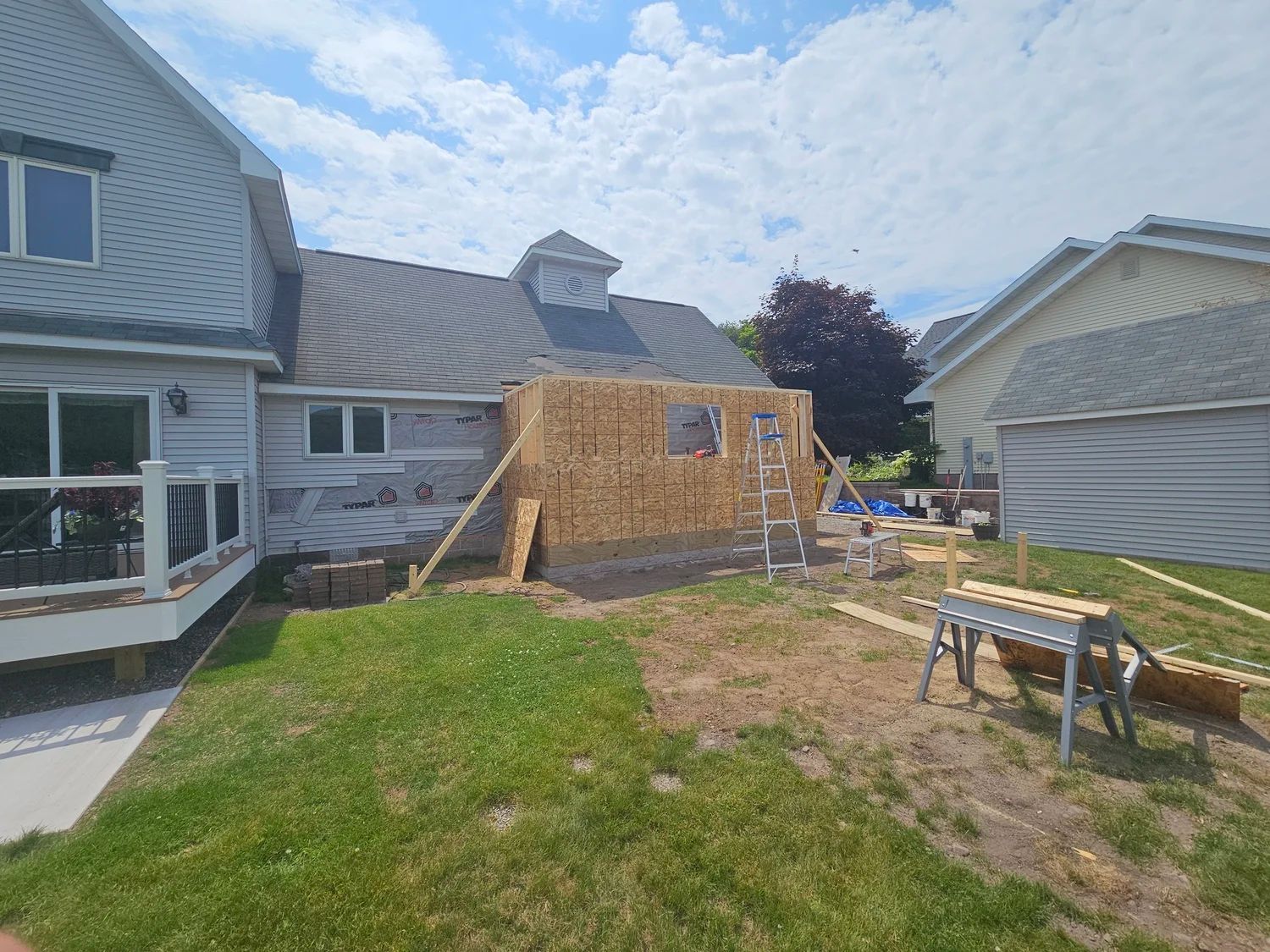
Proper installation begins with addressing moisture barriers behind siding, flashing around windows and doors, and ventilation pathways that prevent condensation inside wall cavities. Siding is fastened to allow movement without buckling in summer heat, trim joints are caulked to prevent water infiltration, and soffit vents provide airflow that reduces attic moisture—a common source of ice dams and roof damage in Chassell winters.
Request a free exterior renovation estimate to identify areas where moisture protection has failed and discuss siding solutions built for Michigan conditions.
Exterior projects start by evaluating what lies beneath existing siding—sheathing condition, moisture barrier integrity, and framing soundness where leaks may have caused hidden rot. Siding installation follows manufacturer specifications for fastener placement and overlap to prevent wind-driven rain from reaching sheathing, and trim boards are primed on all sides before installation to reduce moisture absorption that causes warping. Soffit and fascia are installed with proper ventilation openings sized to attic volume, and entry improvements include weatherstripping and threshold seals that prevent drafts.
After completion, siding sits flat without waves or buckling, trim joints remain tight through seasonal temperature changes, and fascia boards don't sag or pull away from rooflines. Improved curb appeal comes from consistent reveal lines, trim that frames windows and doors symmetrically, and siding that runs level across the home's facade. More importantly, moisture stays outside where flashing and barriers direct it downward rather than into wall cavities where it rots framing and insulation.
The philosophy is completing projects correctly the first time rather than returning for callbacks when materials fail prematurely. That means using fasteners rated for exterior exposure, caulking that remains flexible through freeze-thaw cycles, and paint or stain that penetrates wood grain rather than sitting on the surface where it peels within seasons.
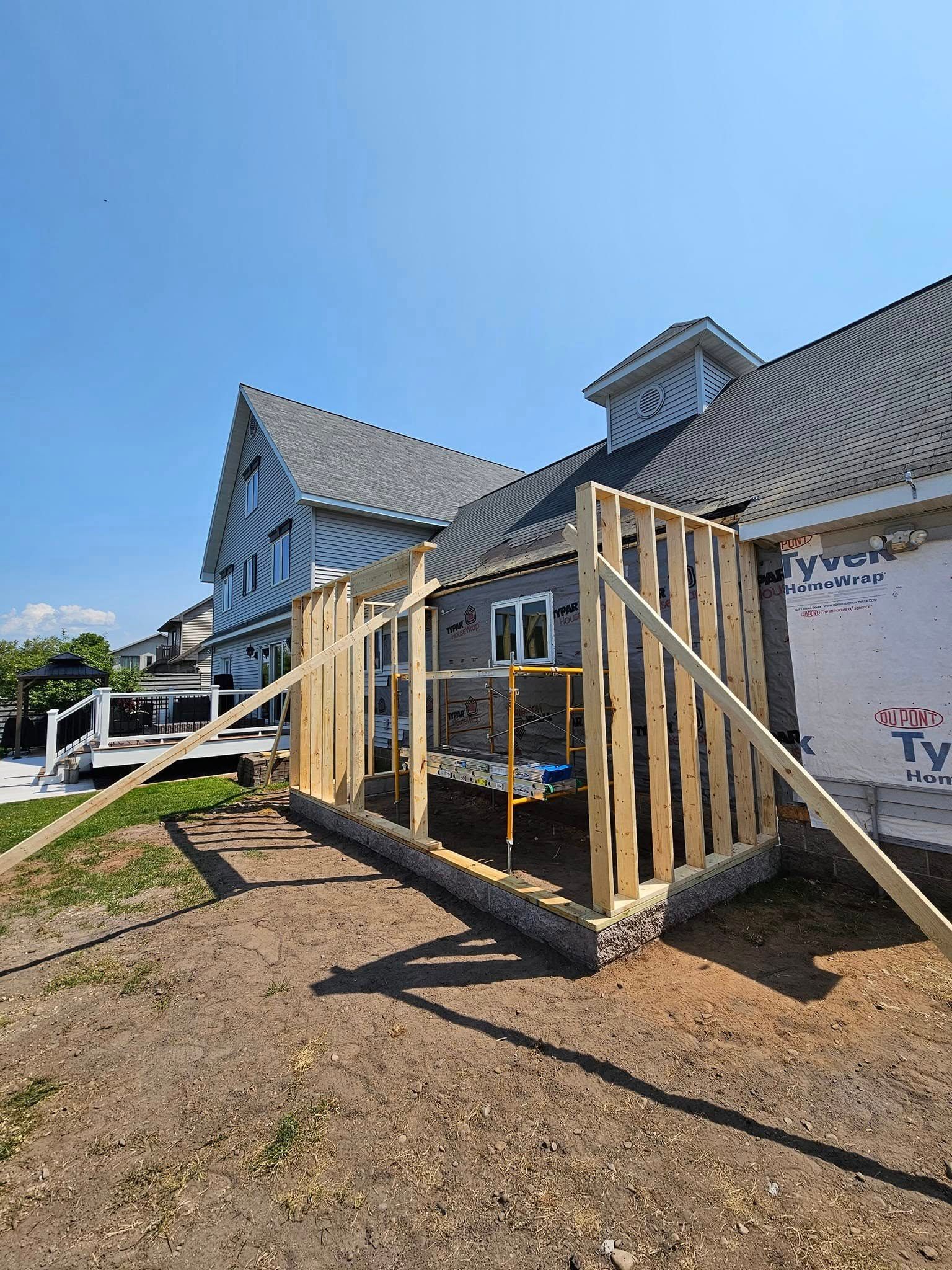
Answers to Frequent Exterior Renovation Questions
Exterior work protects your home's structural integrity while improving appearance. These questions clarify what proper installation involves and why certain details matter in Chassell's climate.
What causes siding to buckle or warp after installation?
Fasteners driven too tight restrict the material's ability to expand in summer heat, causing buckling. Siding must be installed with slight play at each fastener so it can move without distorting. This is especially important with vinyl and composite materials that expand more than wood.
How does flashing prevent water damage?
Flashing installed above windows, doors, and trim directs water outward over the siding rather than allowing it to seep behind those components. Without proper flashing, water migrates into wall cavities during rain and snowmelt, causing rot that isn't visible until significant damage has occurred.
Why do soffit vents matter for long-term durability?
Attic ventilation prevents moisture from condensing on cold roof sheathing during winter, which reduces ice dam formation and prevents mold growth in attic spaces. Soffit vents work with ridge or gable vents to create airflow that removes moisture before it causes problems.
What trim materials perform best in Michigan weather?
Primed pine and cedar resist rot when properly sealed, PVC trim never rots but expands noticeably with temperature swings, and composite materials balance durability with dimensional stability. The choice depends on exposure to direct weather and whether homeowners prefer painting or low-maintenance materials.
How long does exterior siding replacement take?
Full siding replacement on an average home typically requires one to two weeks depending on weather conditions, the extent of sheathing or trim repairs discovered during removal, and material type. Projects scheduled during Chassell's milder months progress faster than those interrupted by rain or cold temperatures.
Pace Contracting plans every exterior renovation to protect against moisture intrusion and seasonal weather stress rather than simply updating appearance. Schedule a consultation to walk your home's exterior and identify where protection has degraded or installation details were skipped in previous work.