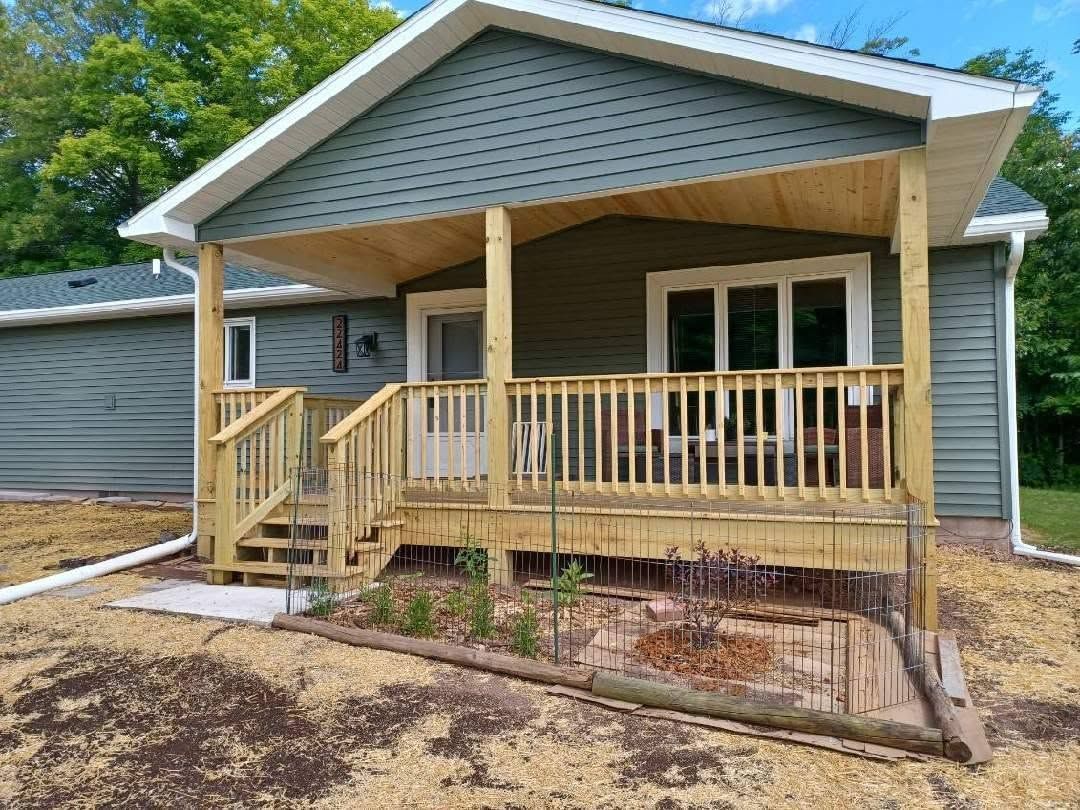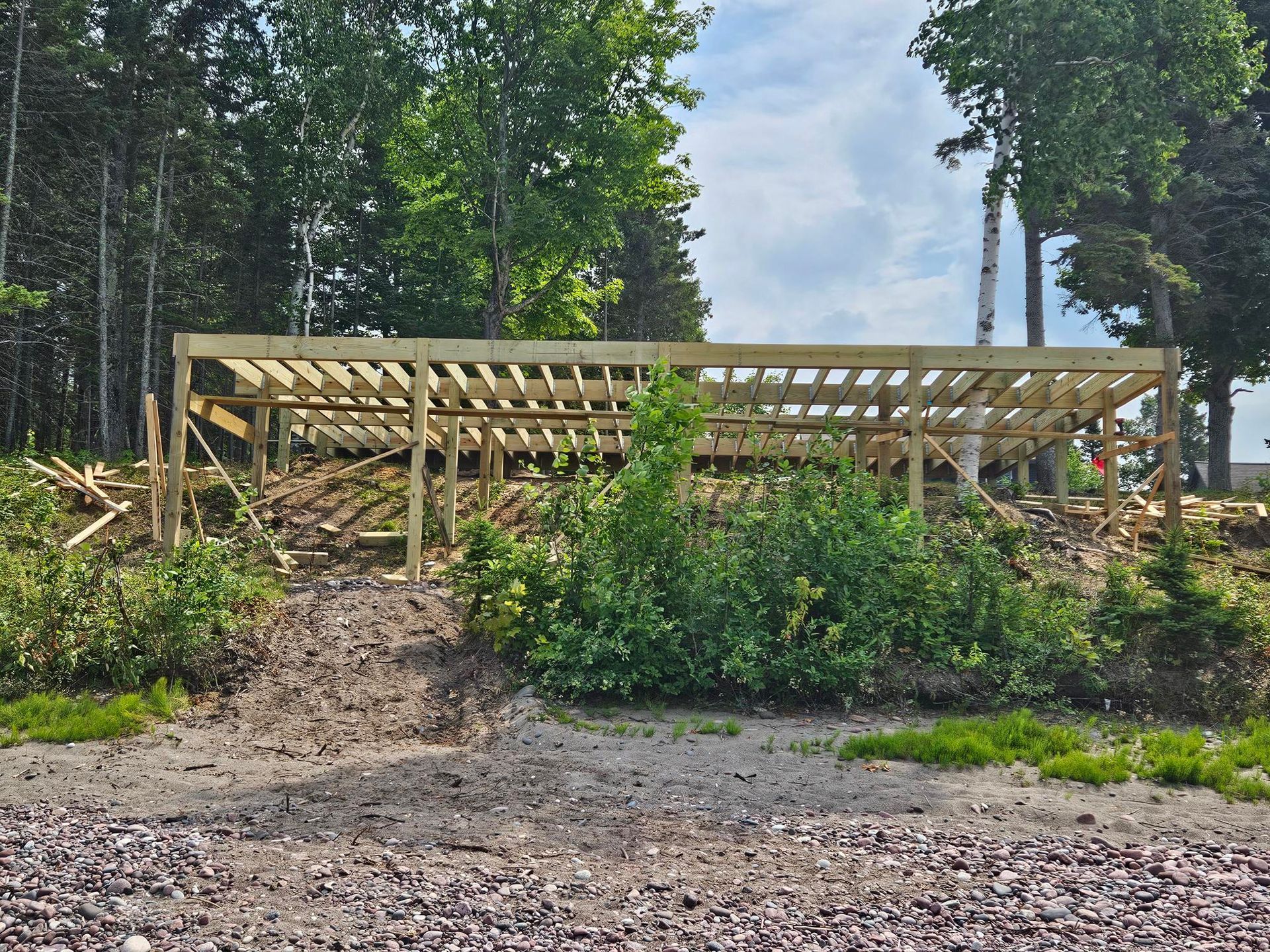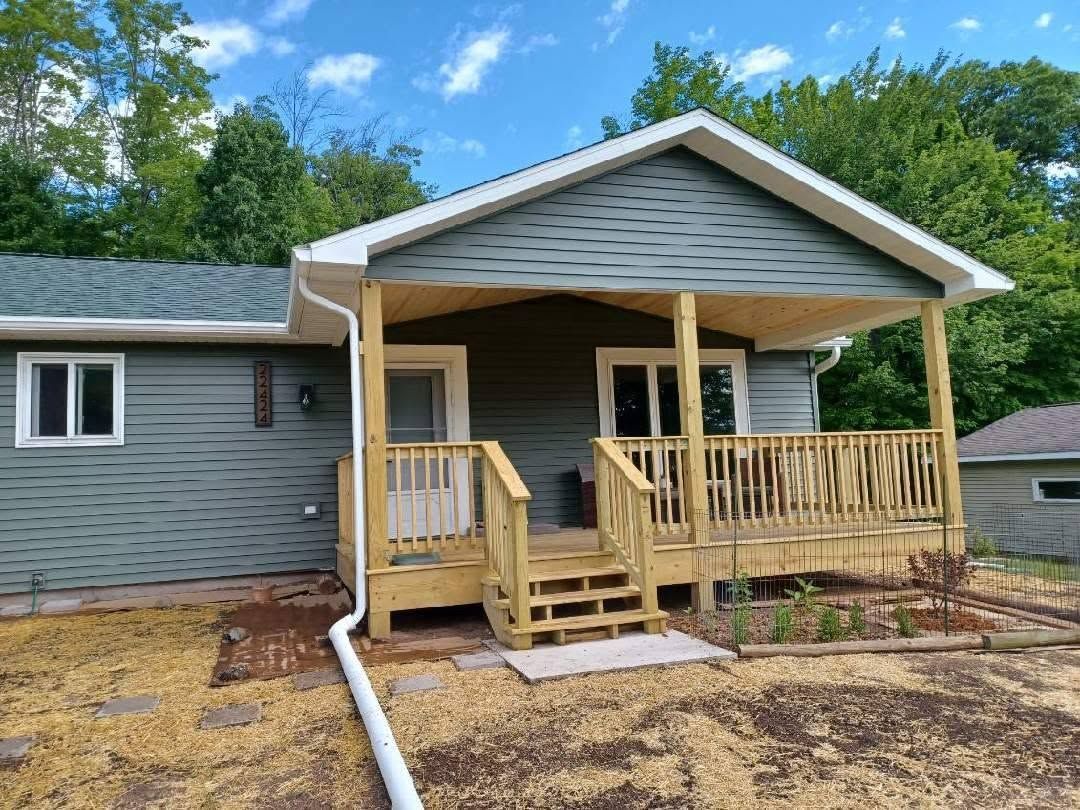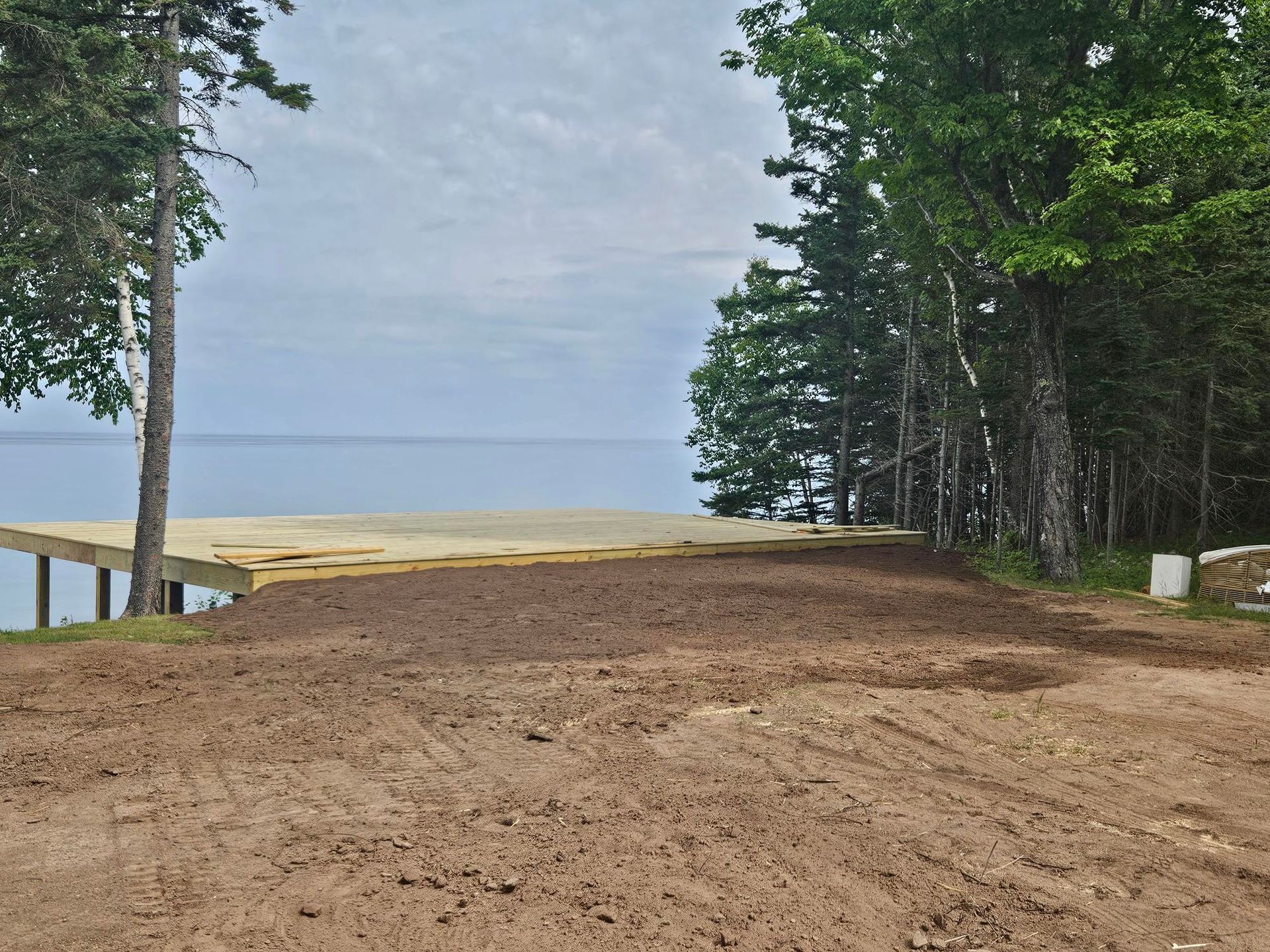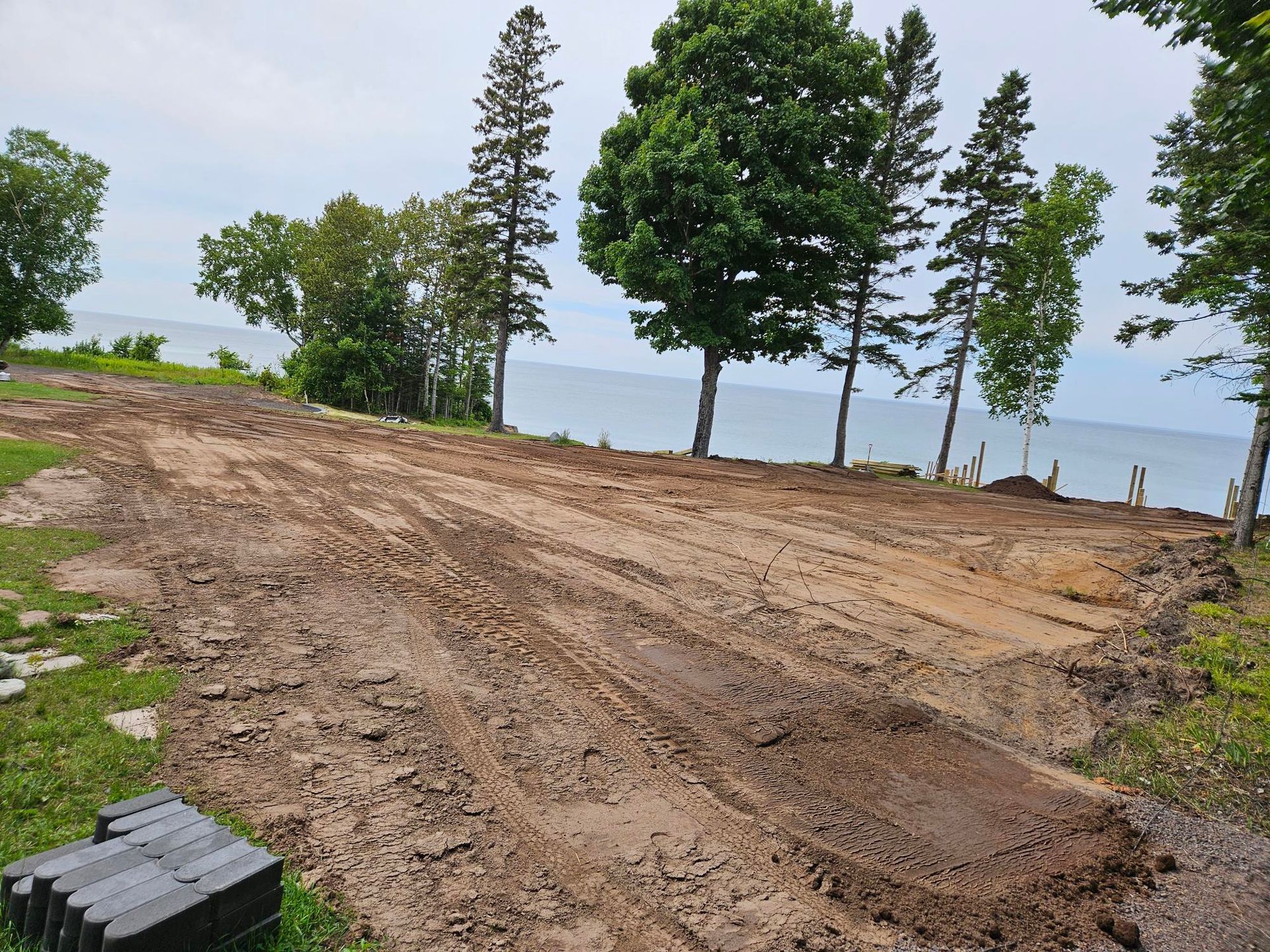
Outdoor Structures Engineered for Snow Loading
Deck Installation and Repair in Chassell for homes exposed to heavy snowfall, persistent moisture, and extreme temperature fluctuations
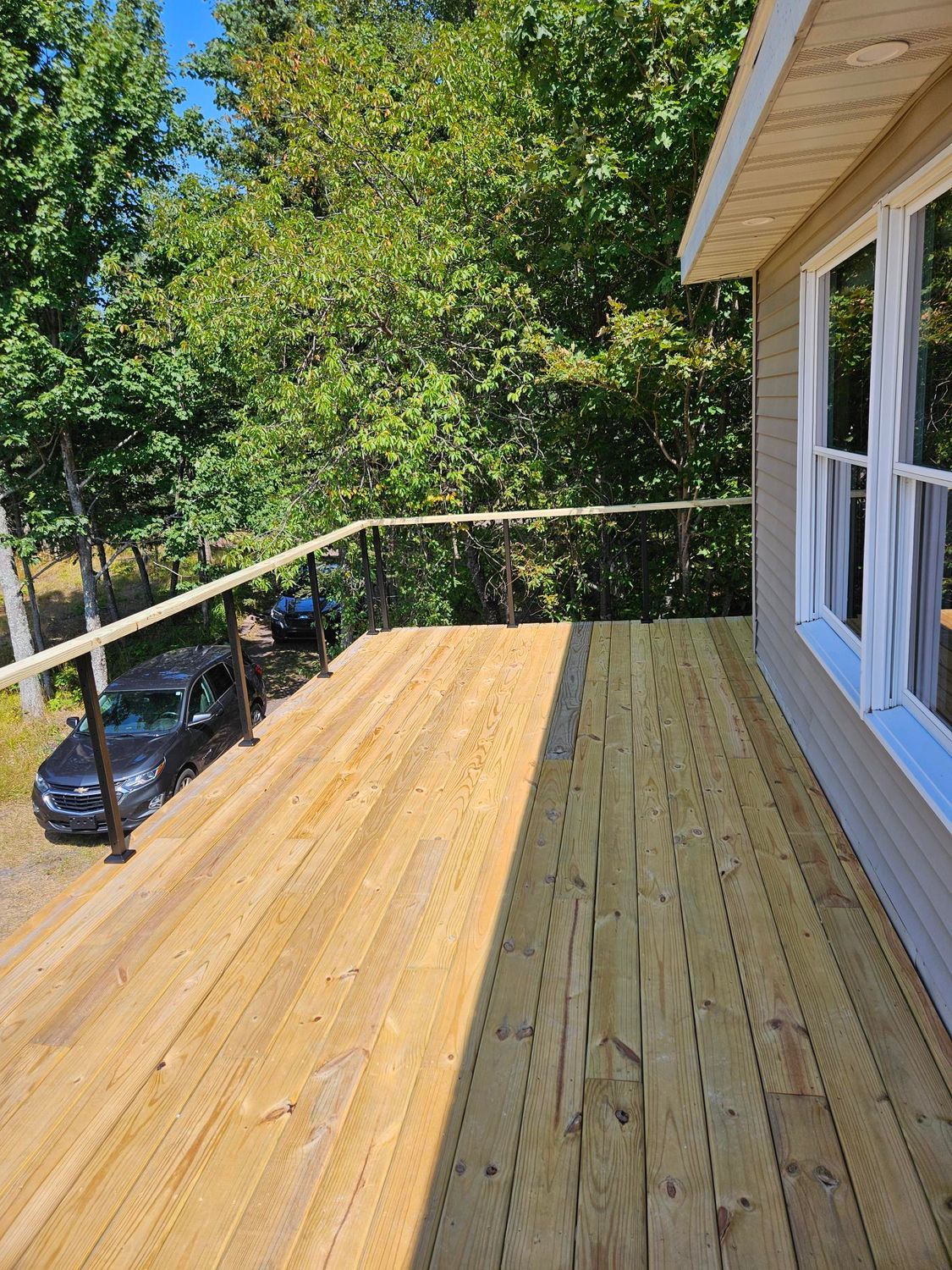
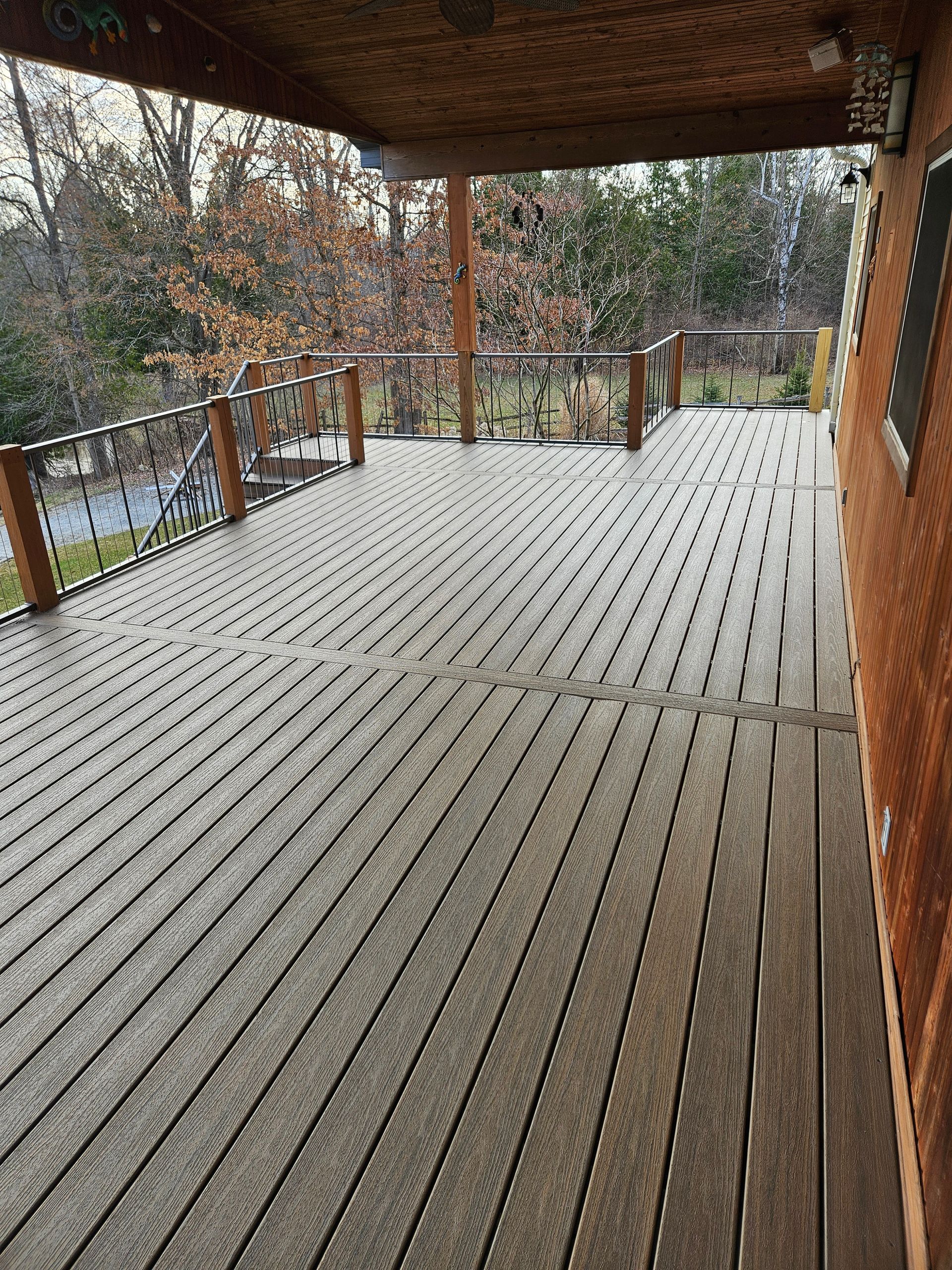
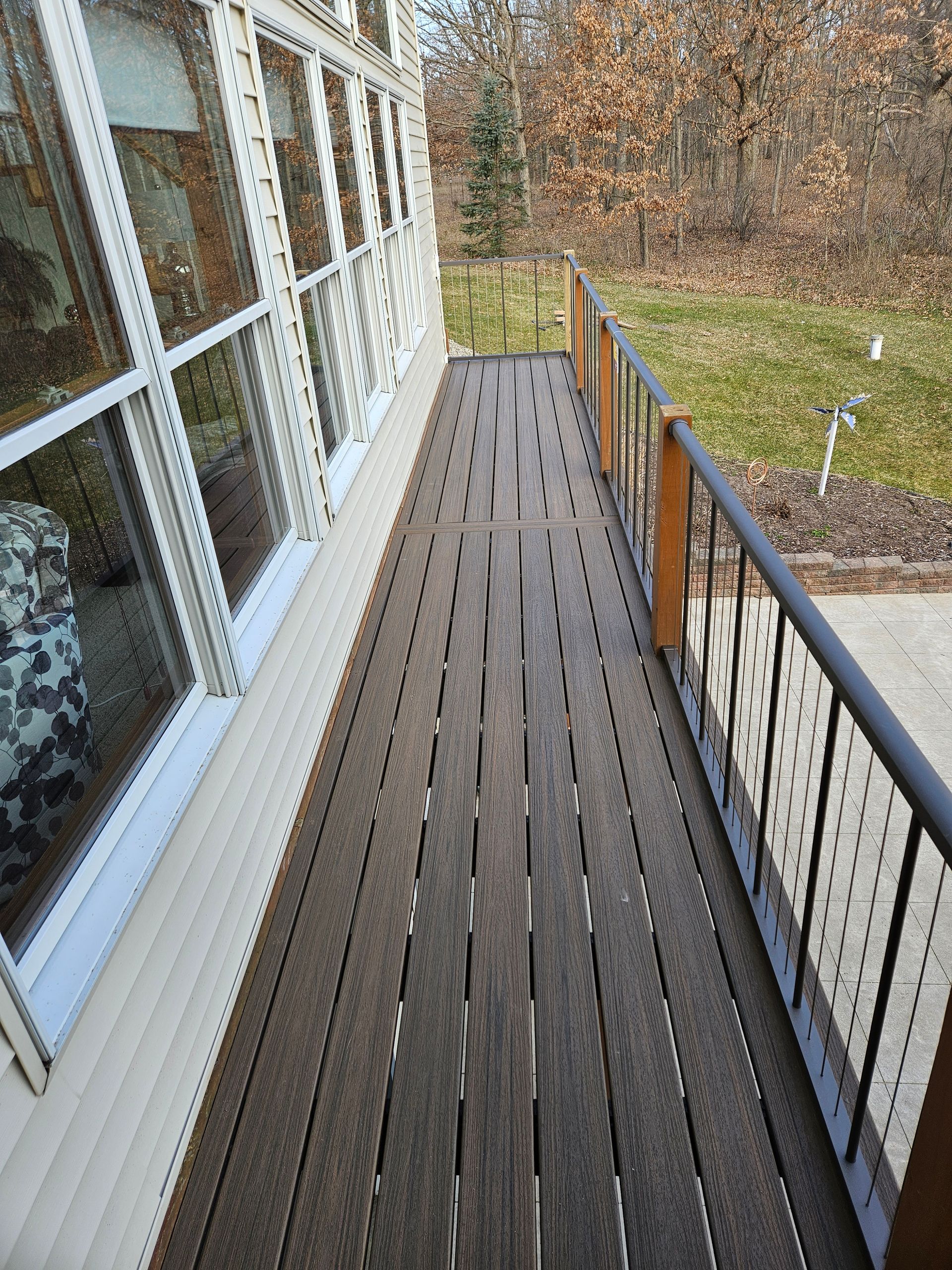
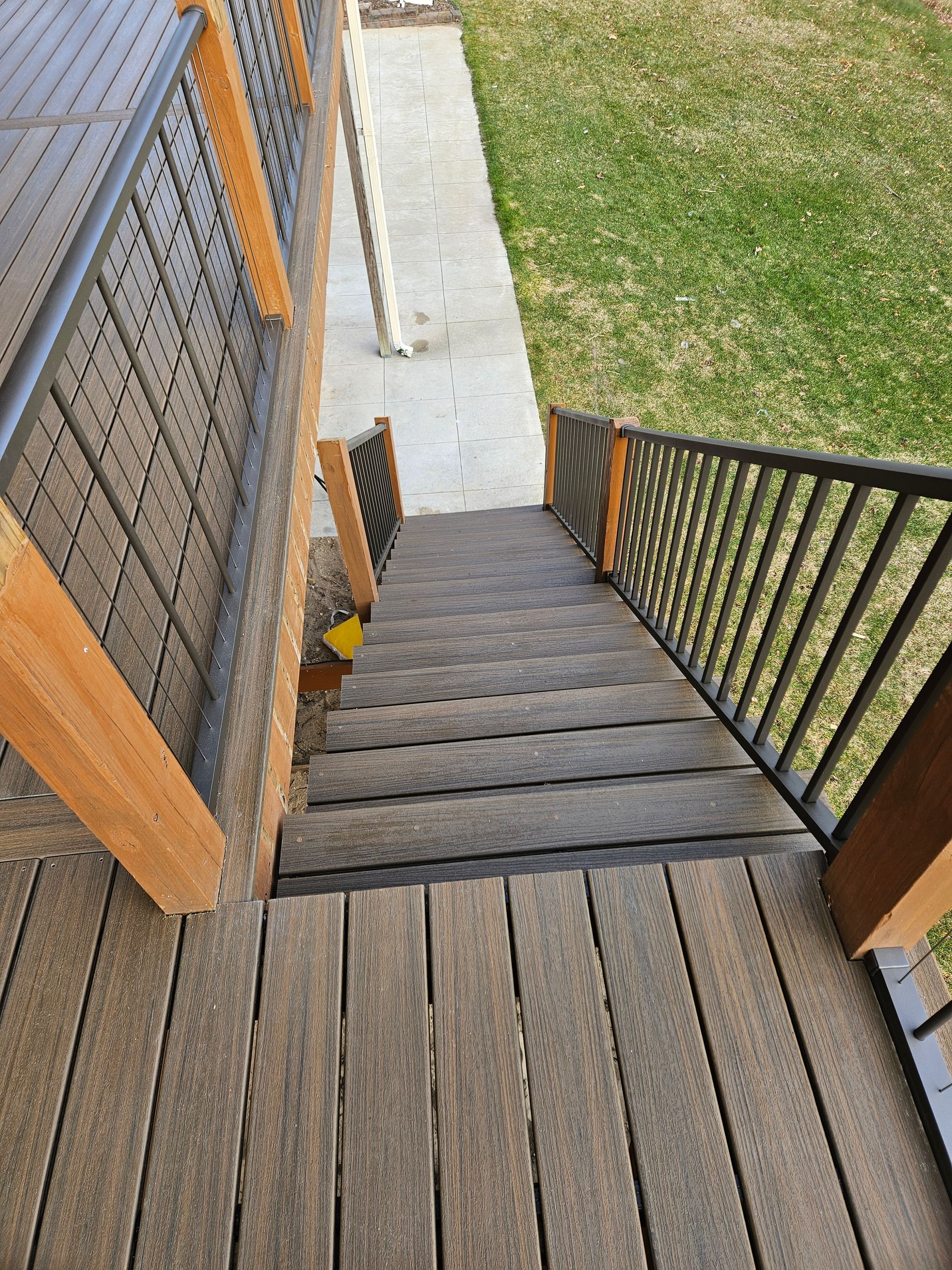
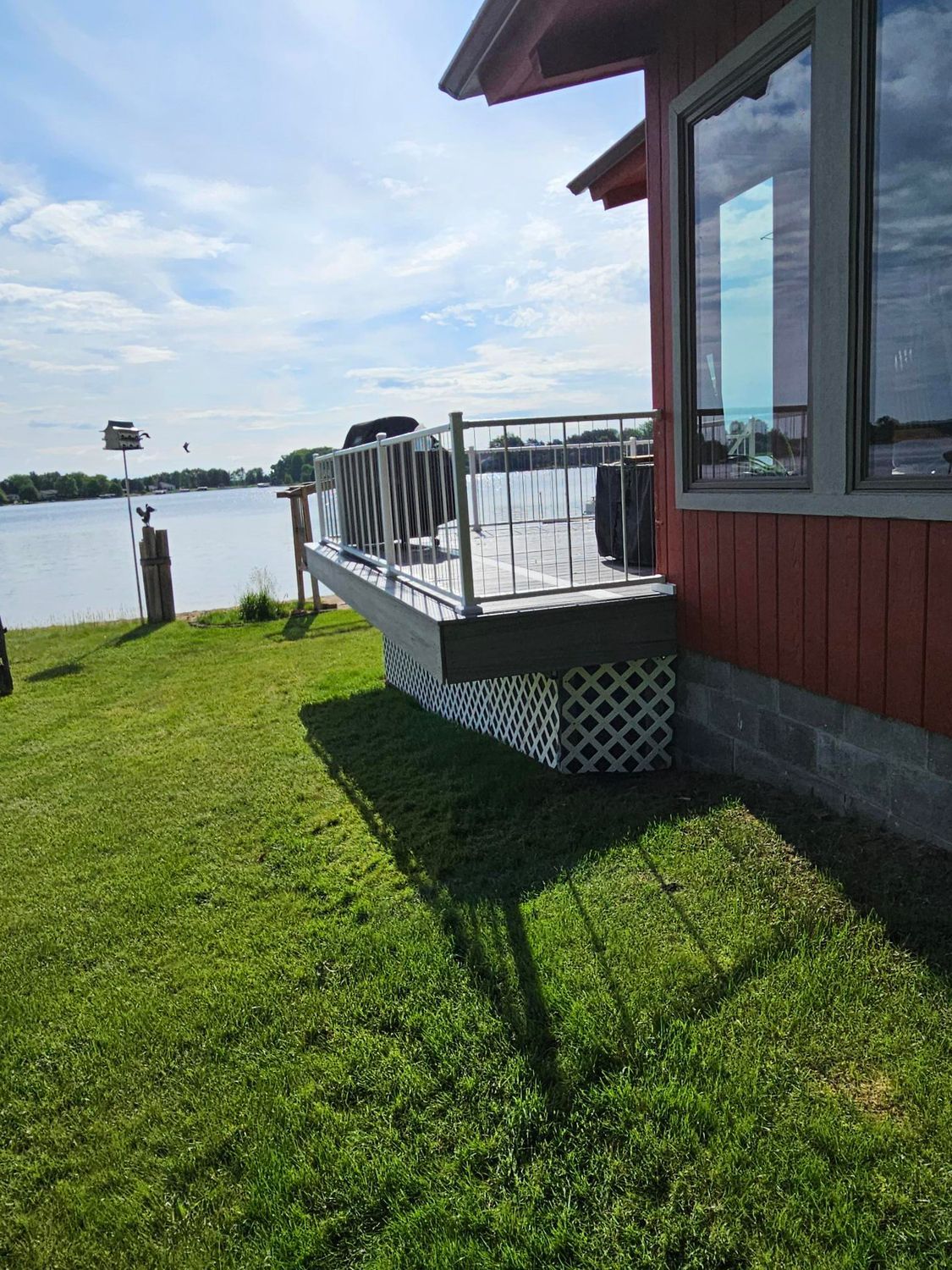
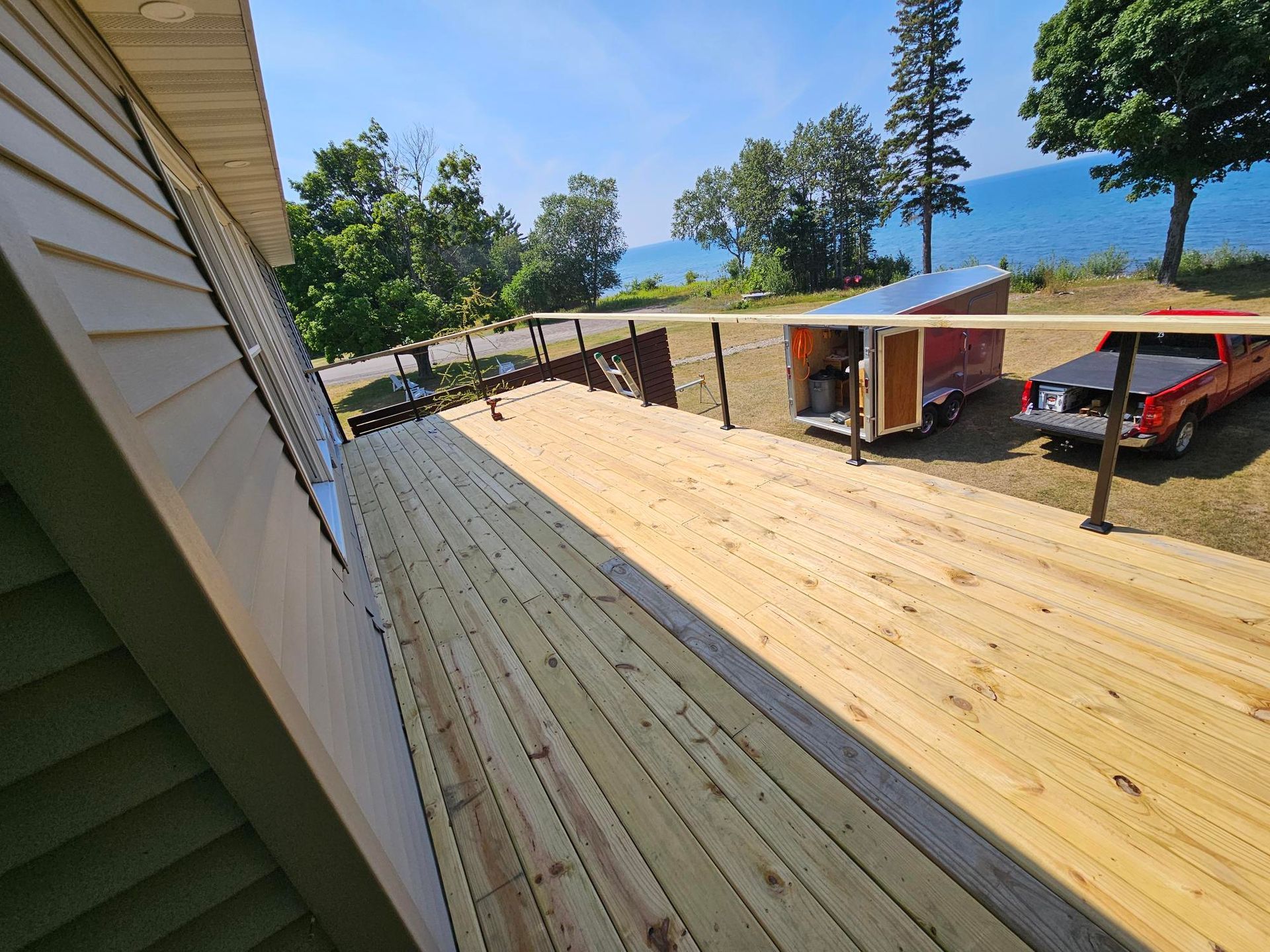
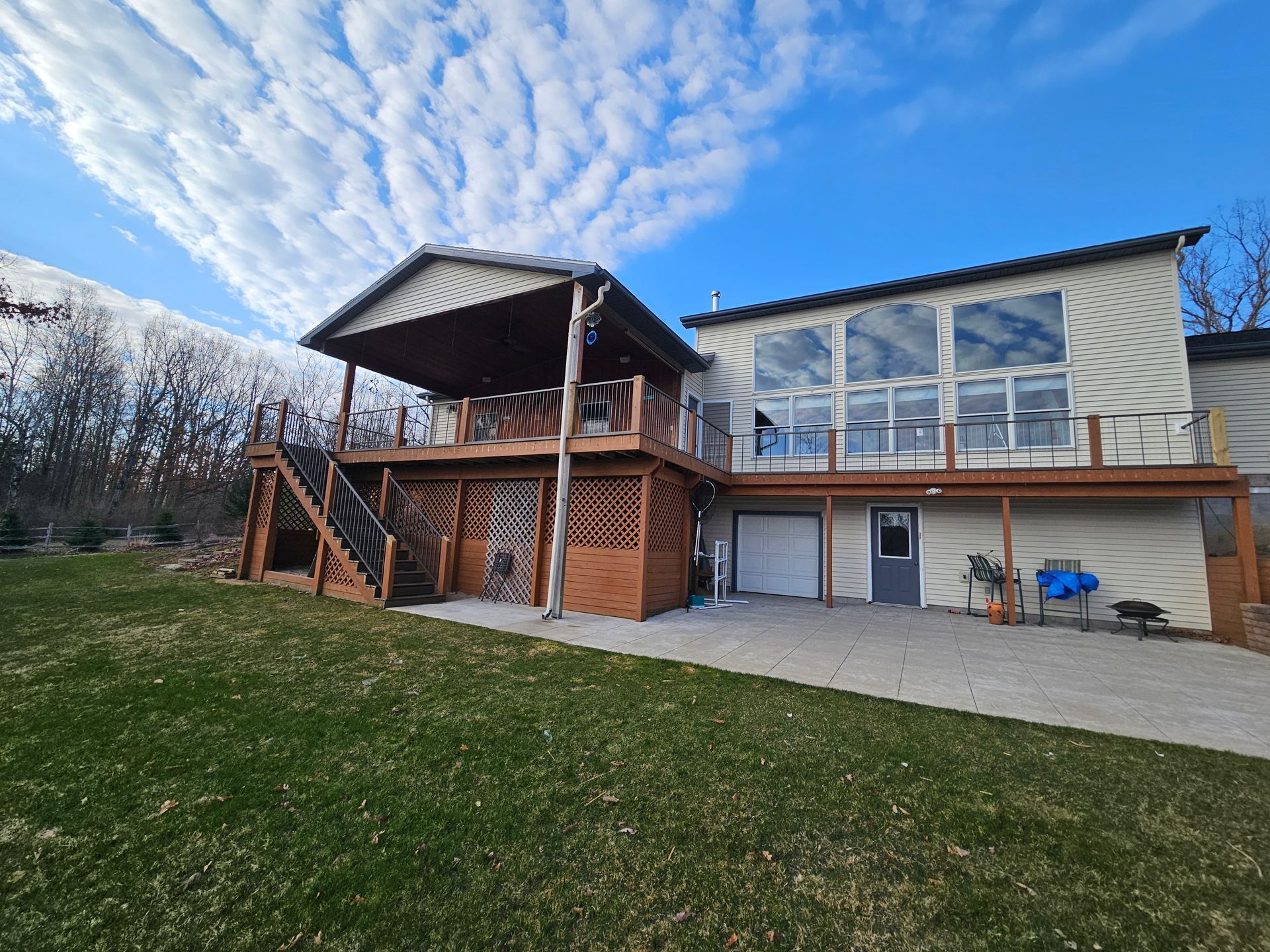
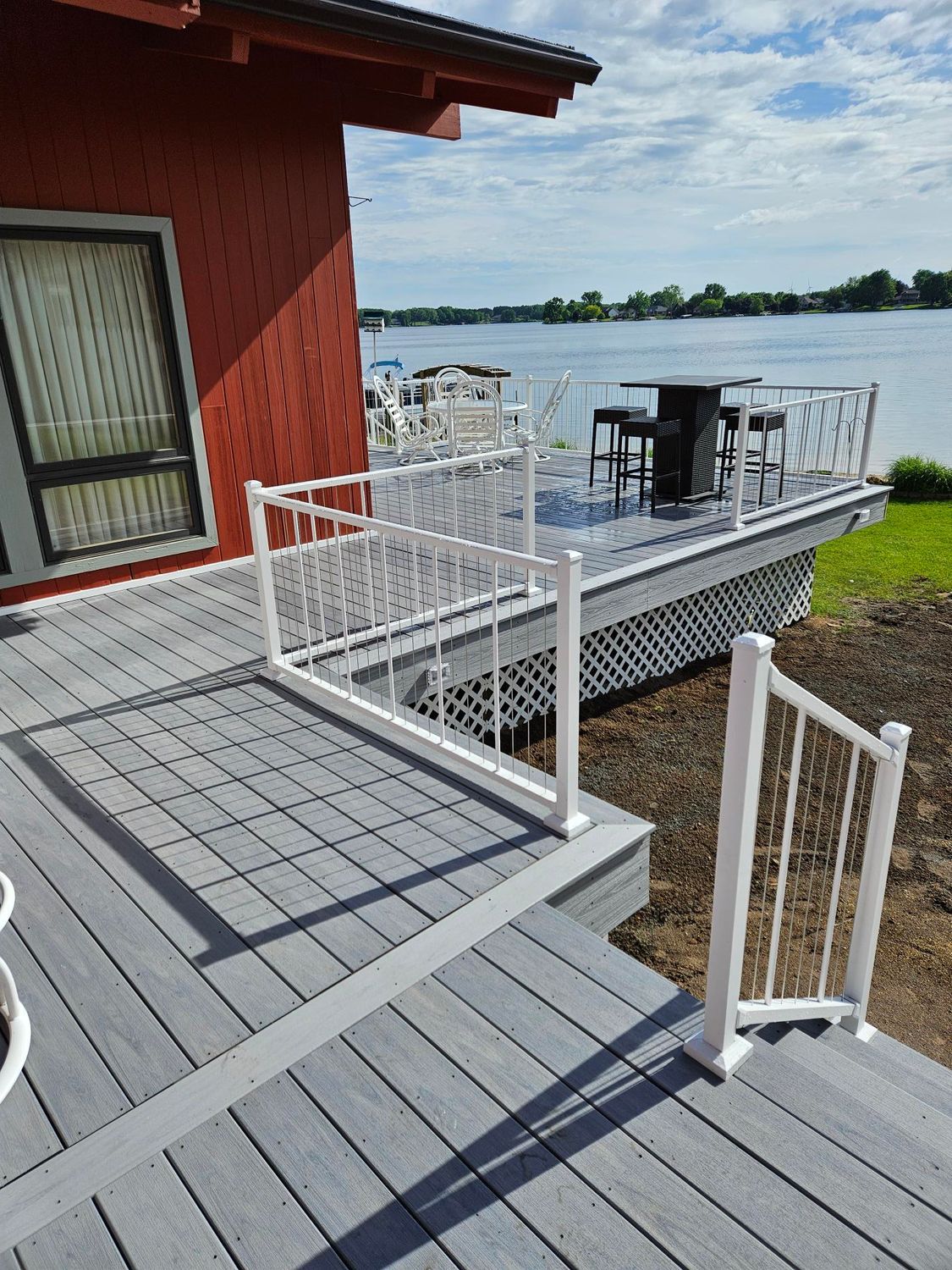
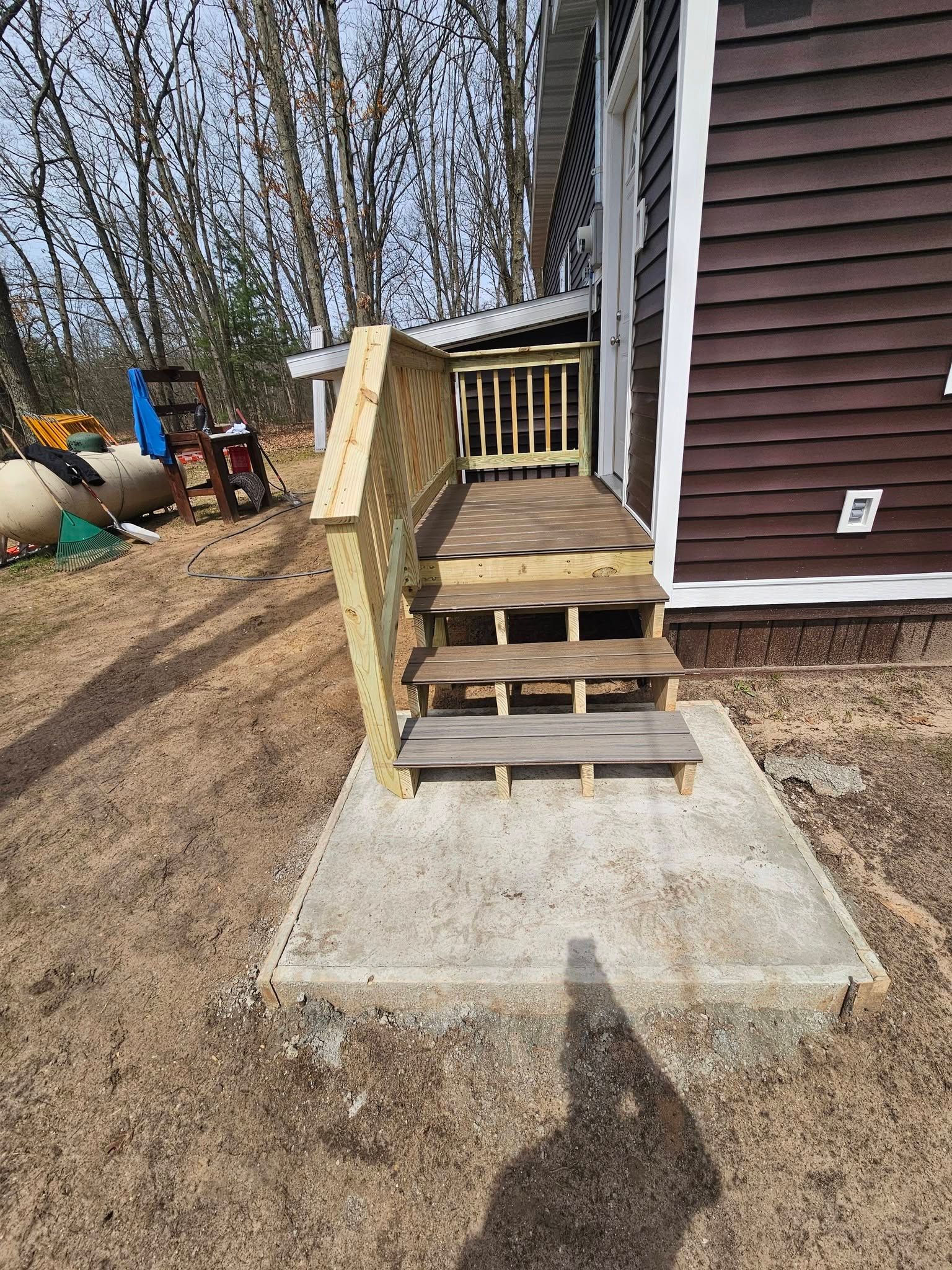
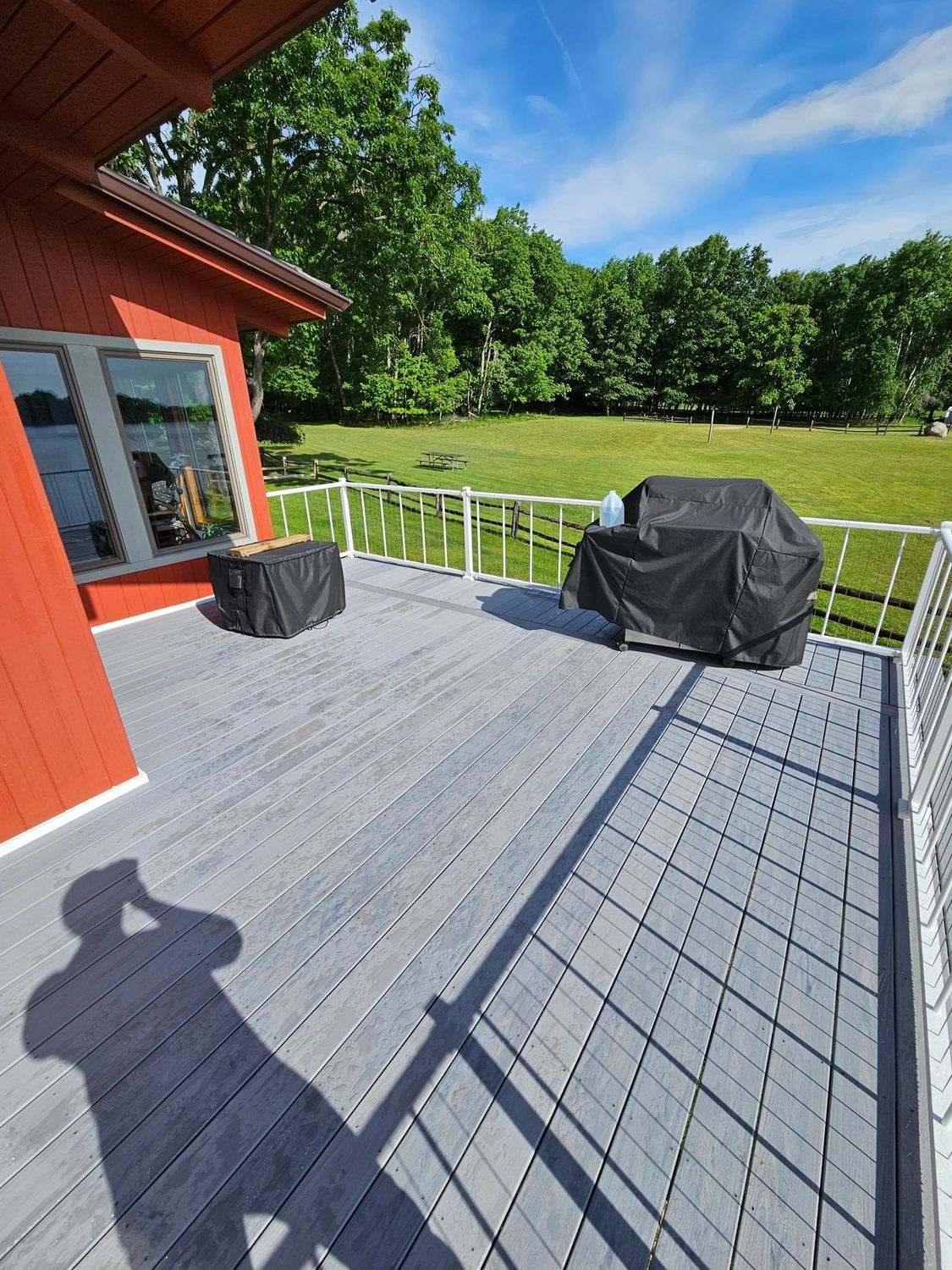
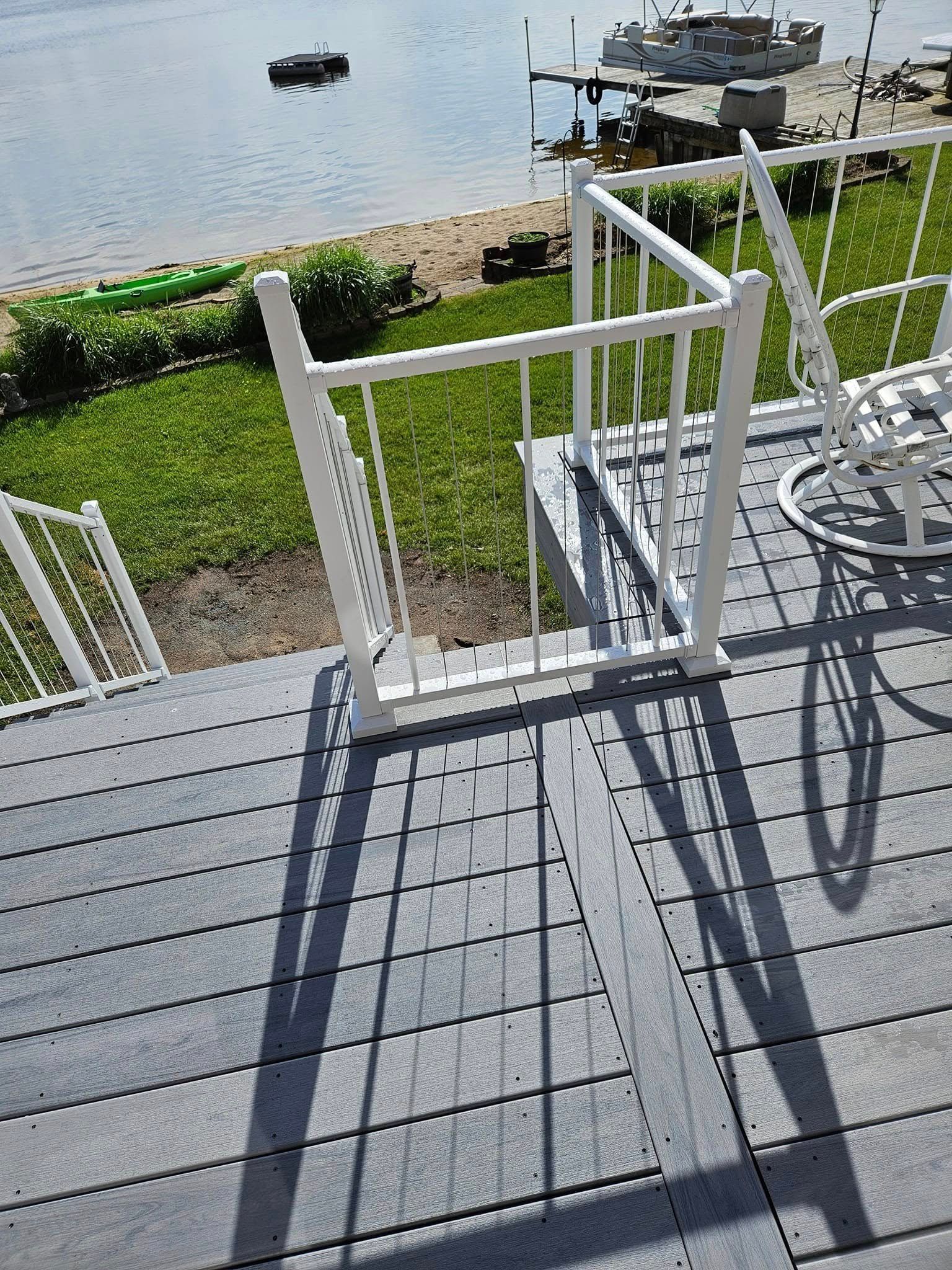
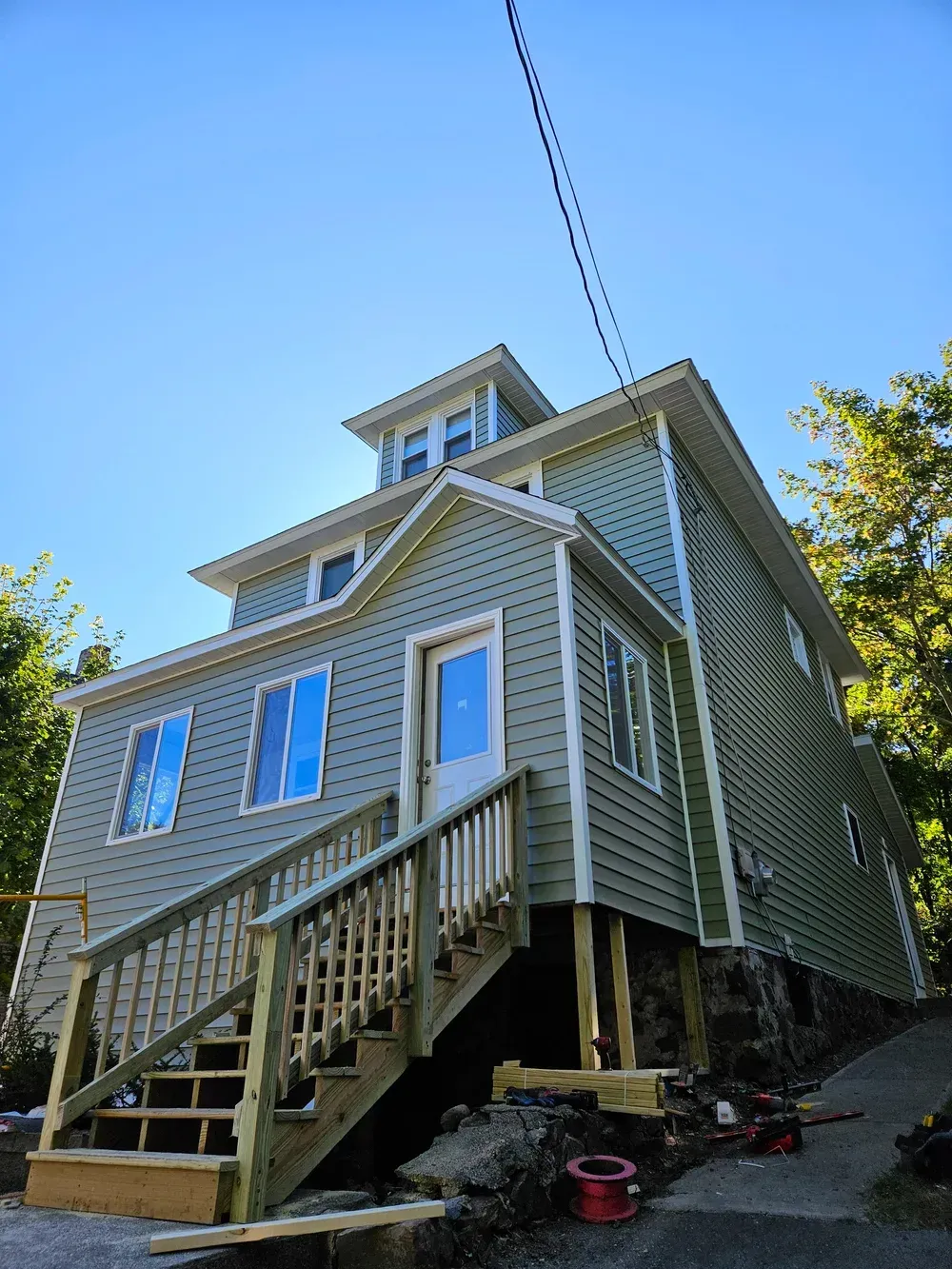
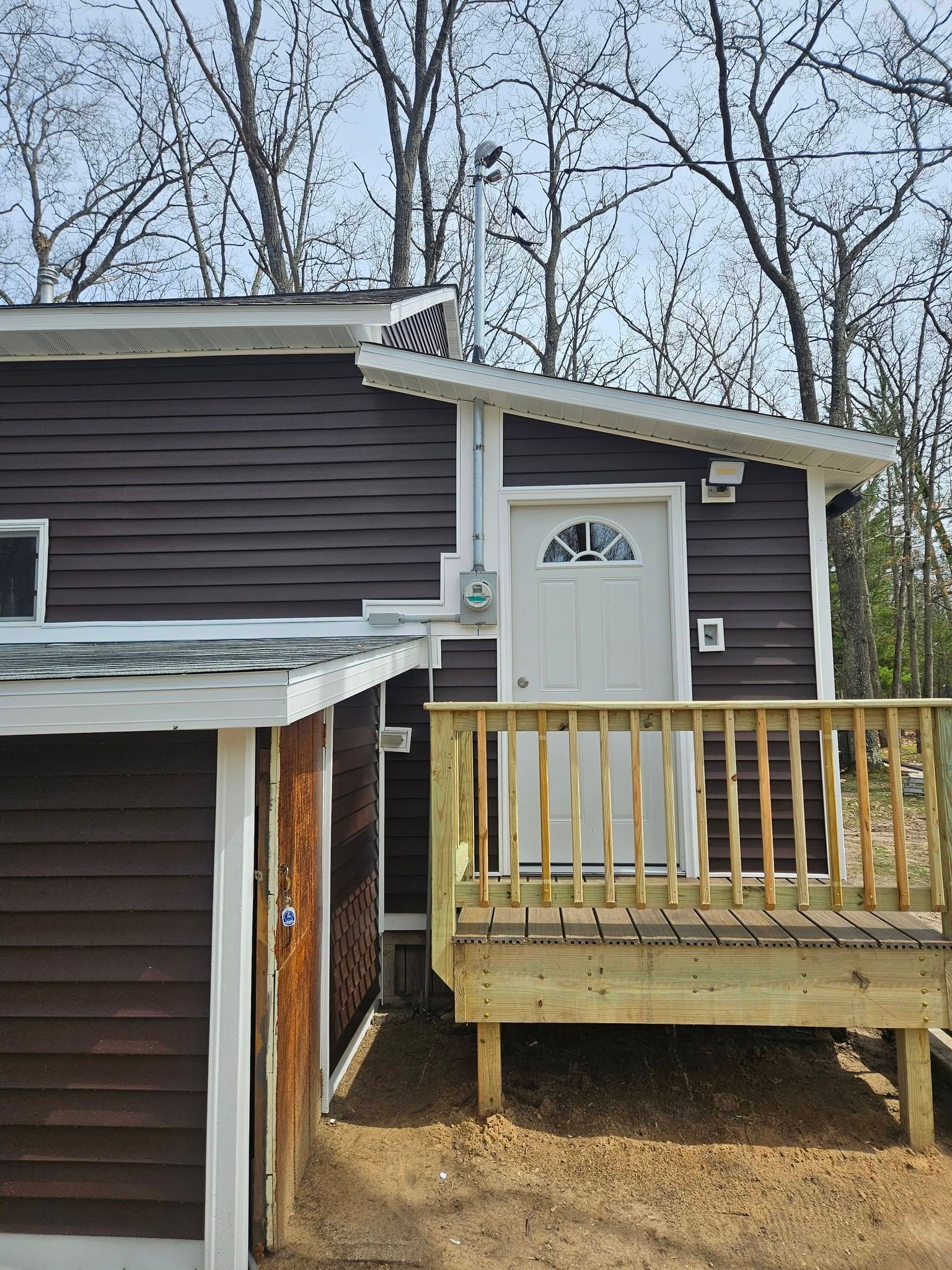
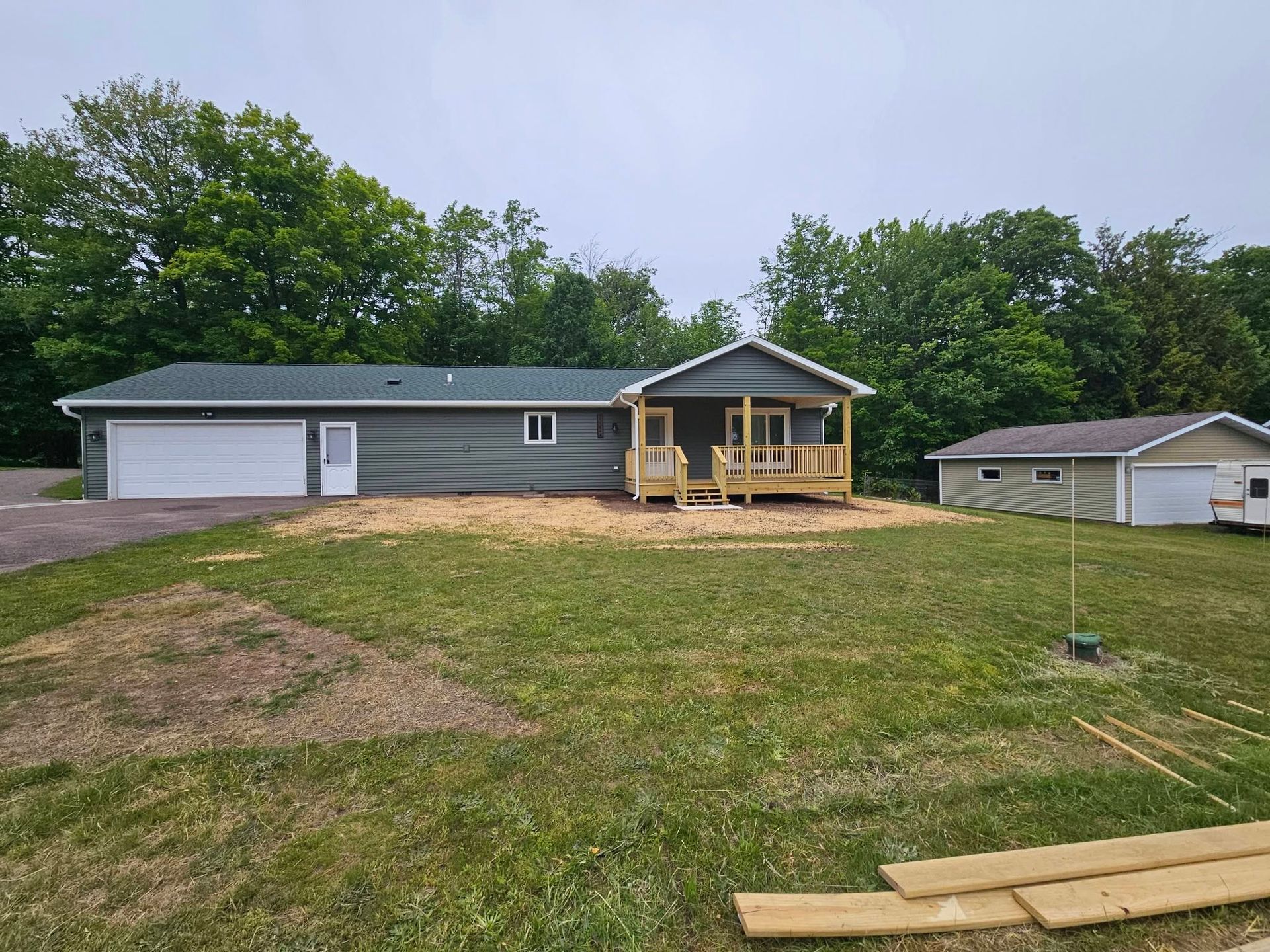
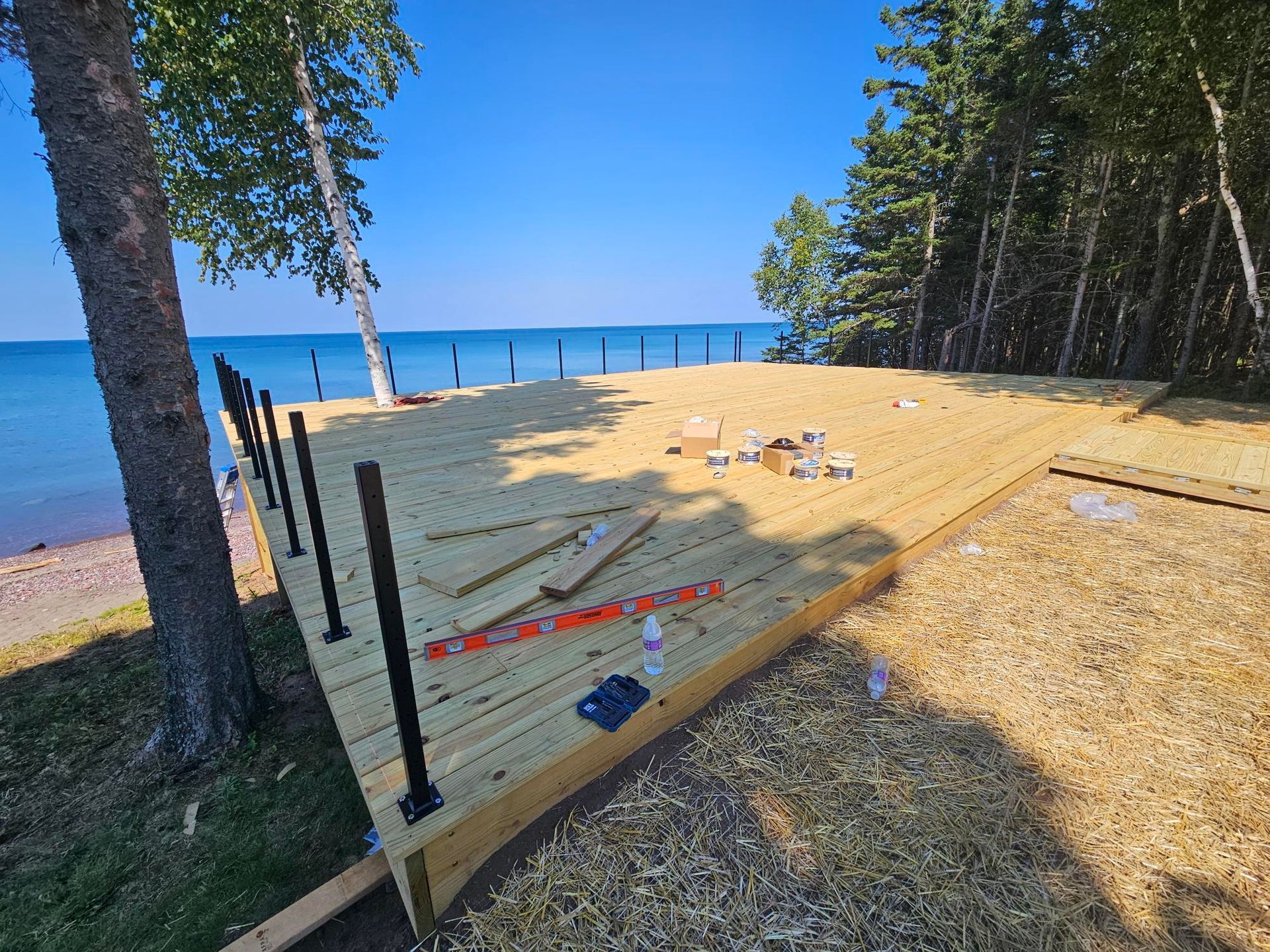
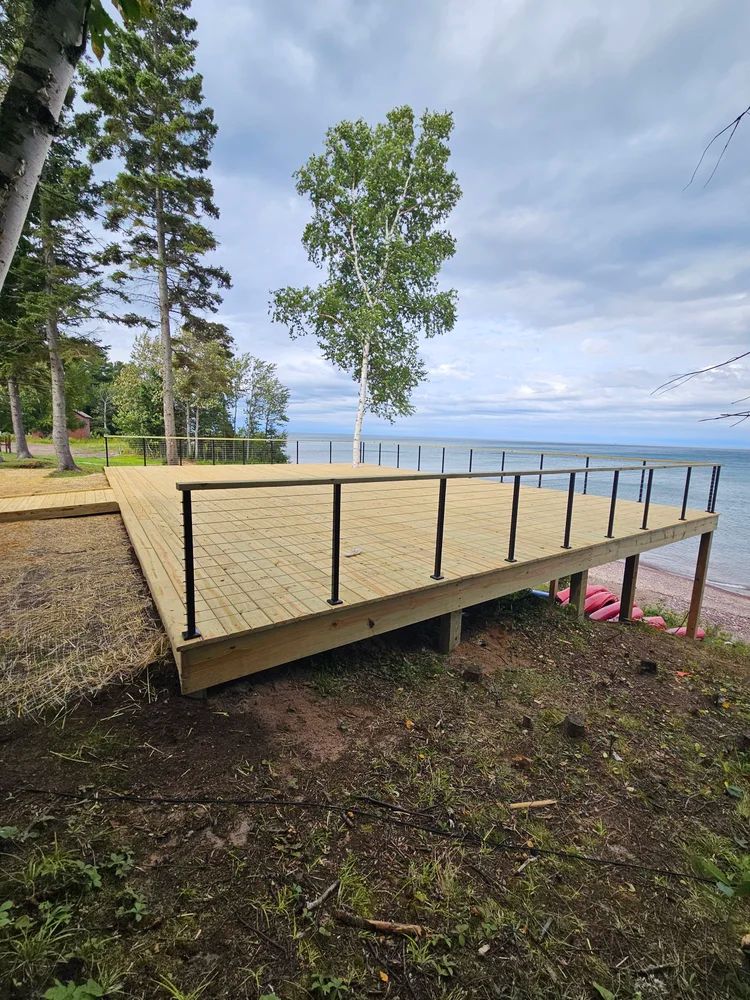
Upper Peninsula decks face snowpack that remains for months, rapid freeze-thaw cycles that crack inferior materials, and moisture exposure that rots untreated lumber within years if construction details fail. Pace Contracting builds decks using pressure-treated framing, composite decking options, and fastener systems designed to maintain structural integrity under the weight of wet, heavy snow and resist the expansion-contraction movement that loosens conventional screws. Railing systems include wood, vinyl, aluminum, steel, and cable options, each selected based on your maintenance preferences, visibility priorities, and how the deck integrates with your home's exterior.
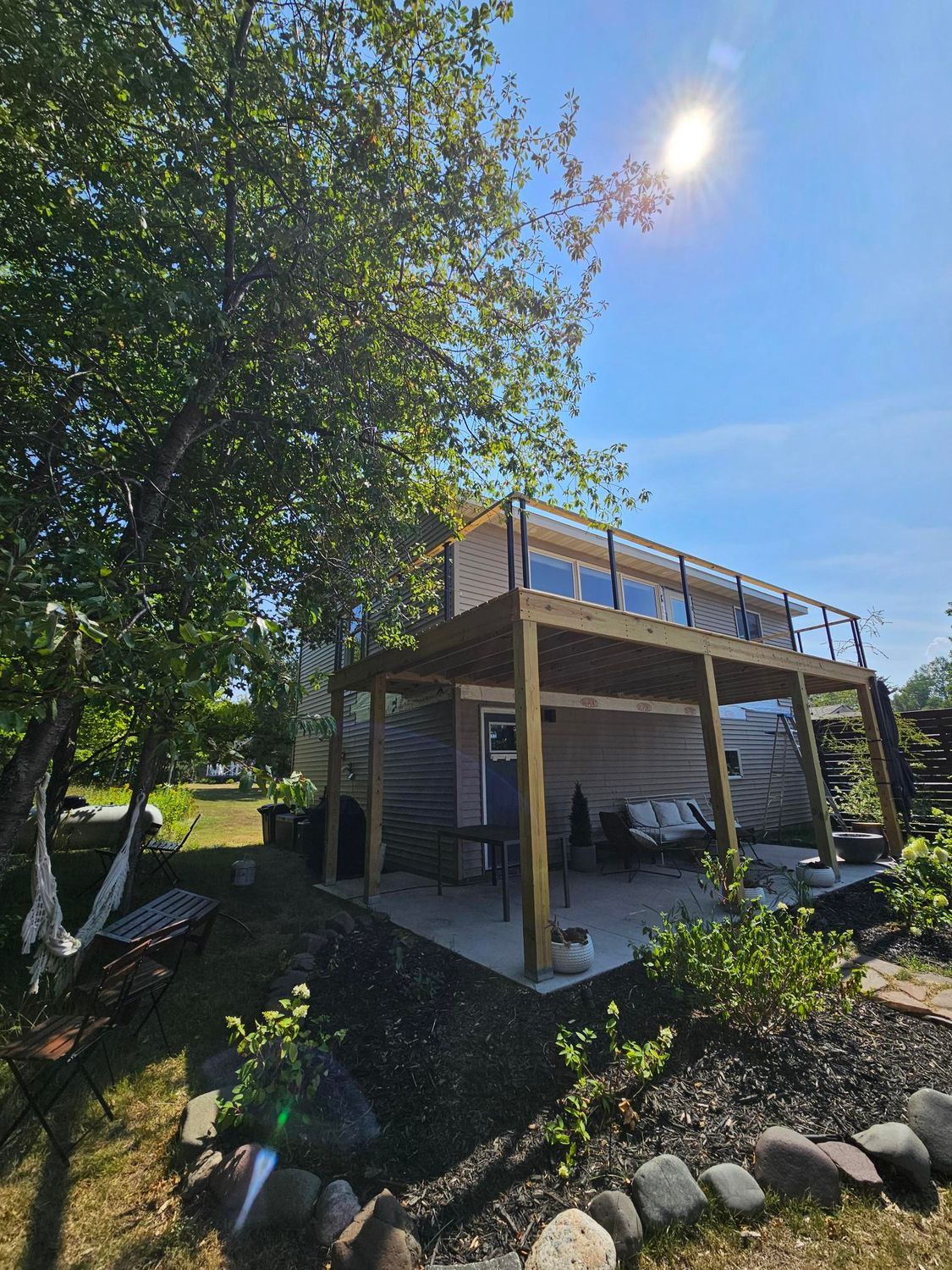
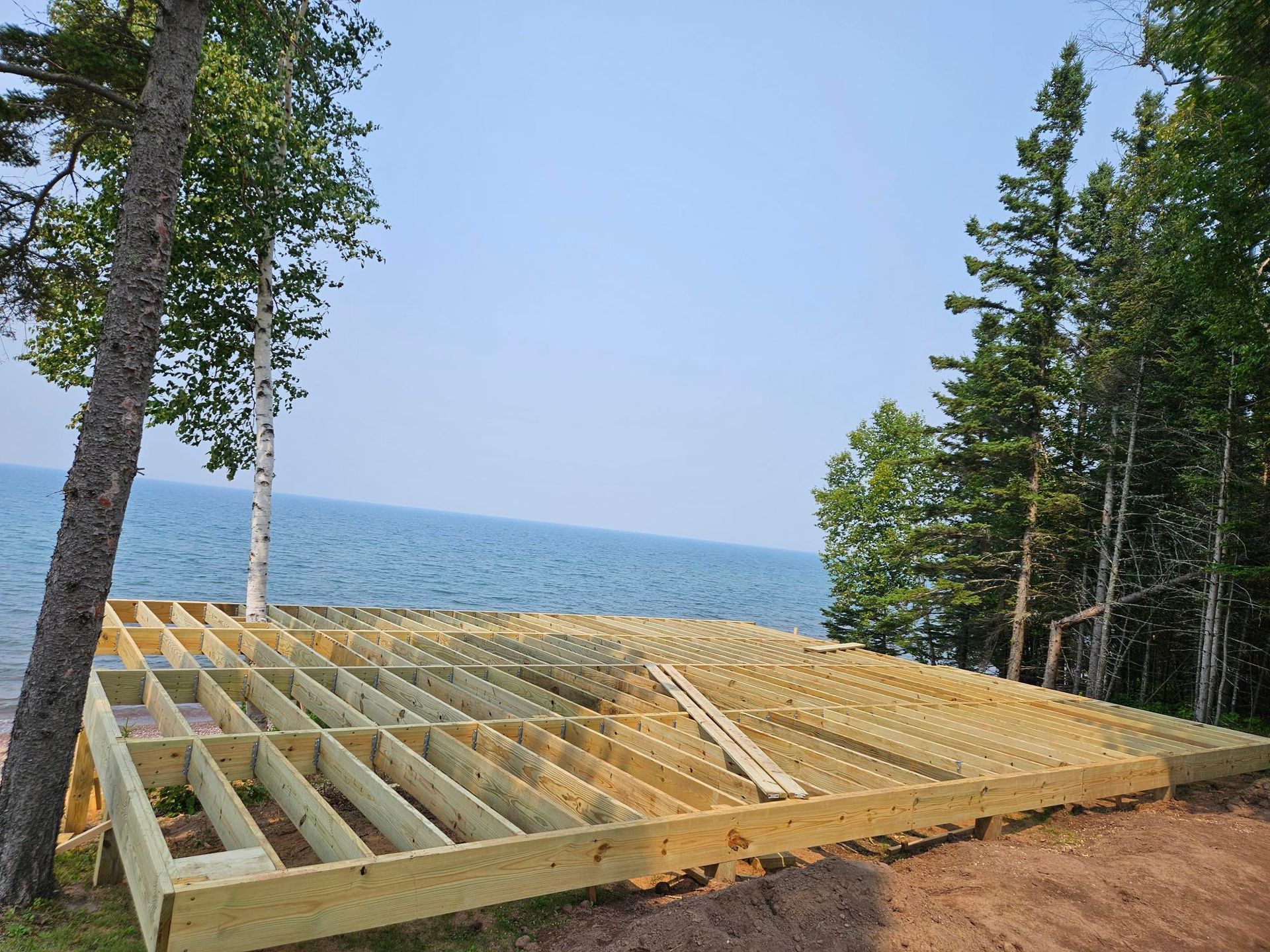
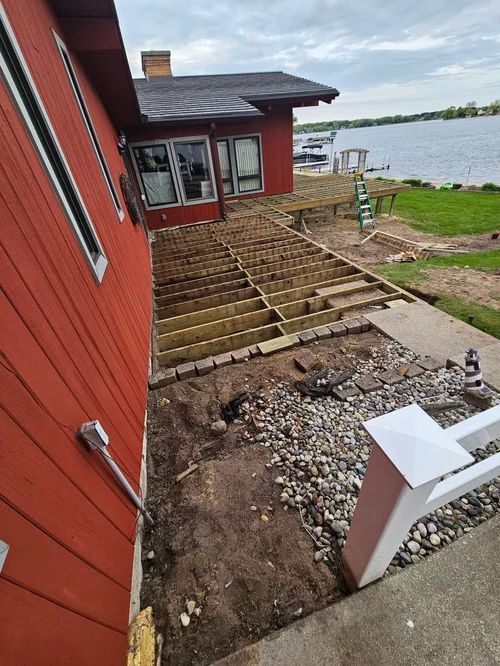
Custom deck construction accounts for proper joist spacing to prevent springy walking surfaces, ledger board attachment that prevents the most common structural failure, and post-to-beam connections engineered for lateral loads from snow sliding off upper roofs. Low-maintenance materials reduce annual sealing and refinishing work, while drainage details prevent water from pooling on horizontal surfaces where freeze-thaw damage accelerates.
Request a free deck estimate to review design options, material comparisons, and site-specific considerations for your property.
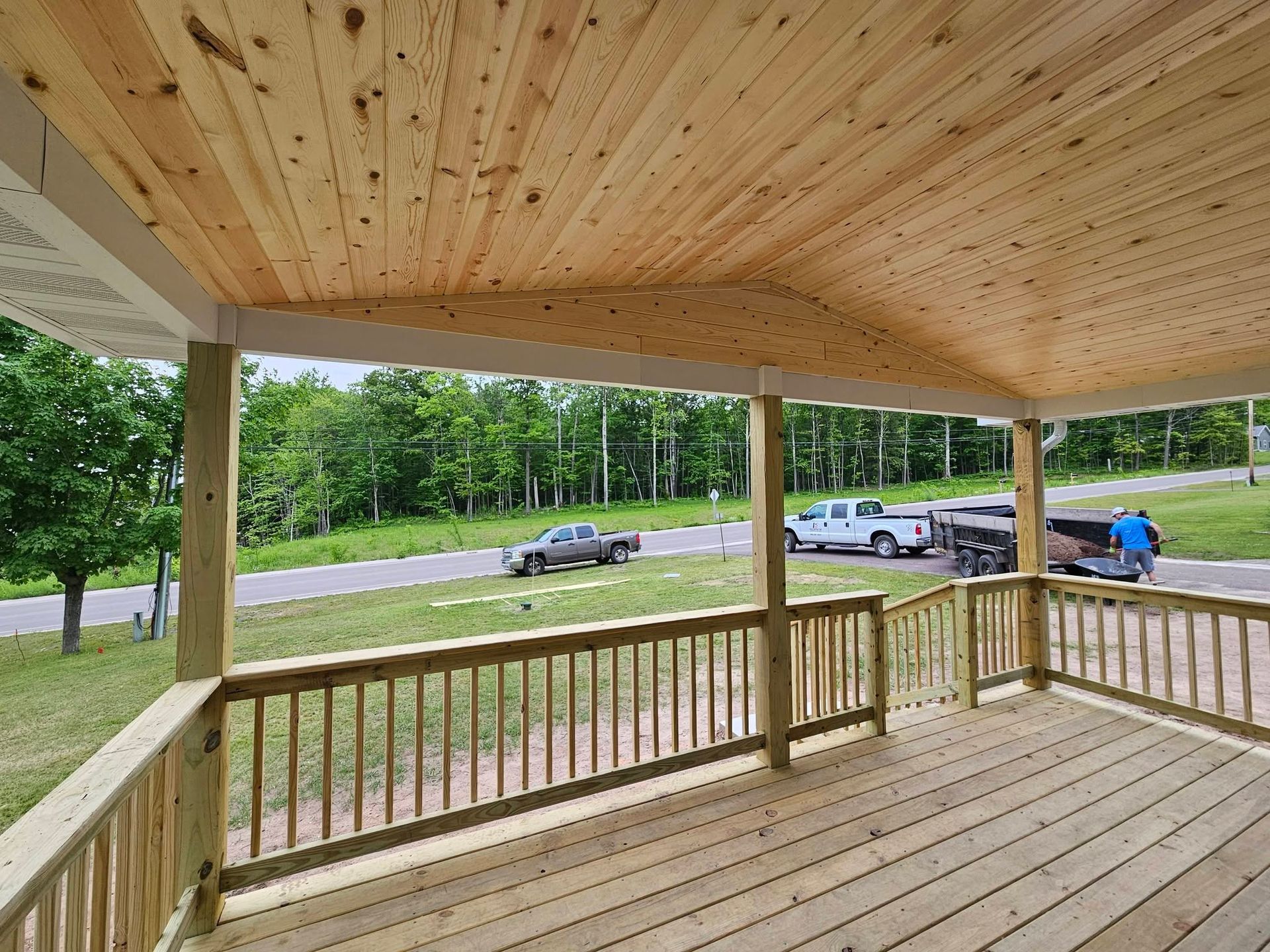
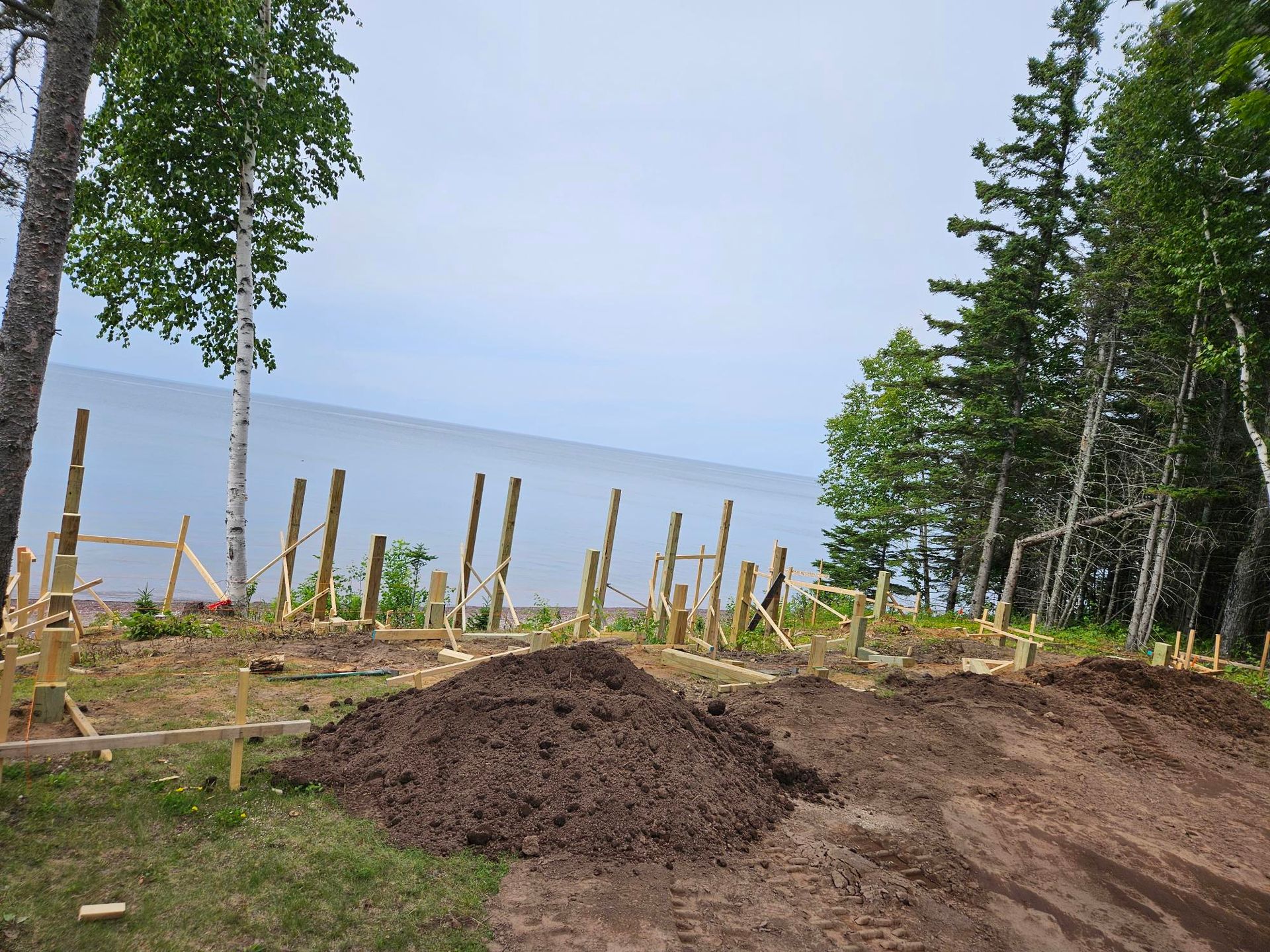
Properly built decks in Michigan's heavy snow regions use joists spaced at 12 or 16 inches on center depending on decking material span ratings, posts set below frost line in concrete footings, and flashing installed where the ledger attaches to prevent water from migrating into rim joists and floor systems. Composite decking eliminates the splintering, warping, and UV degradation common to untreated wood, while pressure-treated framing resists rot and insect damage even in ground-contact applications. Railing height, baluster spacing, and post anchoring meet code requirements for safety and structural performance.
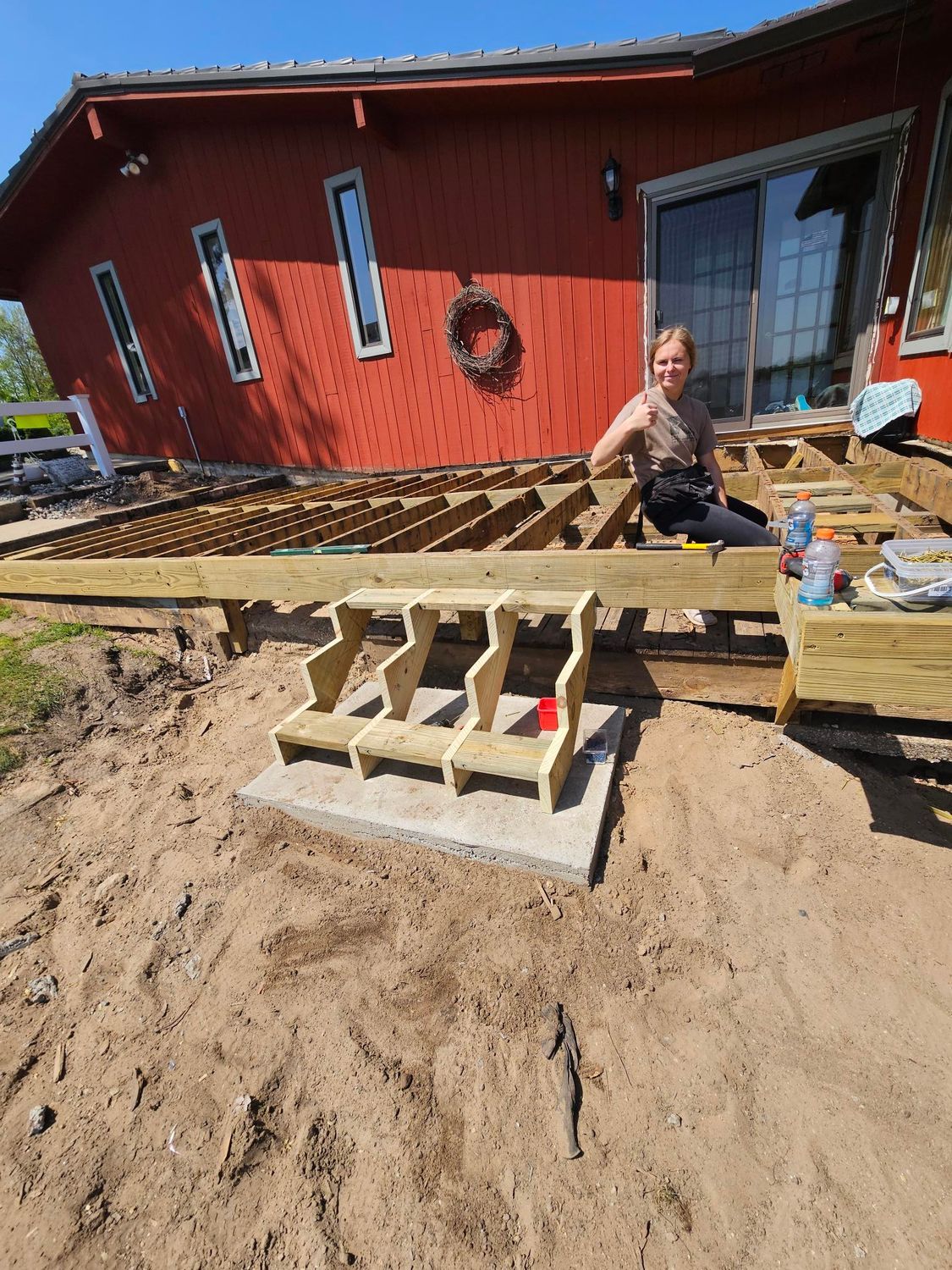
After construction finishes, you'll notice solid footing without bounce when walking across the deck surface, railings that remain rigid under hand pressure without wobbling, and stair treads that stay level and secure through seasonal ground movement. Water drains freely between deck boards rather than pooling, snow slides off composite surfaces more readily than rough-sawn lumber, and fasteners remain hidden for a clean appearance that won't snag clothing or bare feet.
The installation process includes site evaluation to determine proper elevation above grade for drainage and snow accumulation, material selection discussions that compare long-term costs between wood and composite options, and layout planning that positions stairs and access points for functional traffic flow. Repairs address rotted joists, failed ledger connections, and deteriorated decking before structural problems develop into safety hazards.
Answers to Frequent Service Questions
Homeowners planning deck projects ask about material performance, design options, and construction details that affect how the structure holds up through seasonal extremes.
What decking material works best for low maintenance?
Composite decking resists fading, splintering, and moisture absorption without annual sealing or staining, though it costs more upfront than pressure-treated lumber and expands slightly in heat, requiring proper gap spacing during installation.
How deep do deck footings need to extend in Chassell?
Footings must extend below the frost line, typically four feet deep in the Upper Peninsula, to prevent heaving as ground freezes and thaws throughout winter and spring.
Why do some deck railings fail after a few years?
Railing failures typically result from inadequate post anchoring to the deck frame, using fasteners that corrode in moisture exposure, or spacing posts too far apart for the railing material's load capacity.
When should I repair rather than replace an existing deck?
Repair makes sense when framing remains structurally sound with no rot in joists or beams, ledger attachment stays secure, and only surface decking or railing components show wear.
What railing options provide the best lake views?
Cable railing systems use thin horizontal wires between posts to maintain sightlines while meeting code requirements for child safety, though they require periodic tensioning to prevent sagging.
Pace Contracting designs and builds decks throughout Chassell, Hancock, Houghton, Calumet, Atlantic Mine, and Twin Lakes using materials and construction methods that address heavy snow loads and continuous moisture exposure. Schedule a free consultation to discuss your deck project and material preferences.